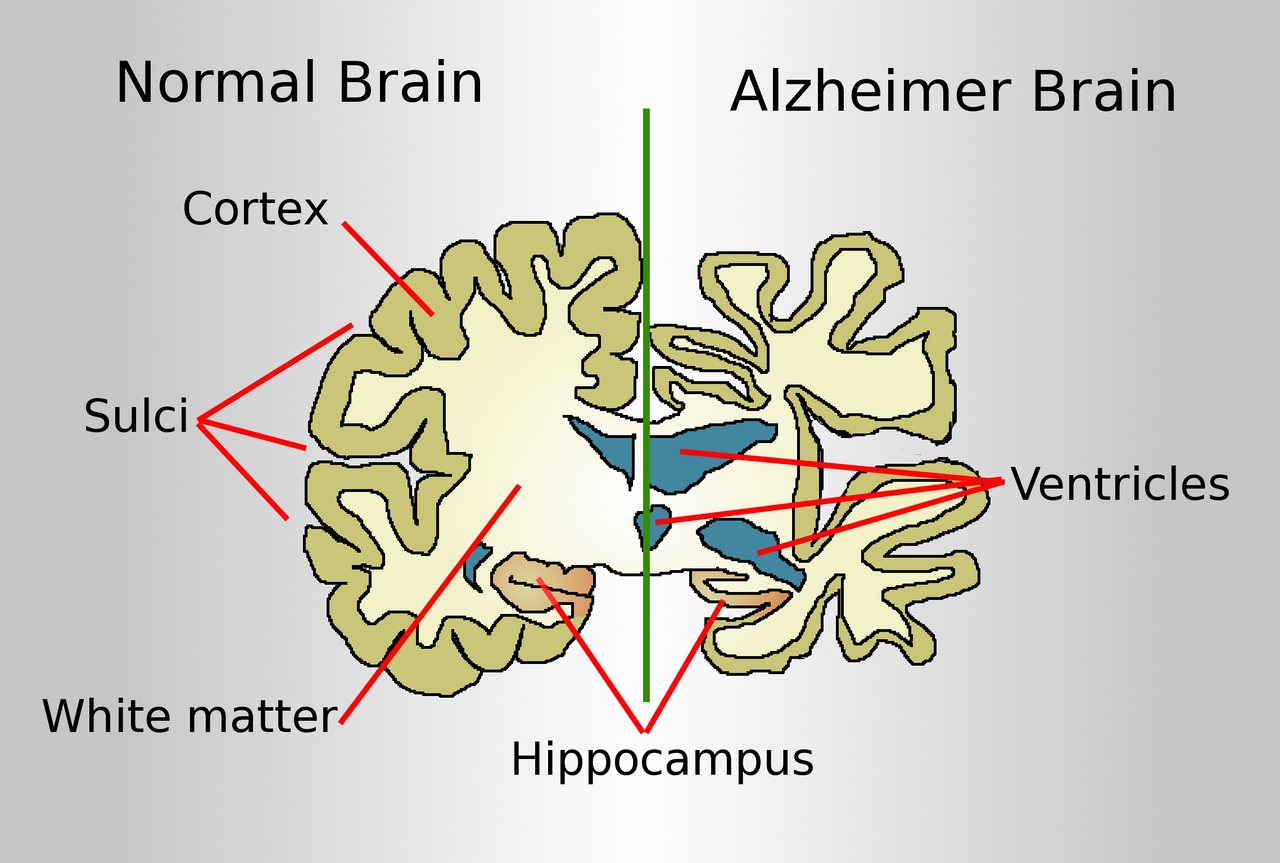
Scientists have uncovered a previously underexplored dimension of Alzheimer's disease: the three-dimensional organization of DNA inside brain cells is disrupted in several cell types affected by the condition, altering how critical genes are switched on and off. The finding points to a new layer of the disease that could reshape how researchers understand its origins and eventually approach treatment.
Rather than focusing solely on the protein plaques and tangles that have long defined Alzheimer's research, the work examines how DNA is physically arranged within the nucleus. That architecture helps determine which genes are accessible and active. When the structure is disturbed, gene regulation can go awry — a mechanism the researchers say appears in multiple brain cell populations vulnerable to the disease.
The discovery does not immediately produce a therapy, but it broadens the set of biological processes that scientists can investigate. If disrupted DNA organization contributes to Alzheimer's, then restoring or compensating for that organization could become a future therapeutic strategy. It also suggests that some existing observations about gene activity in Alzheimer's brains may need to be reinterpreted through the lens of physical genome structure.
Alzheimer's remains one of the most difficult conditions in medicine, with no cure and limited options for slowing its progression. Much of the field's effort has concentrated on amyloid and tau proteins, the buildup of which is a hallmark of the disease. The new findings do not overturn that work, but they add a distinct layer that operates inside the cell's control center.
Because the disruption appears across several types of brain cells affected by Alzheimer's, the results hint at a shared vulnerability rather than an isolated effect in one cell population. That pattern could help explain why the disease damages multiple brain functions and why treatments targeting a single pathway have often fallen short.
The research also underscores how advances in genomics and imaging are opening questions that were difficult to ask even a decade ago. Mapping how DNA folds and loops within the nucleus is now feasible at a scale that can be applied to diseased tissue, giving scientists a new way to compare healthy and Alzheimer's-affected brains.
For patients and families, the immediate implications are indirect: the study is a step toward understanding, not a treatment. But it adds to a growing body of evidence that Alzheimer's involves changes beyond the classic protein pathology, including shifts in how genetic information is managed.
Scientists involved in the work describe the finding as a previously underexplored layer of the disease. Further studies will be needed to determine whether the disrupted DNA organization is a cause, a consequence, or a contributing factor — and whether it can be targeted safely. Even so, the discovery gives researchers a new set of questions and a new place to look inside the cells that Alzheimer's attacks.