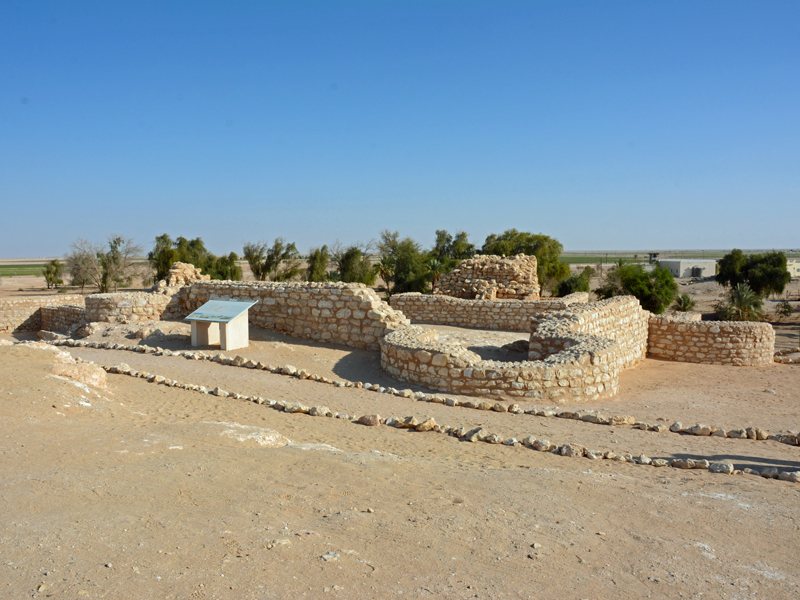
Archaeologists from Oman's Department of Heritage and Tourism have excavated burial chambers containing human remains and pottery in northwestern Oman. The graves have been dated to the third millennium B.C. and attributed to the Jemdet Nasr civilization of Mesopotamia, a finding that points to contact between southeastern Arabia and the urban societies of ancient Iraq.
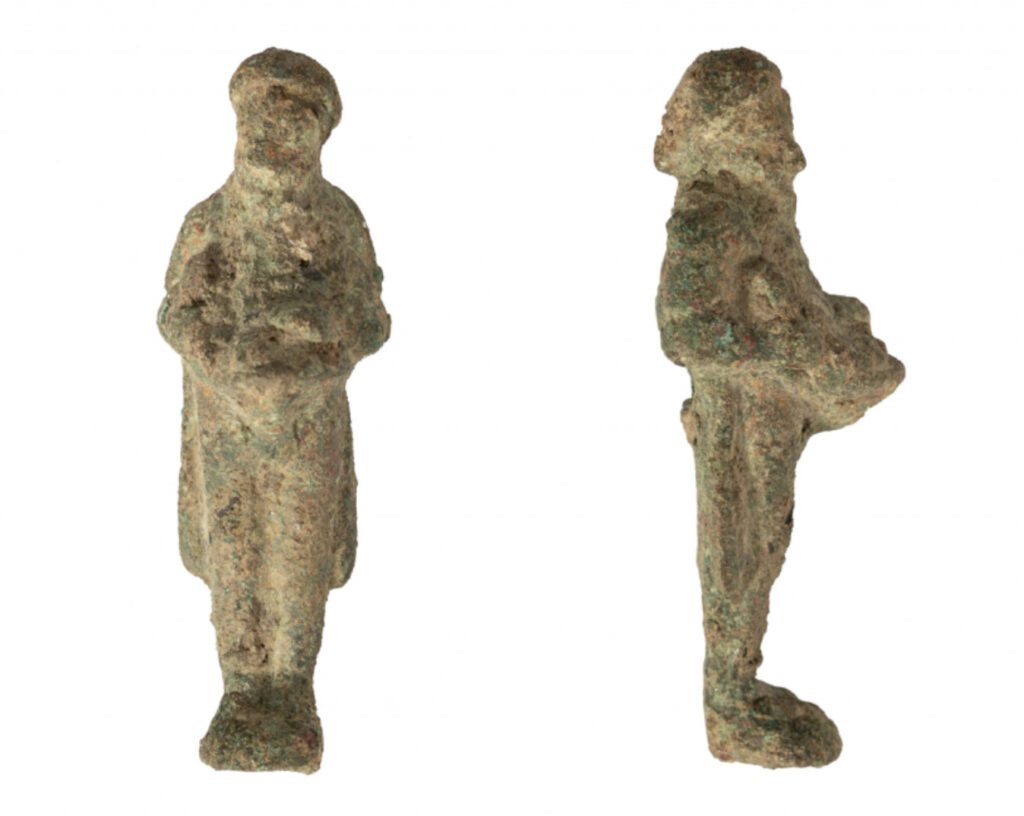
Walid bin Hamad al Ghafri of the Department of Heritage and Tourism said the excavation yielded many beads, along with bronze arrowheads, axes, and daggers. The metal objects offer a tangible view of the tools and weapons used by the people buried at the site roughly 5,000 years ago.
The discovery also highlights the vulnerability of the region's archaeological record. Al Ghafri warned that sites across the area are at risk of destruction as rapid urban development expands, making documentation and excavation before construction an urgent priority for heritage authorities.
The Oman Observer first reported the excavation. Readers interested in how communities lived in the Omani desert during the same period can consult the Archaeology Magazine feature "Oasis Makers of Arabia."
11