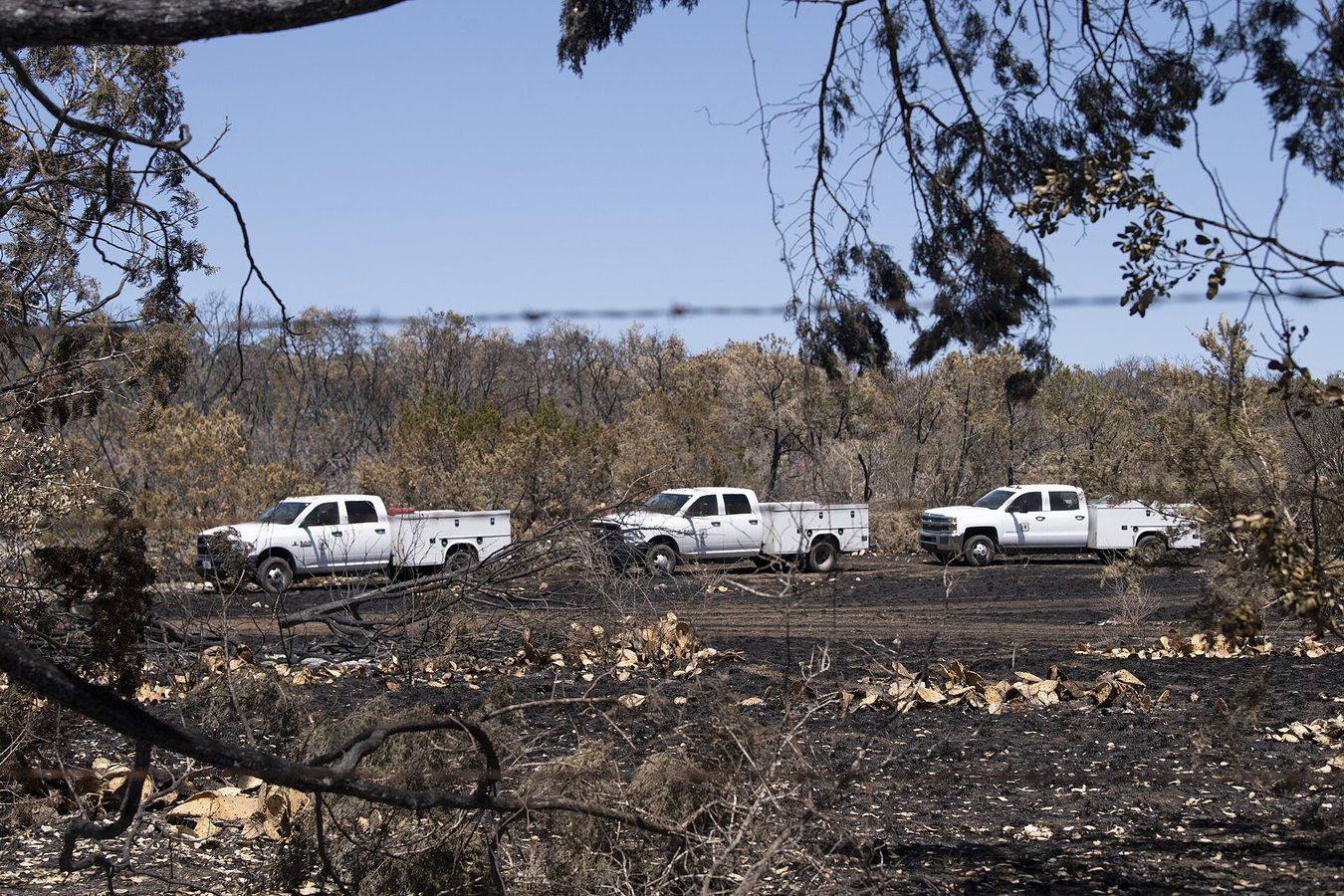
Summer wildfires inflict damage far beyond the charred landscapes visible in news reports, according to researchers at Bangor University who warn that the hidden ecological toll may be catastrophic and long-lasting. The scientists say the true scale of destruction extends deep into soil, water systems, and wildlife habitats, with consequences that could persist for decades after the flames are extinguished.
While immediate images of wildfires typically focus on burned trees and blackened ground, the research highlights a range of less visible impacts. Intense heat can sterilize soils, destroying the microbial communities that underpin nutrient cycling and plant regrowth. Without these organisms, recovery of vegetation is slowed or prevented entirely, leaving slopes vulnerable to erosion. Ash and debris washed into rivers and reservoirs can contaminate water supplies, harming aquatic life and threatening drinking water quality for communities downstream.
The Bangor University team emphasizes that these hidden effects are not isolated to remote wilderness. Wildfires increasingly encroach on areas near human settlements, where the loss of vegetation stability can trigger landslides and flash flooding long after the fire is out. The economic costs of such secondary damage—including water treatment, infrastructure repair, and agricultural losses—often dwarf the immediate firefighting expenses, yet they receive far less attention in public debate and budget planning.
Wildlife faces compounding threats. While mobile species may escape the flames, slow-moving animals, insects, and soil-dwelling organisms are often killed outright. Surviving populations then confront a barren landscape with little food or shelter, leading to delayed mortality and local extinctions. The researchers note that repeated fires in the same area can permanently alter ecosystems, shifting forests to shrublands or grasslands and reducing biodiversity for generations.
The warning comes amid growing concern that climate change is intensifying fire seasons worldwide, with hotter, drier conditions making extreme fires more frequent and severe. In this context, the Bangor University findings suggest that current assessments of wildfire impact—typically based on satellite imagery of burn scars—grossly underestimate the full environmental and societal costs. The scientists call for a more comprehensive approach to post-fire monitoring and recovery, one that accounts for belowground processes, water quality, and long-term ecological trajectories.
They also stress the need for improved land management strategies that reduce fire risk and enhance ecosystem resilience. This includes controlled burns, reforestation with fire-resistant species, and protecting vulnerable watersheds. Without such measures, the hidden damage from each fire season will accumulate, eroding the natural systems that communities rely on for clean water, fertile soil, and stable landscapes.
The researchers urge policymakers and the public to look beyond the immediate spectacle of flames and recognize that the most dangerous consequences of wildfires may unfold silently, over years and decades, far from the headlines. Understanding and addressing these hidden impacts, they argue, is essential for building effective climate adaptation and disaster response plans.