The US Environmental Protection Agency is preparing to formally repeal carbon pollution standards for coal- and gas-fired power plants, according to reports, in the Trump administration's latest rollback of federal climate rules. The final rule is expected as soon as Monday, timed to the G20 energy ministers' meeting in Houston, Texas.
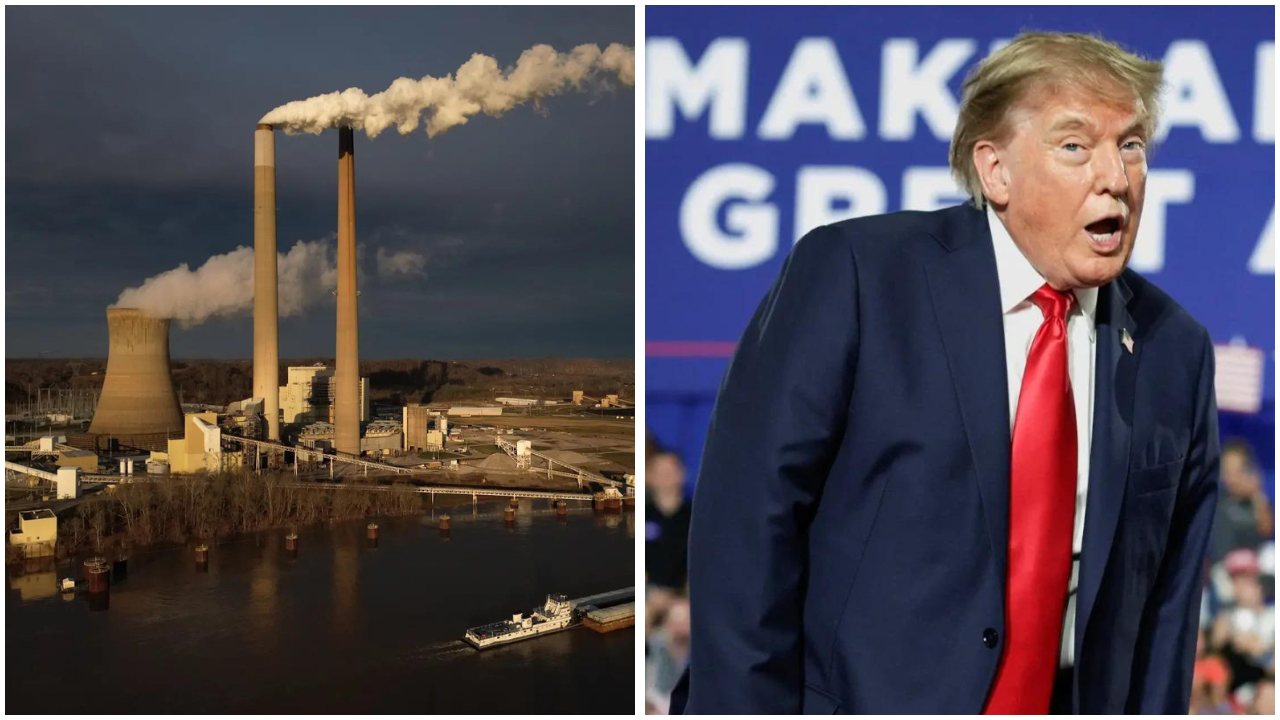
The repeal would eliminate Biden-era emission limits that restricted greenhouse gas pollution from the power sector, one of the largest sources of carbon emissions in the United States. The EPA is expected to announce the final rule shortly, completing a process that has drawn opposition from environmental groups and is likely to face legal challenges.
Advocates and experts have described the administration's climate rollbacks as gifts to polluters at the expense of the planet. Environmental organizations argue that removing the standards endangers public health and safety, citing the link between power plant emissions and air quality, respiratory illness, and climate change. They are expected to contest the repeal in court.
The standards were originally adopted under the Biden administration as part of a broader effort to reduce carbon emissions from the electricity sector and accelerate the transition to cleaner energy sources. Coal- and gas-fired plants supply a substantial share of US electricity, and limits on their emissions were seen as a central pillar of federal climate policy.
The timing of the announcement, alongside an international energy meeting in Houston, places the rollback in a global context. Energy ministers from major economies are gathering as countries debate how quickly to cut fossil fuel emissions. The US move signals a sharp reversal in federal climate policy and could complicate international efforts to coordinate emissions reductions.
The repeal is expected to take effect after a public comment period and final publication, though legal challenges could delay implementation. Environmental groups and some states are likely to argue that the EPA is required to regulate greenhouse gases under existing law. The outcome could ultimately be decided in federal court.
For now, the reported decision marks another step in the Trump administration's broader deregulatory agenda for energy and the environment. It also underscores the widening gap between federal policy and the climate goals set by many states, cities, and businesses. The power sector's emissions trajectory will depend not only on federal rules but also on market forces, state mandates, and the continued growth of renewable energy.