The conventional cycle of rebuilding after climate disasters is no longer a sustainable strategy, according to experts examining the aftermath of recent catastrophic events. As hurricanes, wildfires, and floods grow more destructive, the practice of reconstructing homes and infrastructure in the same vulnerable locations has come under renewed scrutiny, with researchers and planners arguing that a fundamental shift in approach is required.
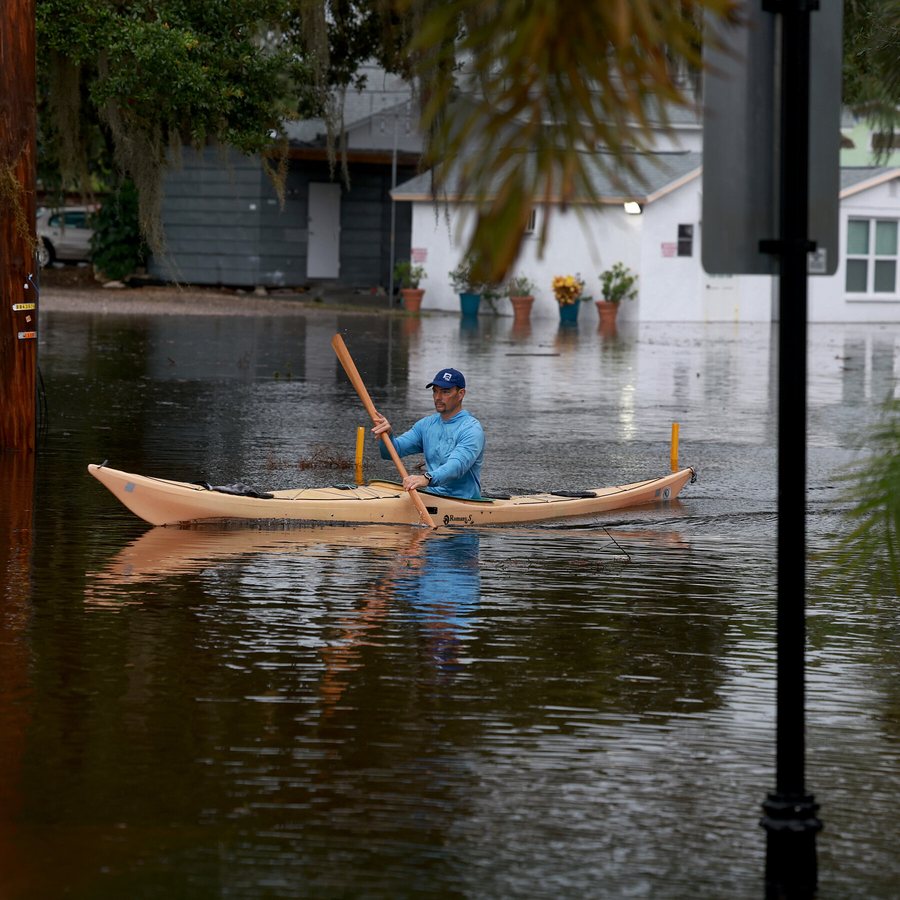
The warning follows an analysis of recovery efforts in Florida, where communities have faced repeated devastation from intensifying storms. Rather than simply rebuilding what was lost, experts now argue that communities must consider whether reconstruction is wise in areas that are increasingly prone to climate-related hazards. The question is no longer only about how to rebuild, but whether rebuilding in place is the most effective use of resources and the safest path forward for residents.
This reassessment comes as climate scientists document a clear trend toward more powerful and more frequent extreme weather events. Coastal regions, in particular, face a compounding set of risks from rising sea levels, stronger storm surges, and heavier rainfall. Each rebuilding cycle can leave communities exposed to the same dangers, creating a costly loop of destruction and reconstruction that some analysts describe as financially and emotionally unsustainable.
Managed retreat, the deliberate relocation of people and infrastructure away from high-risk areas, is emerging as a more serious consideration among policymakers. While the concept has historically been politically difficult to implement, the escalating costs of disaster recovery are forcing a re-evaluation. Proponents argue that strategic relocation, when planned well in advance, can preserve community cohesion and protect residents more effectively than repeated rebuilding efforts.
The economic dimension of this debate is significant. Federal and state disaster relief funds, which have traditionally supported rebuilding in place, are being stretched by the increasing frequency of climate events. Some economists and urban planners suggest that investing in buyouts and relocation support could prove more cost-effective over the long term than funding endless reconstruction cycles. This perspective is gaining traction as budget-conscious officials look for ways to break the cycle of repeated disaster spending.
For residents in affected areas, the decision to stay or leave is deeply personal and often fraught. Attachment to home, community ties, and financial constraints all play a role in whether individuals choose to rebuild or relocate. Experts emphasize that successful adaptation strategies must account for these human factors, offering support that goes beyond simple financial compensation to include assistance with finding new housing, maintaining social networks, and preserving cultural identity.
The challenges are not limited to coastal communities. Inland areas face growing threats from wildfires, river flooding, and extreme heat, each of which presents unique planning challenges. The common thread, researchers note, is that climate change is altering the baseline assumptions upon which land-use decisions have historically been made. Building codes, zoning laws, and insurance models all require updating to reflect the new reality of a changing climate.
Insurance markets are already responding to these shifts, with some providers raising premiums or withdrawing coverage from high-risk areas altogether. This market pressure is forcing homeowners and local governments to confront risks that were previously abstract. Without insurance, rebuilding becomes prohibitively expensive for many, and property values in vulnerable areas may decline, creating additional economic pressure for relocation.
Planners and researchers are calling for a more proactive approach to climate adaptation, one that anticipates future risks rather than reacting to past disasters. This includes updating hazard maps to reflect projected climate conditions, restricting new development in the most vulnerable zones, and designing infrastructure that can withstand the conditions expected in coming decades. The goal, they say, is to move from a reactive cycle of disaster and rebuild to a more thoughtful strategy of resilience and adaptation.
The debate over rebuilding versus retreat is likely to intensify as climate impacts continue to mount. While there is no one-size-fits-all solution, the growing consensus among experts is that continuing to rebuild in the same high-risk locations without significant changes is no longer a viable option. Communities across the country are beginning to grapple with these difficult choices, seeking ways to protect their residents and their futures in an era of profound environmental change.
128