A second judge has struck down New York's Climate Change Superfund Act, dealing another legal blow to the state's effort to charge fossil fuel companies for the costs of climate-related infrastructure damage. The ruling, issued in September 2026, follows an earlier decision that also found the law invalid, leaving the measure's future in doubt as appeals continue.
The law, signed in 2024, was designed to require major fossil fuel producers to pay into a state fund based on their historical greenhouse gas emissions. Supporters framed it as a way to shift the financial burden of climate adaptation — from flood defenses to heat-resilient infrastructure — onto the companies they say contributed most to the problem. The statute drew on the federal Superfund model, which forces polluters to pay for toxic waste cleanup.
The latest ruling adds to a growing body of litigation over whether states can impose such retroactive liability on energy companies. Industry groups have argued that the law oversteps state authority and conflicts with federal environmental statutes. The judge's decision in the second case echoed those concerns, though the specific legal reasoning was not immediately detailed in the source material.
New York's effort is part of a broader push by several states to hold fossil fuel producers accountable for climate damages. Vermont enacted a similar law, and other states have considered comparable measures. The outcomes of the New York cases are likely to influence those efforts, either by encouraging copycat legislation or by signaling that courts may reject such approaches.
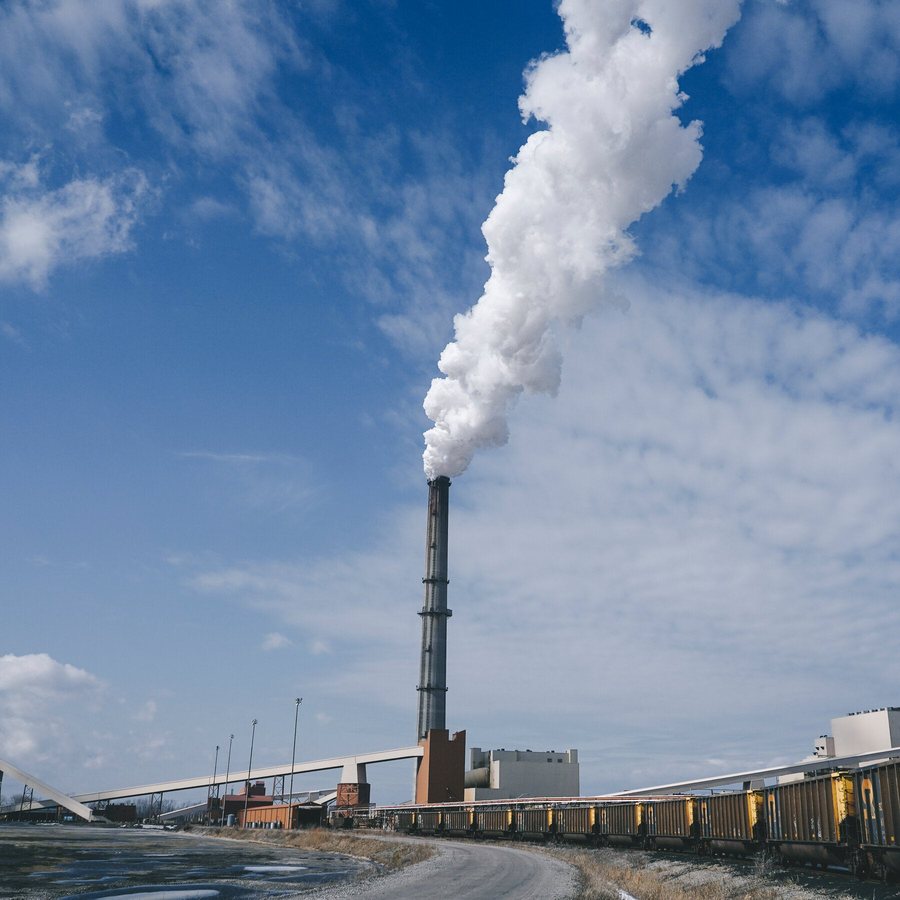
The Somerset plant, a coal-fired power station that closed in 2020, was the last of its kind in New York. Its closure marked the end of coal-fired electricity generation in the state, a milestone in New York's transition toward cleaner energy sources. The plant's history underscores the broader shift in the state's energy landscape, even as legal battles over who pays for climate impacts continue.
Environmental advocates have expressed disappointment with the rulings, arguing that without mechanisms like the superfund law, the costs of climate adaptation will fall disproportionately on taxpayers. Industry representatives, meanwhile, have welcomed the decisions as a check on what they describe as punitive and legally dubious measures.
The case is expected to be appealed. If the law is ultimately upheld, it could set a precedent for other states seeking to extract climate-related payments from fossil fuel companies. If it is struck down permanently, it may discourage similar legislative attempts and reinforce the role of federal courts in shaping climate liability.
For now, the second ruling leaves New York's climate superfund in limbo, with no clear timeline for when the fund might begin collecting payments. The state has not indicated how it will proceed, and the legal uncertainty could delay any implementation for months or years.
The decisions also raise questions about the limits of state-level climate policy in the absence of comprehensive federal action. As climate impacts intensify — from coastal flooding to extreme heat — the debate over who should pay for resilience measures is likely to grow more urgent, both in New York and across the country.
9