Britain's new environment secretary has issued a stark warning that the climate crisis is already reshaping the country, pointing to a summer of drought, wildfires, and the looming threat of flash floods as evidence that urgent action cannot be delayed. Angela Eagle, who took over the environment, food and rural affairs brief, said the recent extreme weather should silence those who dismiss climate concerns as overblown or who advocate for abandoning efforts to restore the natural environment.
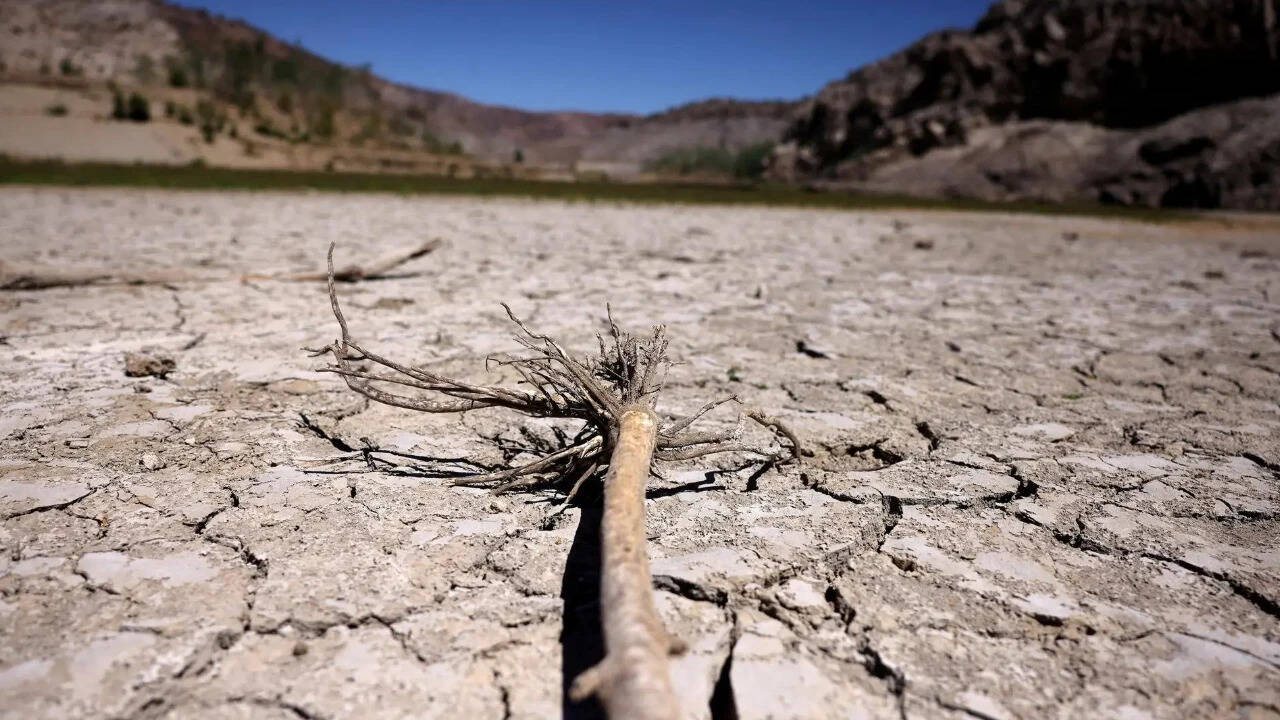
«No one who has experienced this summer in the UK should be in any doubt that our climate is already changing,» Eagle wrote in a statement marking her first major intervention in the role. She noted that the country has just endured its third drought in five years, alongside the driest July in almost two centuries. Wildfires have destroyed homes across parts of the country, and with autumn approaching, the risk of flash floods now looms as the parched ground struggles to absorb sudden heavy rainfall.
The warning comes as Britain faces a future that scientists and government advisers have long projected: warmer, wetter winters; hotter, drier summers; and a growing frequency of extreme weather events. Eagle framed the summer's events not as an anomaly but as a preview of what lies ahead if emissions and environmental degradation continue unchecked. «We know the future holds warmer, wetter winters, hotter, drier summers, and more extreme weather,» she said.
Her remarks carry political weight. Eagle accused opposition parties, specifically Reform and the Conservatives, of being willing to mislead the public on climate policy. She rejected any suggestion that Britain should simply «sit back and do nothing» or row back on attempts to restore the natural environment. Instead, she pledged to pursue a bold agenda, arguing that honesty about the scale of the challenge is a precondition for effective governance.
The environment secretary's statement aligns with broader international efforts to address drought and water security. At the recent COP17 meeting of the United Nations Convention to Combat Desertification, delegates launched a new global architecture for drought resilience, including a Drought Resilience Index and Investment Facility designed to strengthen preparedness by 2050. New artificial intelligence tools are being developed to help countries assess and manage drought risks, while the facility aims to unlock finance for water security and land restoration projects. The initiative reflects a growing consensus, echoed by India and other nations, that proactive, technology-enabled preparedness must replace reactive disaster relief.
For Britain, the immediate concerns are practical. The summer's wildfires have already tested emergency services and destroyed property, while communities in flood-prone areas are bracing for the transition to autumn. Eagle's message is that these are not isolated incidents but symptoms of a systemic shift that demands a coordinated response. She framed environmental restoration not as a luxury or a niche concern but as essential infrastructure for a country learning to live with a changing climate.
The political context adds urgency to her words. With elections approaching and climate policy emerging as a battleground, Eagle is positioning her department as a defender of evidence-based action. Her insistence that the government must be honest about the crisis, even when it is politically inconvenient, sets a clear contrast with opponents she accuses of exploiting public fatigue or skepticism for electoral gain.
Whether her agenda will translate into concrete policy remains to be seen, but the summer's events have given her a powerful argument. The third drought in five years, the driest July in two centuries, homes lost to wildfire, and the threat of floods are no longer abstract projections. They are lived experience for millions of Britons, and Eagle is betting that this reality will outweigh the appeal of denial.
119