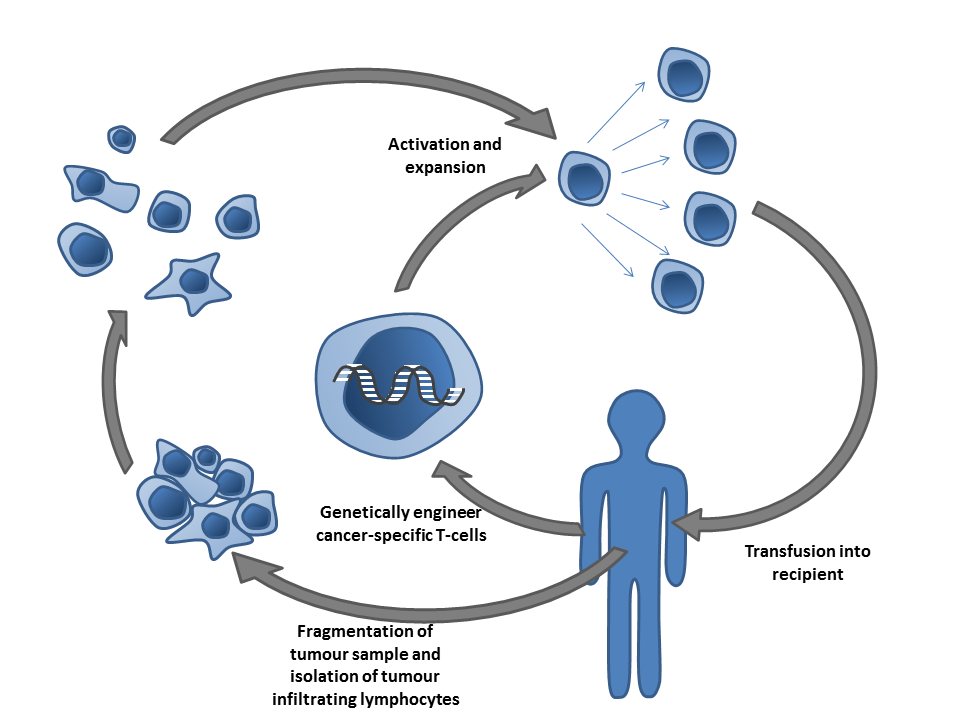
CAR-T therapy is normally a logistical operation as much as a medical one. A patient's T cells are collected, shipped to a specialized facility, genetically modified, expanded under tightly controlled conditions and then infused back into the bloodstream. A new clinical report suggests that at least part of that process can be moved inside the patient.
In a study involving 16 people with severe, treatment-resistant neurological autoimmune disorders, investigators used a lentiviral vector to deliver genetic instructions that turned patients' own T cells into CD19-targeting CAR-T cells in vivo. The engineered cells then attacked B cells, the immune-cell population targeted by several therapies for autoimmune disease. Researchers reported complete B-cell depletion across the treated group and preliminary signs of clinical improvement.
The approach matters because conventional CAR-T manufacturing is slow, expensive and difficult to scale. It was developed for cancer treatment, where the individualized manufacturing pipeline can take weeks and requires specialized centers. If an off-the-shelf vector can reliably reprogram enough T cells inside the body, some of those bottlenecks could eventually be reduced. That prospect is particularly important for autoimmune diseases, where CAR-T therapy is being explored as a way to reset parts of the immune system rather than continuously suppress them.
The result is not yet evidence that in vivo CAR-T is ready to replace established treatments. Sixteen patients is a very small clinical experience, and the report is an early test of feasibility and safety rather than a definitive comparison with conventional CAR-T or other immune therapies. Lentiviral delivery also raises questions that require long follow-up, including the durability of the engineered T-cell population, immune reactions to the vector and the consequences of prolonged B-cell depletion.
The neurological diseases treated in the study are difficult conditions in which patients may already have exhausted several therapies. That makes early improvement clinically interesting, but it also means the findings need to be interpreted in the context of a highly selected group. Larger trials will have to establish which diseases respond best, what dose produces the desired balance between efficacy and toxicity, and whether the effect is durable after B cells return.
The larger significance is the manufacturing concept. CAR-T has been defined by removing cells from the body and rebuilding them in a laboratory. This study tests a different model: deliver the genetic program directly and let the patient's immune system become the production site. Whether that model can be made as controllable and predictable as ex vivo cell therapy will determine how far the idea travels beyond these first patients.
146