A series of infectious disease outbreaks sweeping across the United States is exposing critical gaps in the nation's public health defenses, according to former senior officials at the Centers for Disease Control and Prevention. As measles, hantavirus, cyclospora, whooping cough, bird flu, and even Ebola pose growing threats, experts say the rapid dismantling of the U.S. public health system at all levels has left the country in worse shape than it was before the Covid-19 pandemic.
Former CDC directors and senior scientists warn that the agency has lost significant staff and institutional expertise in recent months, hampering its ability to prevent, identify, and halt the spread of dangerous pathogens. The cuts have affected everything from laboratory capacity to field epidemiology, surveillance networks, and outbreak response teams. The result, they say, is a slower and less coordinated reaction to emerging health emergencies.
Among the most pressing current threats is measles, a highly contagious virus that can cause severe complications, especially in unvaccinated children. Outbreaks have been reported in multiple states, with cases rising sharply compared to recent years. Public health officials attribute the resurgence to declining vaccination rates and weakened surveillance infrastructure that makes it harder to track and contain cases before they spread widely.
Hantavirus, a rare but often fatal rodent-borne disease, has also appeared in new areas, catching some local health departments off guard. The virus causes severe respiratory illness and has no specific treatment or vaccine, making rapid detection and public education critical. Former officials note that the loss of experienced field staff has delayed investigations into hantavirus cases and slowed efforts to warn at-risk communities.
Cyclospora, a parasitic infection that causes prolonged gastrointestinal illness, has been linked to contaminated produce and has triggered multistate outbreaks. The CDC's ability to trace the source of such outbreaks relies on a network of specialized laboratories and epidemiologists, but staffing reductions have strained that capacity. Experts say the agency is now less able to quickly identify contaminated food products and prevent further illnesses.
Whooping cough, or pertussis, has also seen a resurgence, with cases rising among infants and young children who are most vulnerable to severe disease. The CDC's immunization programs and outbreak response teams have been affected by the cuts, potentially slowing efforts to contain outbreaks and promote booster vaccinations.
Bird flu, or avian influenza, continues to circulate in poultry and has sporadically infected humans, raising concerns about a potential pandemic. The CDC's influenza division has historically played a key role in monitoring and responding to novel flu strains, but former officials warn that reduced staffing could hinder early detection and rapid response if the virus gains the ability to spread easily among people.
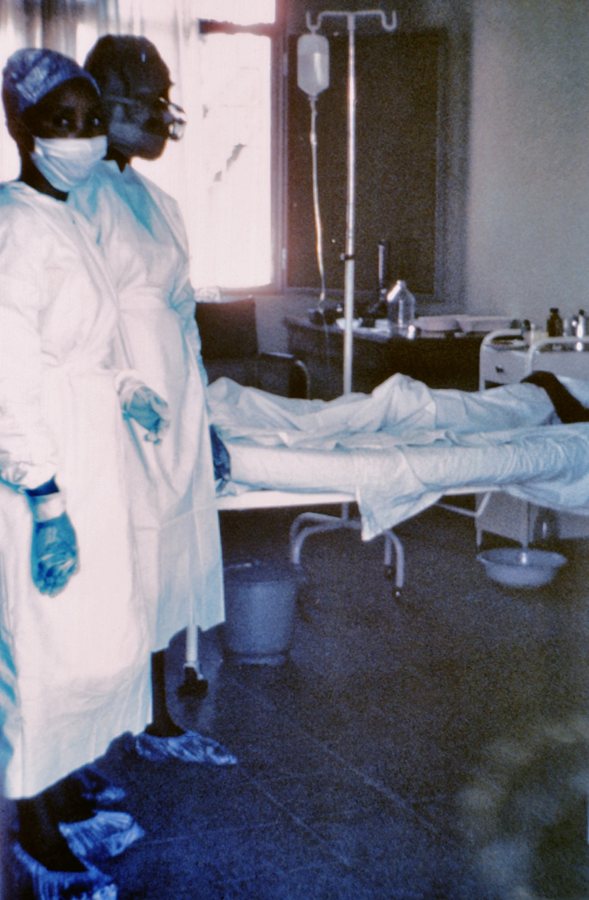
Even Ebola, though not currently widespread in the U.S., remains a concern due to global travel and the potential for imported cases. The CDC's special pathogens team, which trains health care workers and coordinates with hospitals to handle highly dangerous infections, has been affected by the cuts. Former officials say this could leave the country less prepared to manage a high-consequence pathogen if one arrives on American soil.
The cumulative effect of these cuts, experts argue, is a public health system that is less resilient and slower to act. During the Covid-19 pandemic, the U.S. invested heavily in testing, surveillance, and response infrastructure, but much of that progress has been undone. Former CDC officials describe a sense of deja vu, warning that the nation is repeating mistakes that could lead to larger and more costly outbreaks.
They emphasize that infectious diseases do not respect borders or budget cuts. A weakened CDC means slower detection of emerging threats, delayed deployment of countermeasures, and greater risk of widespread illness. The current outbreaks, they say, are a warning sign that the U.S. public health system needs urgent reinforcement, not further reductions.
In response to the criticism, CDC leadership has stated that the agency is prioritizing core functions and working to maintain essential services despite budget constraints. However, former officials and outside experts remain skeptical, pointing to the growing list of outbreaks as evidence that the cuts are having real-world consequences. They call for renewed investment in public health infrastructure, including stable funding for the CDC, rebuilding the public health workforce, and strengthening partnerships with state and local health departments.
The situation underscores a broader challenge facing the U.S. public health system: the need to sustain preparedness even when no single crisis dominates the headlines. Without consistent support, the capacity to respond to outbreaks erodes, leaving the country vulnerable to both familiar diseases and new threats. As former officials put it, the price of cutting public health is measured not in dollars saved, but in lives lost and illnesses that could have been prevented.