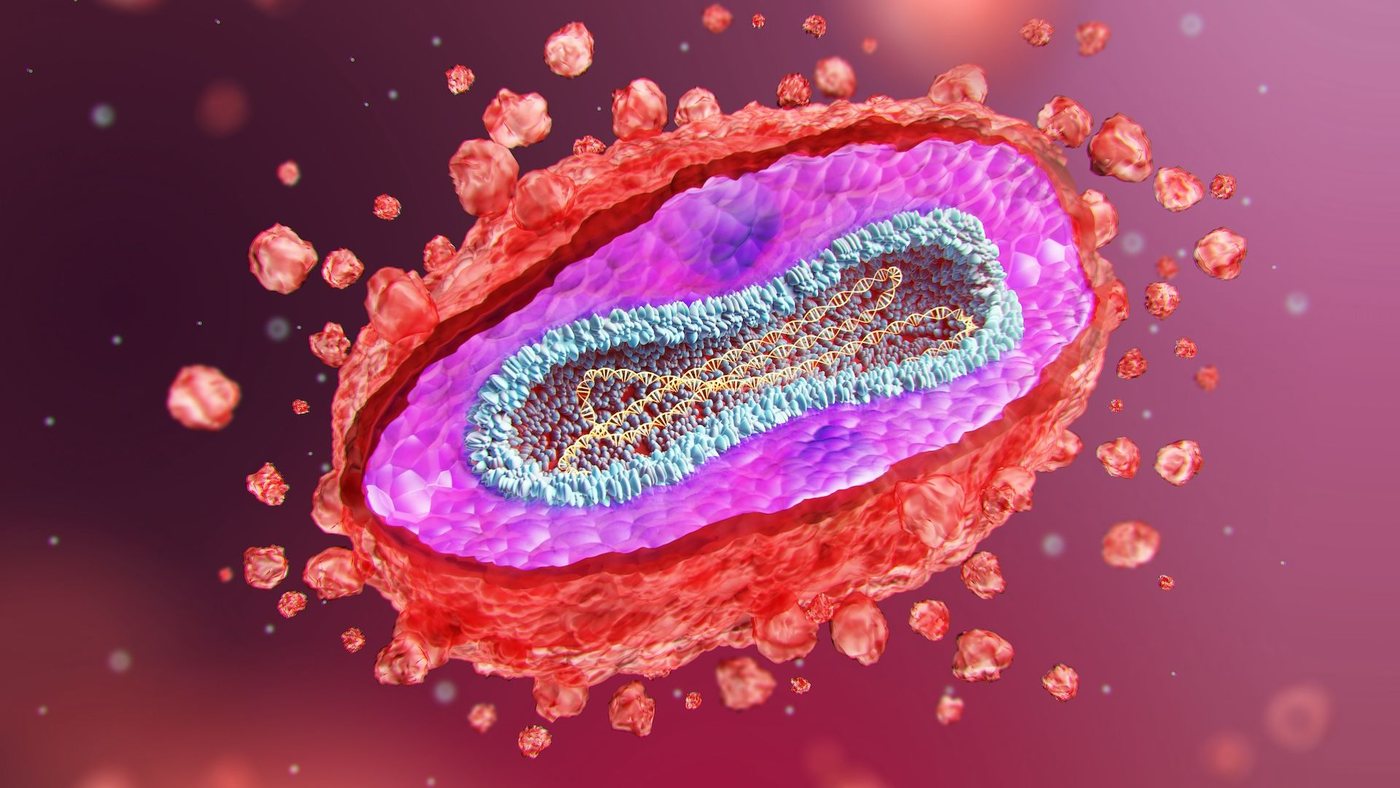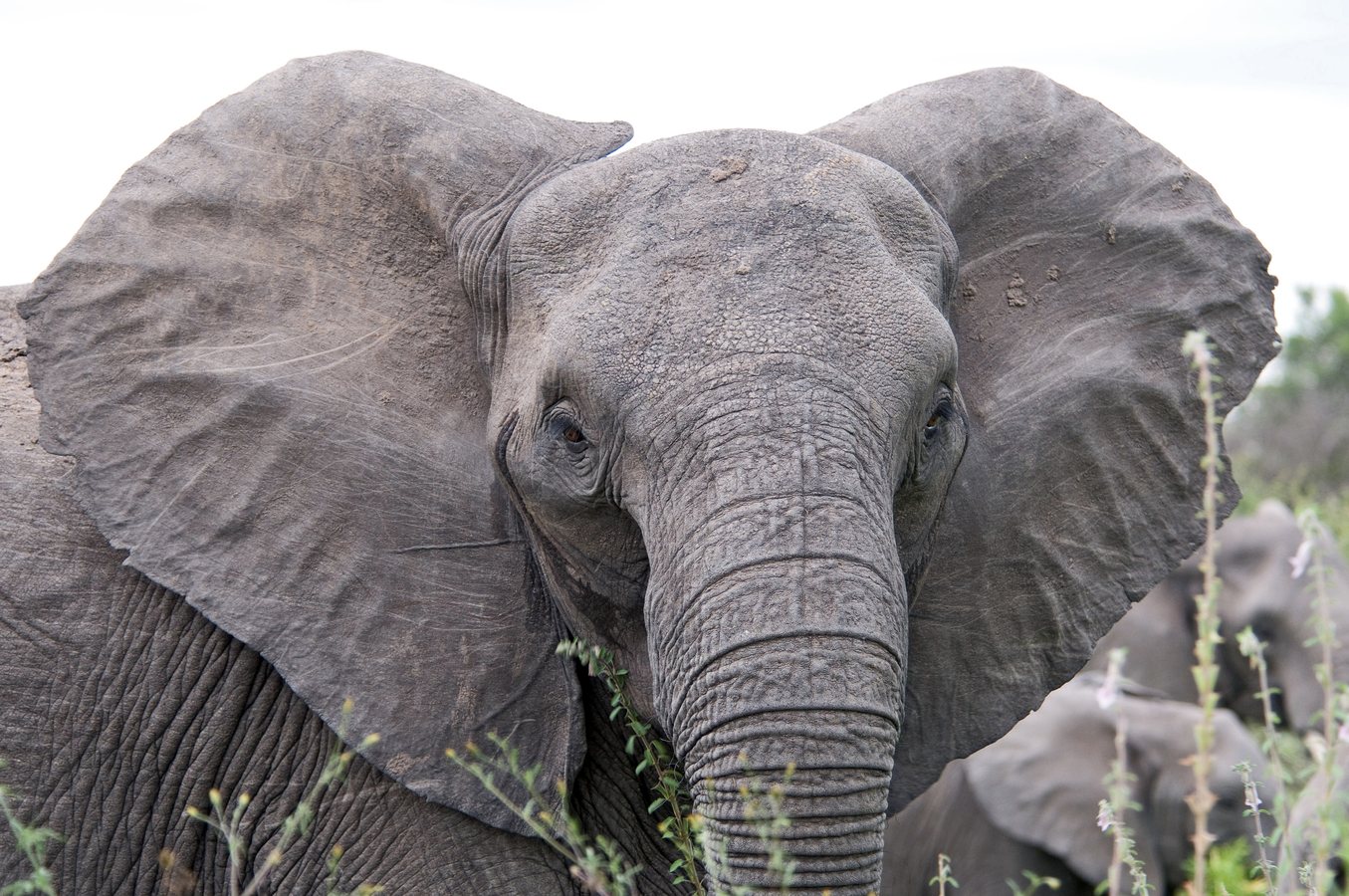
A long-nosed fur seal found dead on the South Australian coast has become the first mammal on the Australian mainland confirmed to have died from the spreading H5 bird flu strain. The animal was discovered at Beachport on the state's Limestone Coast, marking a new phase in the virus's advance through the country.
The death follows the announcement by South Australian Premier Peter Malinauskas of three mass mortality events on offshore islands, where more than 1,000 greater crested terns have perished. Federal Agriculture Minister Julie Collins said the seal's death was «not unexpected» as the virus continues to move through Australian wildlife populations.
The H5 strain, which has caused significant losses among wild birds and poultry across multiple continents, has increasingly been detected in mammals in recent years. The Australian mainland case represents a notable geographical expansion of the virus's reach, raising concerns among wildlife authorities and public health officials about the potential for broader ecological impacts.
Wildlife experts are now monitoring the situation closely, particularly along coastal areas where seabird colonies and marine mammals share habitats. The long-nosed fur seal, a species found in southern Australian waters, joins a growing list of mammals worldwide that have been infected with the highly pathogenic avian influenza virus.
The confirmation of the seal's death underscores the challenges facing biosecurity and conservation efforts as the virus establishes a presence in new environments. Authorities have urged the public to report sick or dead wildlife and to avoid handling animals that may be infected, as part of efforts to track and contain the outbreak.
The incident highlights the interconnected nature of wildlife health and the potential for zoonotic diseases to cross species barriers. While the immediate focus remains on managing the current outbreak, scientists are studying the patterns of transmission to better understand how the virus spreads among different animal populations and what risks it may pose to humans.
Federal and state agencies are coordinating their response, with surveillance programs being intensified along the affected coastline. The agricultural minister's remarks suggest that further cases are anticipated as the virus continues its trajectory through Australian ecosystems.
The development comes as Australia has largely avoided the large-scale outbreaks seen in other regions, but the recent events indicate that the country is not immune to the global spread of the H5 strain. Researchers are particularly concerned about the potential for the virus to establish itself in wild bird populations, which could lead to recurring outbreaks and increased contact with domestic poultry and mammals.
For now, the death of the fur seal serves as a stark reminder of the virus's reach and the need for continued vigilance. Authorities are expected to provide further updates as monitoring efforts continue and as more information becomes available about the extent of the outbreak.
146