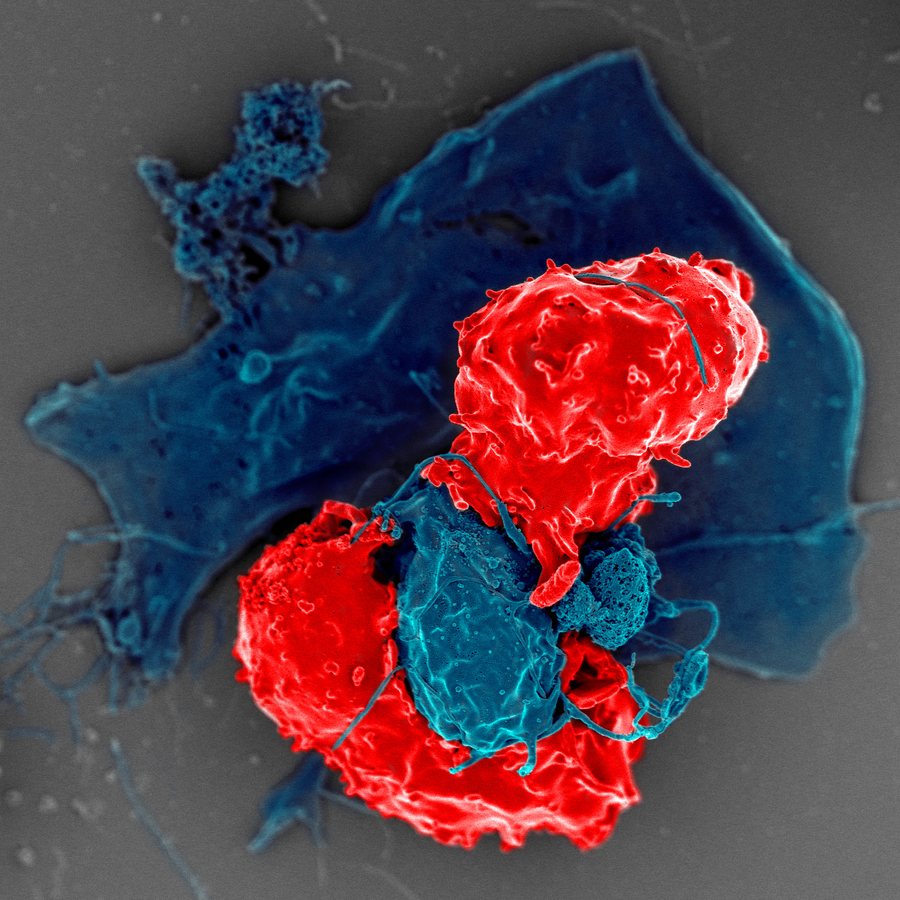
Researchers at the Massachusetts Institute of Technology have developed a nanoparticle approach that reprograms a patient's immune cells while they are still inside the body, turning them into weapons against cancer. In experiments on mice, the method eliminated tumors and reversed liver damage, pointing to a possible route to simpler and cheaper immune-based therapies.
Most current immune therapies require immune cells to be removed from the patient, modified in a laboratory and then returned. The MIT approach instead uses tiny particles that act on immune cells in place. The nanoparticles are designed to reprogram these cells so that they target cancer cells and also harmful immune cells, the ones that drive damaging inflammation.
The results so far come only from animal studies. The reported outcomes, the disappearance of tumors and the reversal of liver damage in mice, show that the principle works in a living organism, but they say nothing yet about how the treatment would perform in people. Human safety and effectiveness have not been tested, and the researchers have not set out a timeline for clinical trials.
The team's stated goal is to make immune therapies less complicated and less expensive. Those cost savings, however, remain a projection rather than something that has been demonstrated. If the approach proves safe and effective in patients, it could be applied to cancer treatment and to autoimmune diseases, in which the immune system attacks the body's own tissues. For now, those applications remain possibilities that will require years of further research to confirm.
Credit. Based on reporting for ScienceDaily. Is this your work? Write to us.
13