A man with a rare form of amyotrophic lateral sclerosis has improved after receiving an RNA-based gene-targeting treatment, according to a report published in Nature. The case is being described as the first evidence that RNA therapies can produce clinical benefit in a motor-neuron disease, a category of conditions that has historically resisted treatment.
The treatment works by targeting the genetic instructions that produce a faulty protein, rather than by treating symptoms after nerve damage has occurred. In this case, the therapy was designed for a specific rare form of ALS linked to a known genetic mutation. Researchers involved in the work say the patient's improvement suggests the approach could be extended to other people with rare, genetically defined forms of the disease.
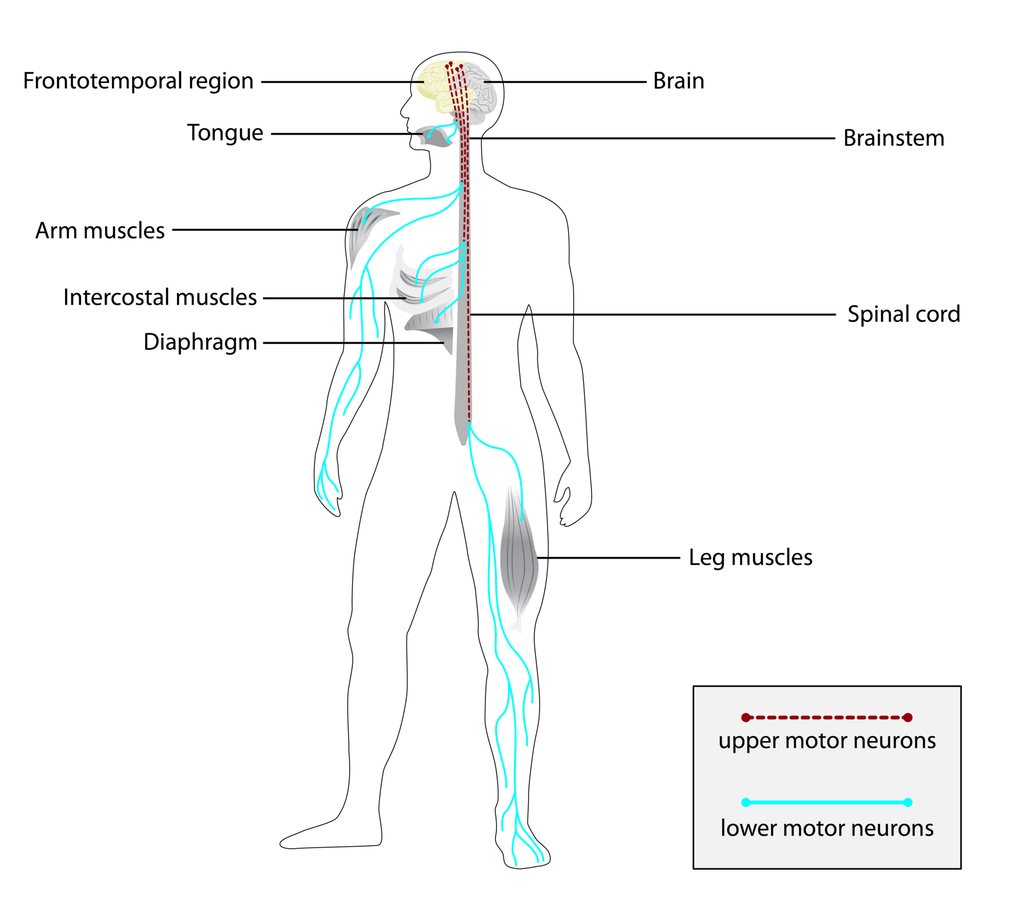
ALS, often called Lou Gehrig's disease in the United States, is a progressive condition in which motor neurons in the brain and spinal cord degenerate, leading to loss of muscle control, difficulty speaking and swallowing, and eventually respiratory failure. Most cases have no known genetic cause, but a minority are driven by inherited mutations. Those rare inherited forms have become a focus for gene-targeting strategies because the underlying trigger is known and can be addressed directly.
The report does not claim a cure, and the result comes from a single patient, which limits how much can be concluded about how widely the treatment will work or how long its effects will last. Still, the outcome is significant because it moves RNA therapy into a disease area where previous attempts have largely failed. RNA treatments can be designed to silence or modify the production of specific proteins, and they can be adapted relatively quickly once a target gene is identified.
If the approach holds up in further testing, it could open a path for treating other rare forms of ALS and possibly other motor-neuron diseases with a genetic basis. Researchers say the next steps will involve confirming the result in additional patients and determining whether the benefit is durable. The case also raises questions about how such therapies would be delivered, how much they would cost, and how patients with rare mutations would be identified for treatment.
The finding adds to a broader shift in neurology toward therapies that act on the underlying biology of disease rather than only managing symptoms. For families affected by rare genetic forms of ALS, the result offers a concrete reason for cautious optimism, while underscoring that much work remains before the approach becomes a standard option.