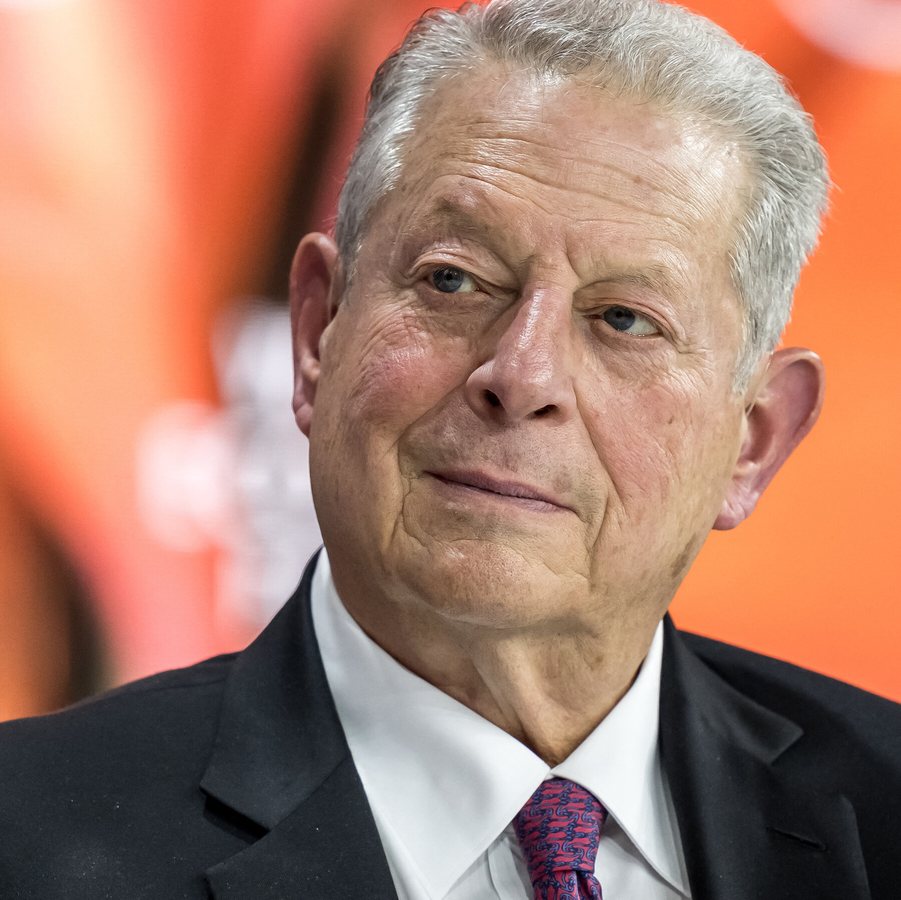
Former Vice President Al Gore is renewing his long-running campaign on climate change with a speech that lands at a moment of sharp political reversal for U.S. environmental policy. Gore is set to speak on the topic in advance of Climate Week, the annual global gathering of governments, businesses and advocacy groups focused on emissions and clean energy.
The timing places his remarks directly against the Trump administration's decision to lift limits on greenhouse gas emissions from power plants. That move rolls back a central pillar of federal climate regulation, which had been aimed at curbing carbon dioxide and other heat-trapping pollutants produced by electricity generation.
Gore has been a prominent voice on global warming since his time in the White House and his 2006 documentary «An Inconvenient Truth», which brought the science of climate change to a mass audience and helped earn him a Nobel Peace Prize. His continued public appearances have kept him in the center of the debate even as the political ground has shifted beneath the issue.
The power plant rules at stake are among the most consequential tools the federal government has used to reduce emissions from the energy sector. By easing those limits, the administration is signaling a broader retreat from the regulatory approach that has shaped U.S. climate policy for years. The change is likely to draw scrutiny from scientists, public health officials and states that have set their own emissions targets.
Climate Week itself has become a fixture on the international calendar, drawing leaders from government, finance and industry to announce pledges and assess progress. Gore's decision to speak just before the event gives his message a platform at a time when the gap between scientific warnings and policy action is widening.
For supporters of strong climate action, the former vice president's remarks are expected to serve as both a warning and a rallying point. For critics of federal regulation, the rollback represents a correction in favor of energy production and cost concerns. Either way, the contrast between Gore's alarm and the administration's deregulation sets the terms of the debate in the weeks ahead.
Gore has consistently argued that the costs of inaction outweigh the costs of reducing emissions, pointing to extreme weather, rising sea levels and public health burdens. His speech is likely to revisit those themes while pressing the case that the transition to cleaner energy is both necessary and economically viable.
The broader context is a U.S. climate policy that now moves in two directions at once. Federal rules are being loosened, while many states, cities and companies continue to pursue their own emissions reductions. That split makes events like Climate Week and voices like Gore's more important to the public conversation, not less.
What the speech will not do is settle the underlying dispute. The science of greenhouse gas accumulation is well established, but the politics of what to do about it remain deeply contested. Gore's appearance ensures that argument stays in view as Climate Week begins and the administration's deregulation takes effect.