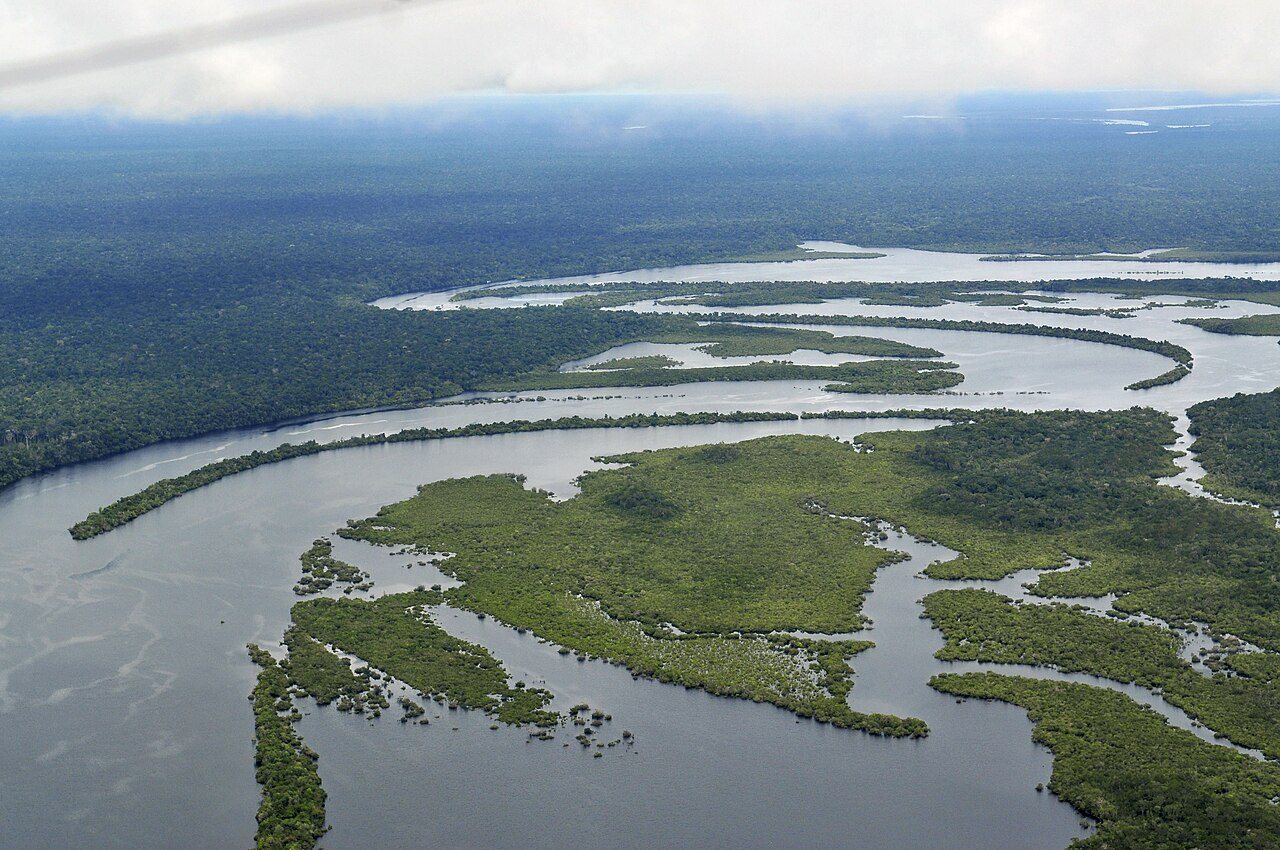
A sprawling climate experiment in the Amazon rainforest is the centerpiece of a new Nature briefing that invites readers to step into the field with climatologist David Lapola. The experiment is designed to probe how the world's largest tropical forest responds to changing atmospheric conditions, a question with consequences for global climate models and conservation policy.
Lapola, a researcher whose work focuses on the interactions between land use, climate, and the Amazon, serves as guide through the installation. The briefing presents the experiment as a large-scale, in-situ effort — one that operates directly within the rainforest rather than in a laboratory or computer simulation. Such field experiments are critical for understanding how tropical ecosystems might react to shifts in temperature, rainfall, and carbon dioxide levels, factors that are difficult to replicate outside the forest itself.
The Amazon experiment joins a growing body of research aimed at quantifying the forest's role in the global carbon cycle. The rainforest stores vast amounts of carbon and influences regional weather patterns, making its stability a concern for scientists and policymakers alike. By manipulating or monitoring conditions in real time, researchers hope to capture data that satellites and models cannot provide on their own.
The briefing also highlights two unrelated developments. One is a demonstration of an «invisible» tattoo that becomes visible under ultraviolet light, a technology with potential applications in security, identification, and medical monitoring. The other is an exploration of PhD remuneration across Europe, examining how doctoral candidates are compensated in different countries and what that means for the sustainability of research careers.
Together, the items reflect the breadth of Nature's daily coverage, which ranges from immersive field science to applied technology and the economics of research training. The Amazon experiment, however, stands out for its scale and its direct engagement with one of the most consequential environmental questions of the century: how much stress the rainforest can absorb before its function as a carbon sink is compromised.
For readers, the briefing offers a rare window into the logistics and ambitions of a major climate study, as well as a reminder that scientific progress depends on both fieldwork and the policies that support the people who conduct it.
12