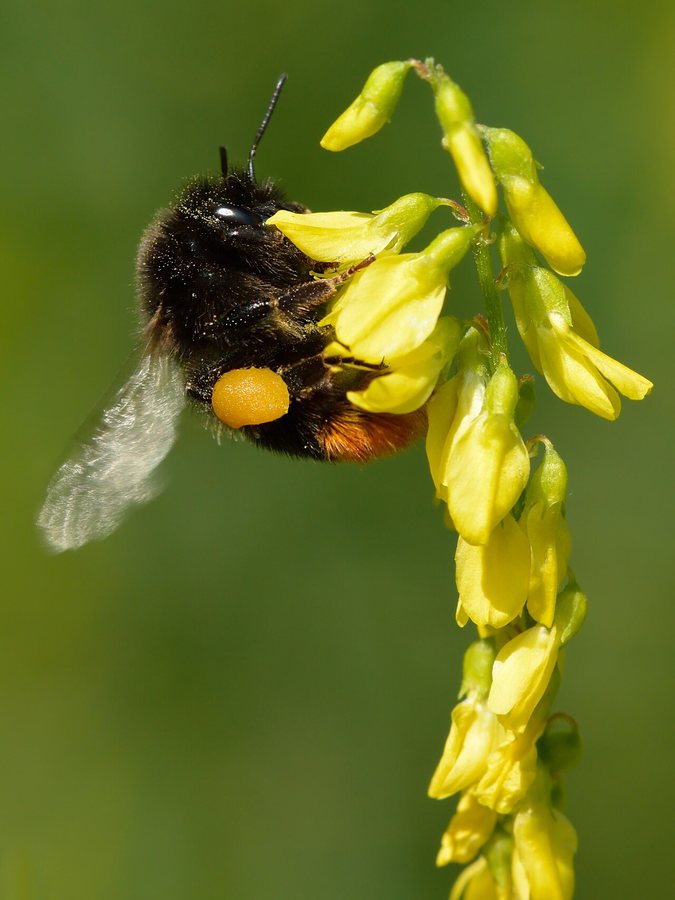
A new conservation programme is setting out to help one of Britain's rarest bumblebees, the Moss carder, with efforts concentrated in three key regions: Cornwall, Kent and the North Pennines. The project aims to reverse the decline of a species that has become increasingly scarce across the country.
The Moss carder bumblebee, known for nesting on the ground among moss and grass, has suffered from the loss of the flower-rich habitats it depends on. Changes in land use, intensive farming and the disappearance of wildflower meadows have all contributed to its retreat. The new programme will focus on restoring and connecting these habitats in the three target areas, which represent some of the species' last strongholds.
Conservationists say the project will involve working with landowners, farmers and local communities to create and manage suitable habitat. This includes planting wildflowers, reducing pesticide use and maintaining the kind of rough, tussocky grassland where Moss carders build their nests. The approach is designed not only to help the bumblebee but also to benefit other pollinators and wildlife that share its environment.
The Moss carder is one of several bumblebee species that have declined dramatically in recent decades. Once found across much of southern and eastern England, it is now largely confined to a few coastal and upland areas. Its decline mirrors a wider pattern of pollinator loss that scientists say poses a risk to food production and ecosystem health.
Bumblebees are vital pollinators for many crops and wild plants. Their disappearance can trigger cascading effects through ecosystems, reducing plant reproduction and the animals that depend on those plants. The Moss carder's specific needs — open, flower-rich landscapes with abundant nesting sites — make it a useful indicator of the health of these habitats.
The programme in Cornwall, Kent and the North Pennines will also collect data on the bee's distribution and population trends. Researchers hope to learn more about its ecology and the most effective ways to support it. This information could guide future conservation efforts for other declining species.
Local groups in the three regions are expected to play a central role. Volunteers will help monitor bumblebee populations, record sightings and manage habitats. Such citizen science is increasingly important for tracking rare species that are difficult to survey systematically.
The project comes amid growing concern about insect declines worldwide. Studies have documented sharp losses in bee, butterfly and moth populations, driven by habitat loss, climate change, pollution and disease. In response, governments and charities have launched various initiatives to restore pollinator-friendly landscapes.
For the Moss carder, the new programme offers a targeted lifeline. By focusing resources on the areas where the species still hangs on, conservationists hope to stabilise its numbers and eventually expand its range. Success will depend on sustained effort and cooperation across the three regions.
The initiative also highlights the importance of local action in global conservation. While international agreements set broad targets, the fate of species like the Moss carder is often decided at the level of individual fields, hedgerows and gardens. The project's emphasis on working with landowners reflects a recognition that conservation must be integrated into land management.
As the programme gets underway, its progress will be watched closely by ecologists and conservationists. If it succeeds, it could serve as a model for helping other rare bumblebees and insects. For now, the Moss carder's future rests on the collective efforts of those in Cornwall, Kent and the North Pennines.
10