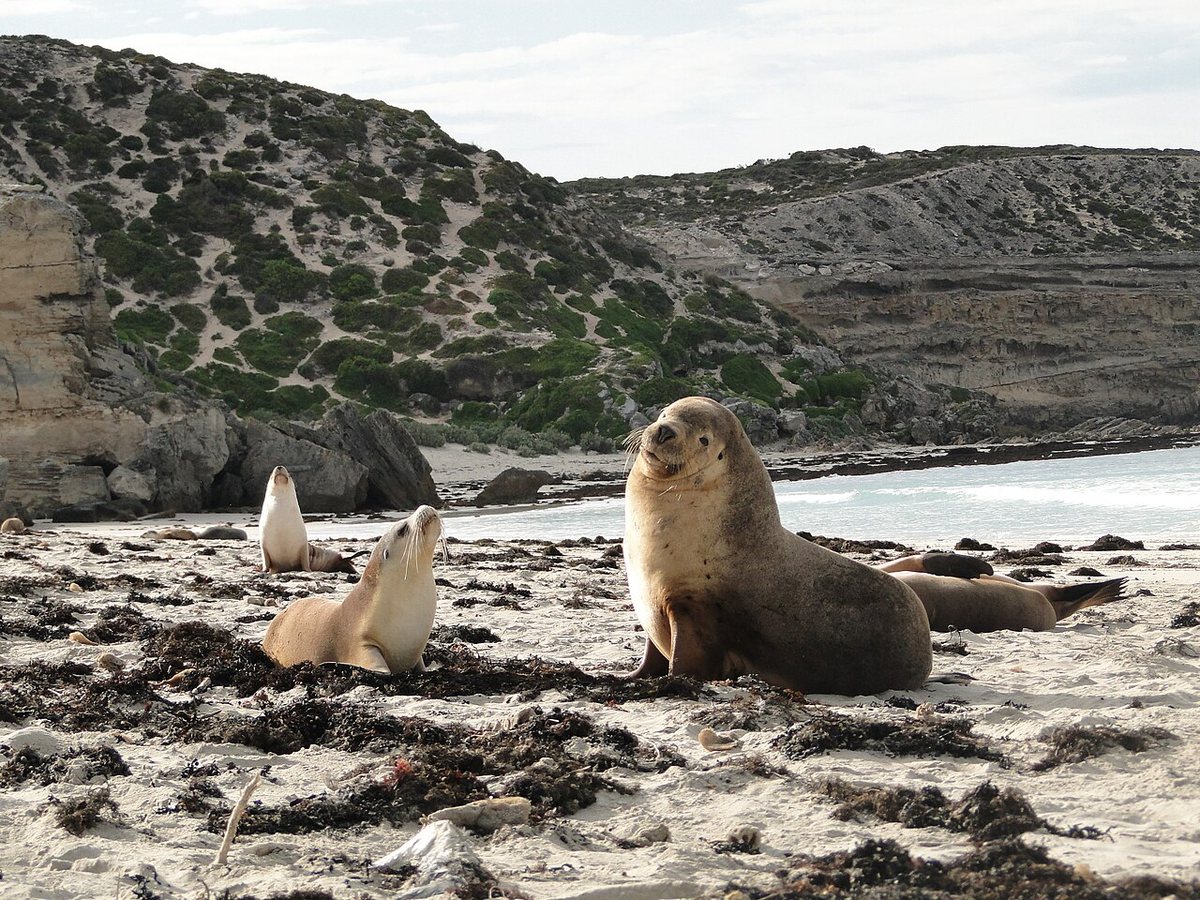
South Australian authorities have confirmed the first known death of an endangered Australian sea lion from H5 bird flu, a finding that has intensified concerns for a species whose entire population is estimated at fewer than 12,000 animals. The case was discovered on Kangaroo Island, off the coast of South Australia, according to the state's environment authorities.
The Australian sea lion is one of the world's rarest pinnipeds. Experts say roughly 12,000 individuals remain, though a more recent estimate placed the figure below 10,000. The overwhelming majority of the population is found in South Australian waters, with a smaller remnant group in Western Australia. That concentration makes the species especially vulnerable to a disease outbreak that can spread rapidly through crowded breeding colonies.
H5 bird flu, also known as highly pathogenic avian influenza, has been circulating widely among wild birds and has increasingly spilled over into marine mammals in various parts of the world. The virus has previously been detected in seals and sea lions elsewhere, sometimes causing mass mortality events. The Kangaroo Island case marks the first time the strain has been linked to a death in this particular species, which had not previously been recorded as a victim of the virus.
Wildlife officials have not yet indicated how the sea lion contracted the virus or whether other animals in the area are showing symptoms. The discovery has prompted calls for heightened monitoring of colonies along the South Australian coast, where the species' main breeding sites are located. Because Australian sea lions breed on remote islands and have a slow reproductive rate, any additional deaths could have an outsized effect on the population's long-term survival.
The species has been listed as endangered for years, facing threats that include bycatch in fishing gear, habitat disturbance, and food shortages. The arrival of H5 bird flu adds a new and unpredictable danger. Conservationists warn that if the virus spreads among colonies, it could accelerate a decline that is already difficult to reverse.
Authorities in South Australia are expected to continue testing and surveillance in the region. The case on Kangaroo Island is being treated as a significant development for both wildlife management and public health, since avian influenza viruses can occasionally infect other mammals and, in rare instances, humans. For now, the immediate focus is on understanding how far the virus may have spread among the sea lions and what steps can be taken to protect the remaining population.