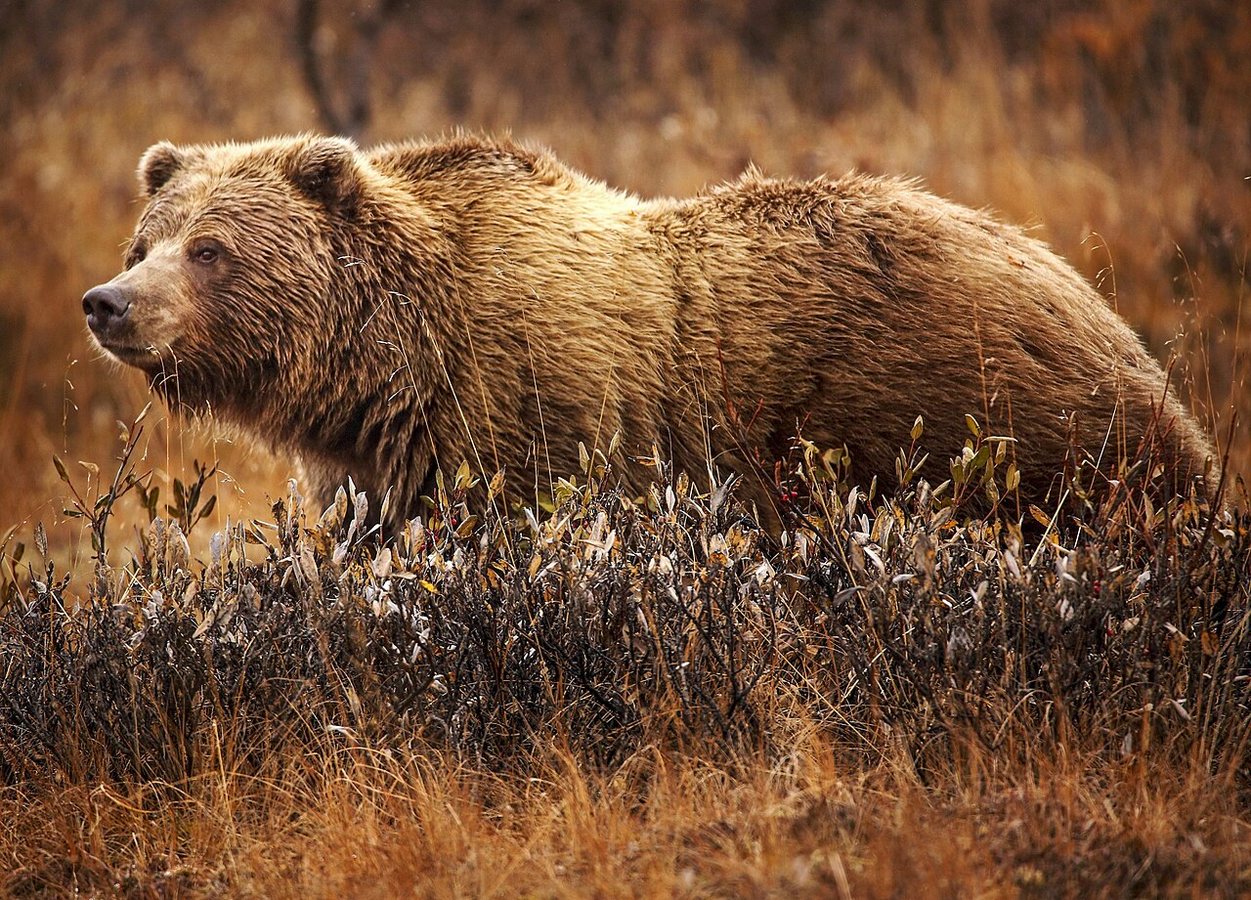
Grizzly bears in the Lower 48 states remain protected under the Endangered Species Act, according to a 2026 update that reaffirms their federal status. The announcement, tied to the ongoing conservation conversation around the species, confirms that these iconic animals continue to receive the legal safeguards that have been central to their recovery over the past half-century.
The update comes amid broader discussions about wildlife management and the balance between species recovery and regional interests. Grizzly bears, once widespread across the western United States, now occupy a fraction of their historical range, with populations concentrated in ecosystems such as Greater Yellowstone and the Northern Continental Divide. Their continued protection under the Endangered Species Act means that federal agencies must consult on activities that could affect their habitat, and that take of bears remains restricted except under specific circumstances.
The decision reflects the latest assessment of the species' status, which considers population trends, habitat quality, and threats such as human-wildlife conflict and climate change. While some populations have grown in recent decades, the overall recovery remains incomplete, and the bears still face significant challenges. Conservationists have welcomed the continued protection, arguing that premature delisting could undermine progress and expose the species to new pressures.
The update also highlights the importance of public engagement and education in wildlife conservation. The grizzly bear, a symbol of wilderness and a keystone species in its ecosystem, has become a focal point for debates about how to manage large carnivores in a landscape increasingly shaped by human activity. Efforts to reduce conflicts, such as securing food storage and managing attractants, remain critical to coexistence.
For now, the legal status of grizzly bears in the Lower 48 is clear: they remain a protected species. This means that any future changes to their management will require a rigorous scientific and public process, ensuring that decisions are grounded in the best available data and reflect the values of a society that has come to appreciate the bear's ecological and cultural significance.
The 2026 update serves as a reminder that conservation is an ongoing commitment, not a one-time achievement. As the human footprint expands and climate patterns shift, the fate of the grizzly bear will continue to test the nation's ability to balance development with the preservation of its natural heritage. For now, the bears remain under the umbrella of federal protection, and the work of ensuring their long-term survival goes on.
98