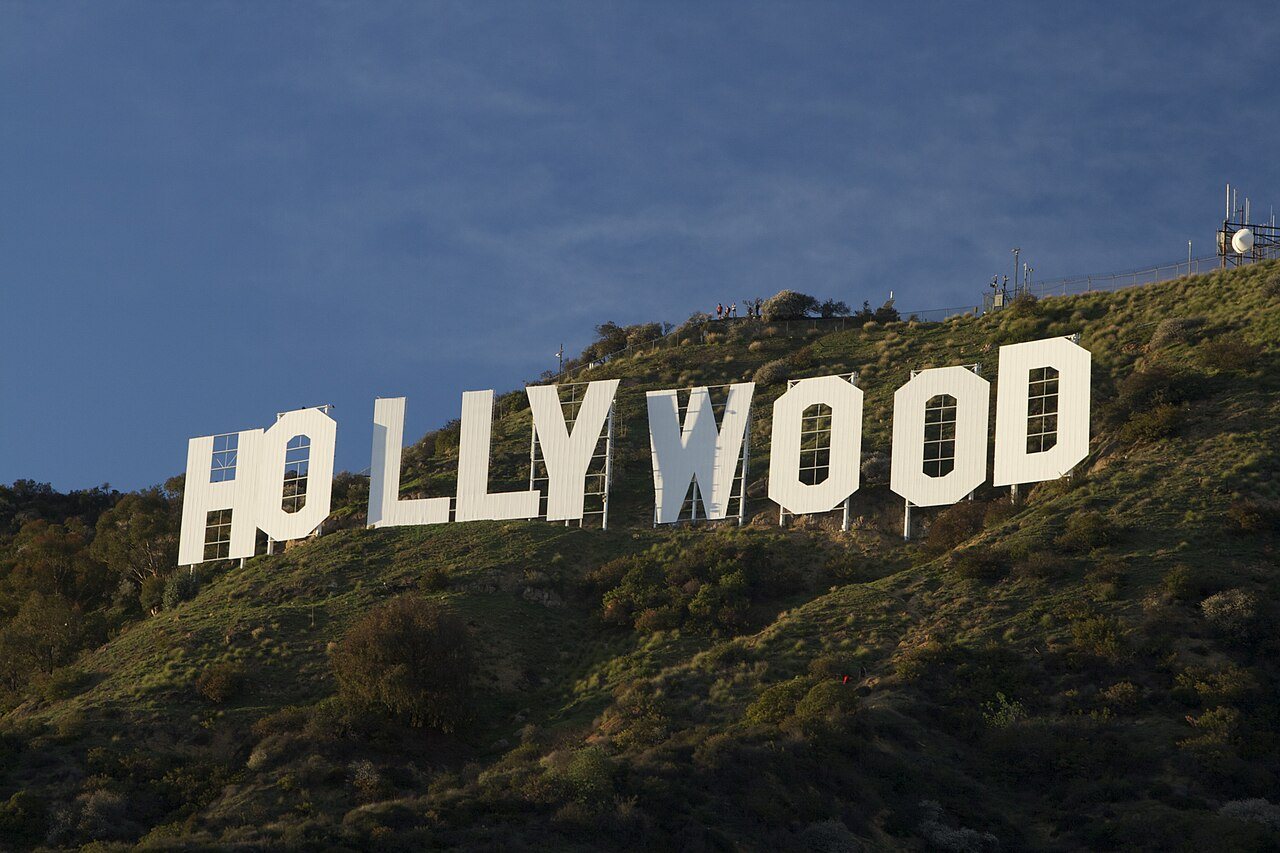
Atop Mount Lee, the wind is quiet. Two red-tailed hawks sail above, barely flapping as they coast the thermal air like surfers on a wave. Standing beside the giant letters of the Hollywood sign, the city seems peaceful. On a clear day, blocks and blocks of homes unfold beneath and the skies reveal sights all the way to Catalina Island — nearly 50 miles out, across the Pacific.
That is the beauty seen from the Hollywood sign. But the sign is more than an international symbol for the city. It is also a hallmark of the region's environmental richness, a gateway to a secret animal world that persists in the heart of Los Angeles.
The hills beneath and around the landmark are home to a surprising array of wildlife. Snakes, bobcats, and mountain lions all inhabit the rugged terrain of the Santa Monica Mountains, which rise directly behind the sign. These animals navigate a landscape fragmented by freeways, neighborhoods, and development, yet they continue to find routes through the urban maze.
Red-tailed hawks are among the most visible residents, often seen riding thermals above the ridge. Their presence signals a functioning ecosystem: where raptors hunt, smaller prey species must also thrive. The hawks share the sky with other birds, while the brush below shelters reptiles and small mammals that form the base of the food web.
Mountain lions are the most elusive and charismatic of the region's predators. A small population persists in the Santa Monica Mountains, hemmed in by some of the busiest highways in the country. These cats require vast territories, and their survival depends on safe passage across roads and through connected habitat. Wildlife corridors and crossing structures have become essential tools for keeping the population genetically viable.
Bobcats, smaller and more adaptable, also patrol the hills. They prey on rabbits, rodents, and other small animals, helping to regulate those populations. Like mountain lions, bobcats face threats from vehicle collisions, rodenticides, and habitat loss. Their presence so close to a global entertainment capital underscores the resilience of nature when given even a narrow foothold.
The Hollywood sign itself sits within a protected area that forms part of a larger network of parks and open space. This patchwork of public land provides refuge for wildlife and a rare opportunity for millions of residents and visitors to encounter nature without leaving the city. The contrast between the sign's glamorous image and the wild lives beneath it is stark, but both are authentic parts of Los Angeles.
Conservationists argue that the region's biodiversity is not accidental. Decades of land protection, restoration, and research have helped keep these species from disappearing. Yet the pressures remain: drought, wildfire, development, and the steady expansion of human infrastructure. Each new road or housing tract can sever a corridor that animals rely on to move, feed, and breed.
The view from Mount Lee offers more than a postcard. It reveals a city where hawks coast on thermals, snakes slip through chaparral, and mountain lions still roam within sight of the world's most famous sign. For scientists and residents alike, that hidden world is a reminder that even in the most built environments, nature finds a way to persist — and that its survival depends on the choices people make about the land they share.
11