A live underwater camera positioned off the coast of Anacapa Island is now streaming continuous footage of a thriving kelp forest, giving researchers, students, and the general public an unscripted view of one of the ocean's most productive ecosystems. The feed captures the swaying canopy of giant kelp and the diverse marine animals that depend on it, from fish and invertebrates to the occasional passing seal.
The camera is part of the Explore network, which operates what it describes as the largest collection of live nature cameras on the planet. Unlike traditional nature documentaries, the Anacapa feed is raw and unedited, broadcasting whatever happens in the marine forest at any given moment. That approach allows viewers to observe natural behaviors and environmental conditions as they unfold, rather than through a curated narrative.
Kelp forests like the one off Anacapa Island are among the most biologically rich habitats in the ocean. Giant kelp, a fast-growing brown algae, forms dense underwater canopies that provide food and shelter for hundreds of species. Sea urchins, abalone, rockfish, and sea otters are among the creatures that rely on these forests, either directly for sustenance or indirectly for protection from predators. The forests also play a role in carbon absorption and coastal protection, making them ecologically and economically significant.
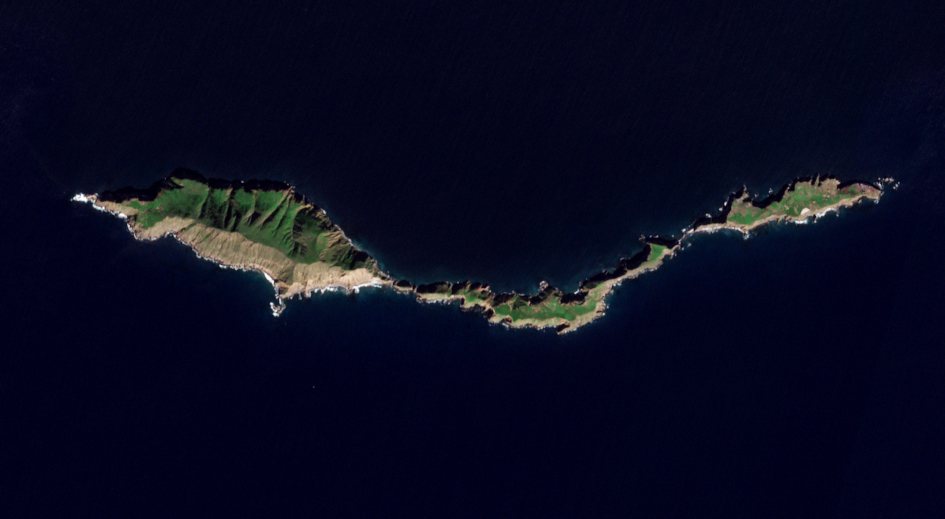
Anacapa Island, part of California's Channel Islands National Park, sits in a region where cold, nutrient-rich currents support exceptional marine biodiversity. The surrounding waters are home to kelp forests, rocky reefs, and open-ocean species, and the area has long been a focus for marine conservation and research. The new live feed adds a public-facing dimension to that work, allowing anyone with an internet connection to watch the ecosystem in real time.
operates cameras in locations ranging from the riverbanks of Katmai, Alaska, to sites in Kenya, Africa, and many points in between. The network's stated mission is to bring nature to viewers without scripts or editing, creating a direct connection between audiences and the natural world. The Anacapa Ocean camera fits that model, offering a continuous window into a marine environment that is otherwise difficult for most people to access.
For educators, the feed offers a ready-made teaching tool. Teachers can use the live stream to illustrate concepts in marine biology, ecology, and conservation, pointing to real examples of species interactions and habitat structure as they occur. For casual viewers, the appeal is simpler: the hypnotic motion of kelp fronds and the sudden appearance of fish or other animals create a compelling, meditative experience that also happens to be scientifically valuable.
The camera also highlights the importance of monitoring kelp forest health. These ecosystems are sensitive to changes in water temperature, nutrient availability, and pollution, and they can be affected by events such as marine heat waves and urchin population explosions. Continuous observation, whether by scientists or citizen viewers, can help document shifts in the forest over time and raise awareness of the pressures facing marine habitats.
encourages viewers to learn more about kelp and the animals that inhabit the marine forest through its website, where the live feed is hosted alongside additional resources. The Anacapa Ocean camera is one of several underwater feeds in the network, each focused on a different marine environment. Together, they represent a growing effort to make the ocean's hidden ecosystems visible and accessible to a global audience.
As the feed continues to run, it will capture seasonal changes, weather events, and the daily rhythms of life in the kelp forest. For now, it stands as a reminder that nature is always on, and that even a small patch of ocean off the California coast holds a world worth watching.
8