The catastrophic glacial collapse and deluge that struck Nepal and Tibet was not an isolated weather anomaly but the structural failure of a mountain itself, according to climate scientists. The disaster, which capped a summer marked by deadly heatwaves and wildfires across the Northern Hemisphere, is being described as a stark illustration of the consequences of human-caused planetary warming.
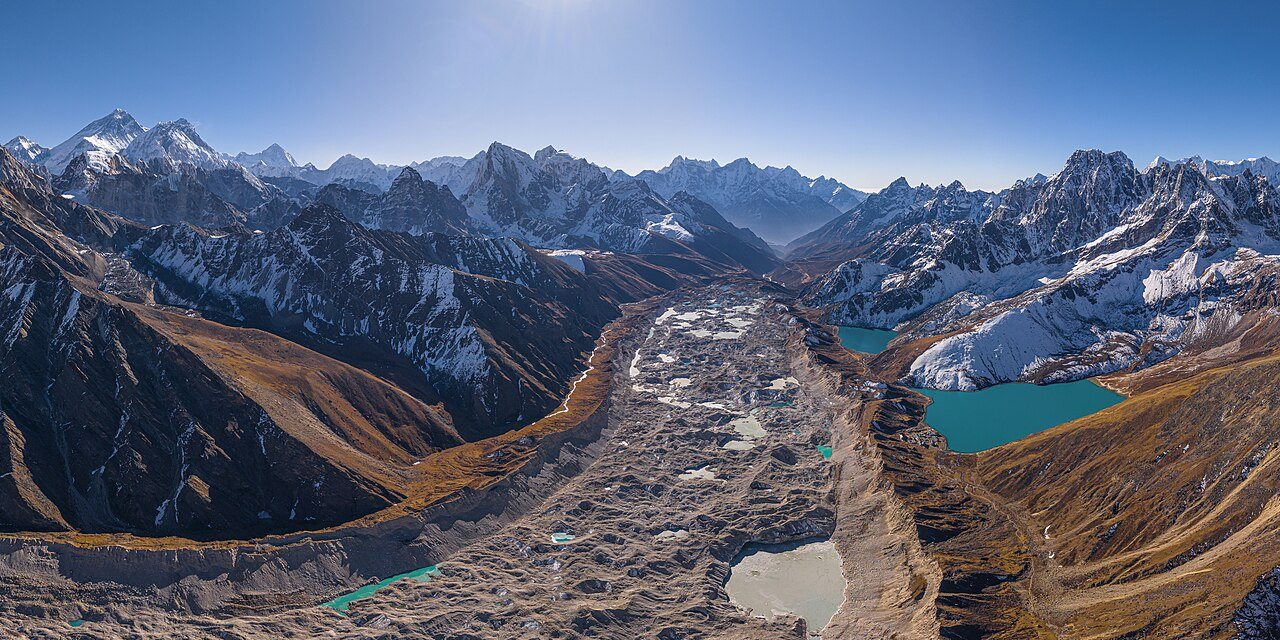
For millennia, the high peaks of the Himalayas were held together by an invisible, frozen cement — permafrost and glacial ice that bound ancient rock into seemingly unshakable fortresses. As global temperatures continue to rise, this alpine glue is liquefying, destabilizing terrain that has remained frozen for thousands of years. The result, researchers warn, is a new class of natural disaster in which mountains themselves become the source of catastrophic flooding.
The event unfolded when a massive section of glacial ice and rock gave way, sending a torrent of debris and water into valleys below. The deluge overwhelmed downstream communities, destroying homes, infrastructure, and farmland. While the full human toll is still being assessed, the disaster has underscored the vulnerability of mountain communities to the accelerating effects of climate change.
Scientists point to the collapse as a clear signal that the region has entered a dangerous new phase. The Himalayas, often called the Third Pole because of their vast stores of ice, are warming faster than the global average. Glacial retreat in the region has accelerated in recent decades, and the loss of permafrost — the frozen soil that acts as a binding agent for steep mountain slopes — is increasing the risk of landslides and glacial lake outburst floods.
The Nepal disaster was the exclamation point on a summer of extremes, illustrating with a single unnatural event the apocalyptic future that lies in store if dramatic climate action is not taken. From record-breaking heatwaves in Europe and Asia to unprecedented wildfire seasons in North America and the Mediterranean, the summer of 2026 has provided a preview of the conditions scientists have long warned would arrive if greenhouse gas emissions continue unabated.
Climate researchers emphasize that these events are not random acts of nature but predictable outcomes of a warming planet. The physical mechanisms linking rising temperatures to glacial instability are well understood: warmer air melts ice from the surface, while warmer water percolates to the base of glaciers, lubricating the rock beneath and reducing friction. When the supporting ice disappears, slopes that have been stable for millennia can fail suddenly and catastrophically.
The implications extend far beyond the immediate disaster zone. Glacial meltwater feeds major river systems across South Asia, including the Ganges, Indus, and Brahmaputra, which supply drinking water and irrigation for hundreds of millions of people. The loss of glacial mass threatens long-term water security for the region, even as the short-term risk of catastrophic flooding increases.
For the communities living in the shadow of the Himalayas, the collapse is a reminder that the mountains they have depended on for generations are changing in fundamental ways. Relief efforts are underway, but the scale of the destruction has overwhelmed local resources. International aid organizations have begun mobilizing to assist with search, rescue, and recovery operations.
The disaster has also reignited calls for urgent climate policy action. Scientists argue that every fraction of a degree of warming matters: each increment of temperature rise increases the likelihood of such events. While adaptation measures such as early warning systems and improved land-use planning can reduce risk, researchers stress that only rapid and sustained reductions in greenhouse gas emissions can address the root cause of the instability.
As the waters recede and the scale of the damage becomes clear, the Nepal glacial collapse stands as a sobering reminder of what is at stake. The invisible cement that held the world's highest mountains together is melting, and with it, the stability of entire regions is being called into question.
87