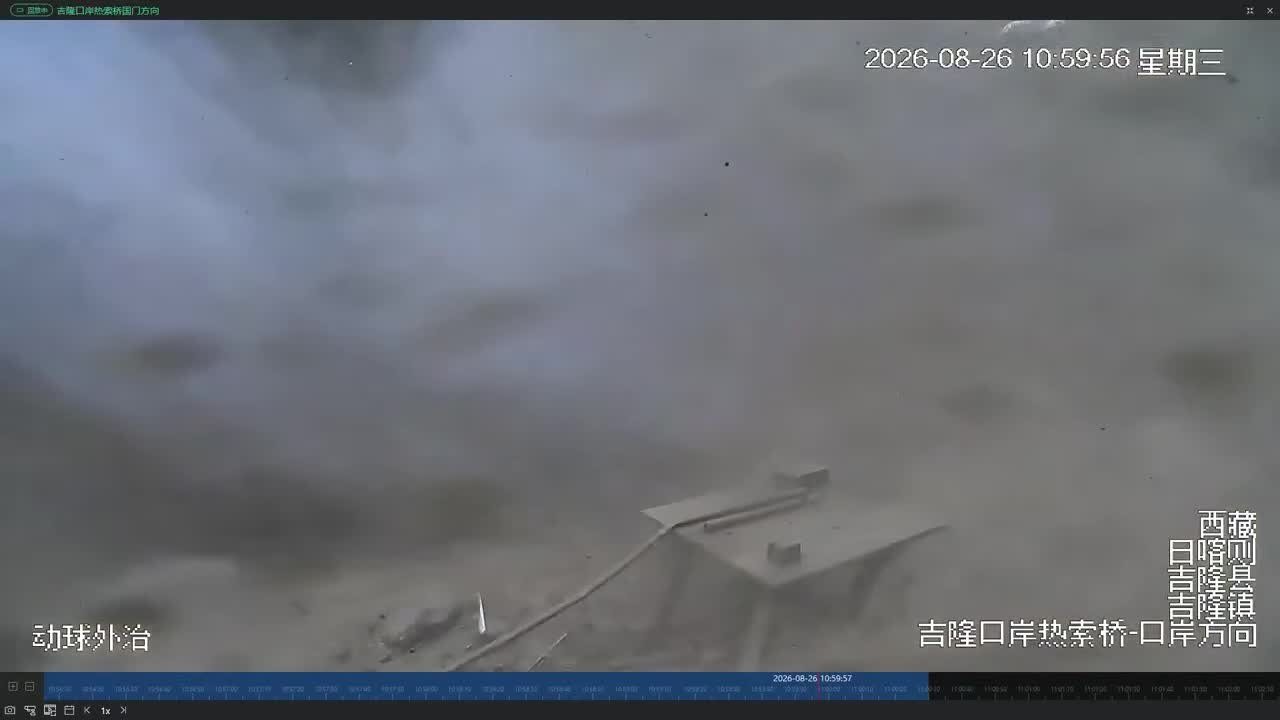
A catastrophic flash flood that thundered down valleys in Nepal, sweeping through the Lhende Khola, Bhotekoshi and Trishuli rivers, has become a stark illustration of the human cost of delayed climate action, according to a leading Nepali climate policy expert. The disaster, which struck communities near the Nepal-Tibet border, follows years of warnings from scientists and civil society that a rapidly warming planet would make such events more frequent, more intense and harder to predict.
Sunil Acharya, an international climate policy and just transition specialist based in Kathmandu, said the destruction is not merely a natural tragedy but the direct result of global heating caused primarily by wealthy states. He argued that Nepalis and Tibetans should not have to pay for that crisis with their lives, livelihoods, and public money that was meant for education and health services. The flood, he said, is what the cost of delaying global climate action looks like in real terms.
The flash flood has drawn international attention because it appears to have been triggered by a glacier collapse, a phenomenon that scientists say is becoming more common as high-altitude regions grow increasingly unstable. Research published in the journal Nature on 27 August 2026 points to global warming as a key driver of this instability, warning that it could trigger more frequent landslides and floods across the region. The study highlights how rising temperatures are destabilising mountain landscapes that have remained frozen for centuries.
For Acharya, who has worked on international climate policy for more than a decade, the images emerging from the flood zone are deeply frustrating. He noted that the scientific community and civil society groups have repeatedly warned that a warming planet would bring exactly this kind of disaster. The fact that the warnings were not heeded, he said, makes the loss of life and property even harder to accept. The flood has also raised questions about the adequacy of early warning systems and disaster preparedness in the region.
The Himalayan region is particularly vulnerable to climate change because its glaciers feed major river systems that support millions of people downstream. When those glaciers collapse or melt rapidly, they can release sudden surges of water and debris that devastate valleys within minutes. The Lhende Khola, Bhotekoshi and Trishuli rivers are part of a network that flows through densely populated areas, amplifying the impact of such events. Local authorities have been working to assess the full scale of the damage, but access to some affected areas remains difficult.
The disaster has also renewed debate about climate justice, with experts pointing out that the nations most responsible for greenhouse gas emissions are often not the ones suffering the worst consequences. Acharya emphasised that the burden of adapting to a changing climate is falling disproportionately on countries like Nepal, which have contributed very little to the problem. He called for greater international support for adaptation and resilience measures, as well as more ambitious emissions reductions from the world's largest polluters.
Scientists studying the event say it offers a preview of what may lie ahead for mountain communities around the world. As global temperatures continue to rise, the stability of high-altitude environments will remain under threat, and the risk of cascading disasters will grow. The flood in Nepal, they argue, is not an isolated incident but part of a broader pattern that demands urgent action on both mitigation and adaptation. For now, the immediate focus remains on rescue and recovery, but the longer-term question of how to prevent such tragedies is already at the centre of public debate.
99