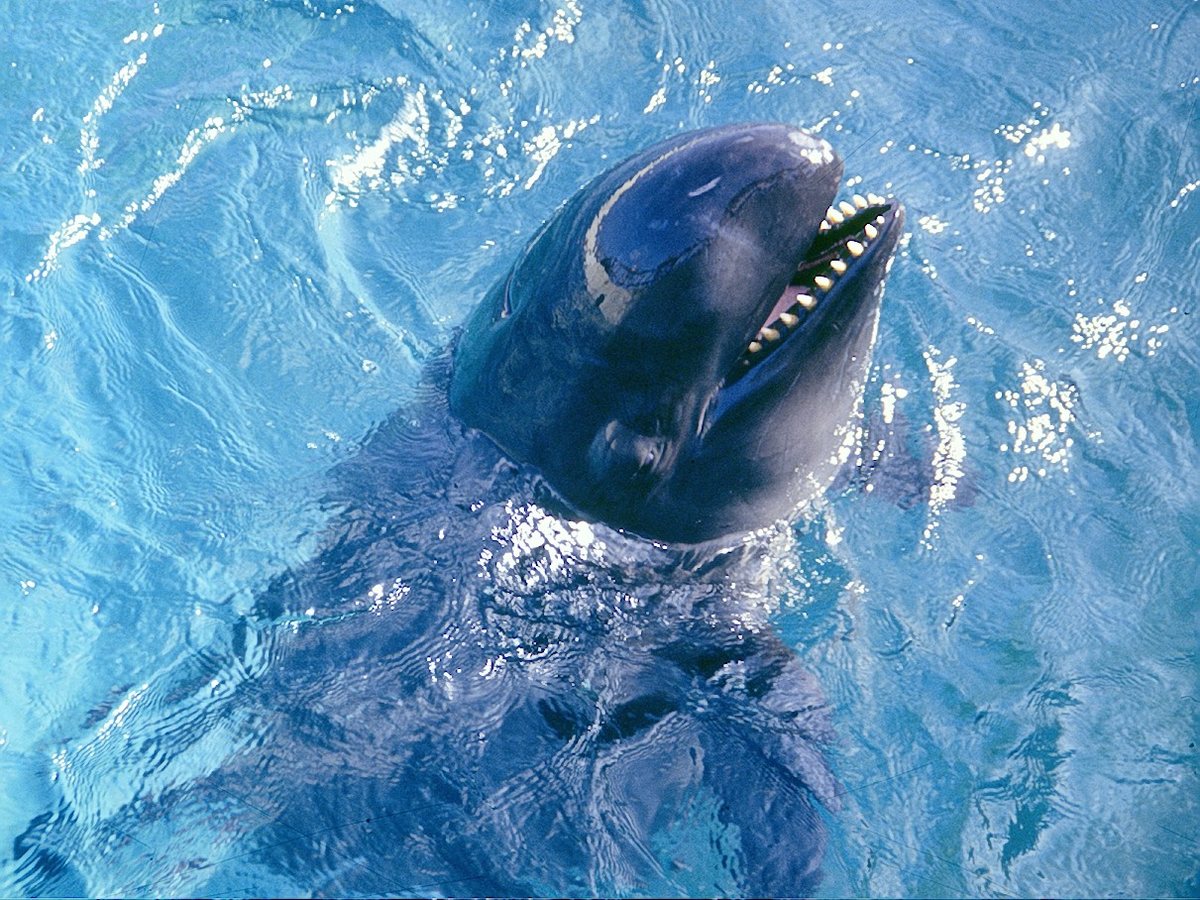
New wildlife footage from BBC Earth showcases six remarkable orca moments, offering a rare look at how these marine mammals combine intelligence, social coordination, and raw predatory skill. The sequences capture killer whales working together to outmaneuver prey, demonstrating behavior that researchers say reflects one of the most sophisticated hunting strategies found anywhere in the animal kingdom.
Orcas, also known as killer whales, are recognized among the ocean's most formidable predators. The footage illustrates how they operate not as solitary hunters but as tightly knit family groups that communicate and coordinate their movements with precision. In several scenes, individual whales appear to take on distinct roles during a hunt, a pattern that marine biologists have documented in wild populations across multiple oceans.
The social structure of orca groups, typically led by older females, is central to their hunting success. Knowledge of local prey and hunting techniques is passed down through generations, making each pod's behavior culturally distinct. The BBC Earth footage highlights this learned behavior, showing how younger whales observe and participate in group efforts, refining their skills over time.
Scientists have long studied orca intelligence, noting their ability to adapt to different environments and prey types. Some populations specialize in hunting fish, while others target marine mammals, and the techniques vary accordingly. The new footage provides additional visual evidence of this adaptability, reinforcing the view that orcas possess one of the most flexible behavioral repertoires among marine species.
The documentary material also underscores the emotional and social bonds within orca pods. Beyond hunting, the whales are seen engaging in behaviors that suggest play and social reinforcement, activities that strengthen group cohesion. These observations align with research indicating that orcas maintain long-term relationships and exhibit signs of individual recognition within their groups.
Conservationists point to the footage as a reminder of the importance of protecting ocean habitats. Orca populations face pressures from noise pollution, reduced prey availability, and changes in sea temperature, all of which can disrupt the finely tuned social behaviors that the footage captures. Understanding these behaviors, researchers argue, is essential for developing effective conservation strategies.
The BBC Earth compilation adds to a growing body of natural history documentation that has brought orca behavior to a wide audience. For scientists, each new observation offers a chance to refine models of animal cognition and social learning. For the public, the footage serves as a window into a world where intelligence and cooperation are not uniquely human traits but are shared, in different forms, across the natural world.
168