A 1,000-year archive of Pacific Ocean temperatures, drawn from corals in the Galápagos, adds fresh evidence that human-caused climate change is making El Niño events stronger. The reconstruction, published in Nature, links the recent intensification of the Pacific climate cycle to global warming and suggests the region should brace for more severe weather disruptions.
El Niño is a natural climate pattern marked by unusually warm surface waters in the central and eastern tropical Pacific. It shifts rainfall patterns across the globe, often bringing floods to parts of the Americas, drought to Australia and Southeast Asia, and disruptions to fisheries and agriculture. Scientists have long suspected that rising greenhouse gas emissions are altering the cycle, but separating the human fingerprint from natural variability has proved difficult because reliable instrumental records stretch back only about a century.
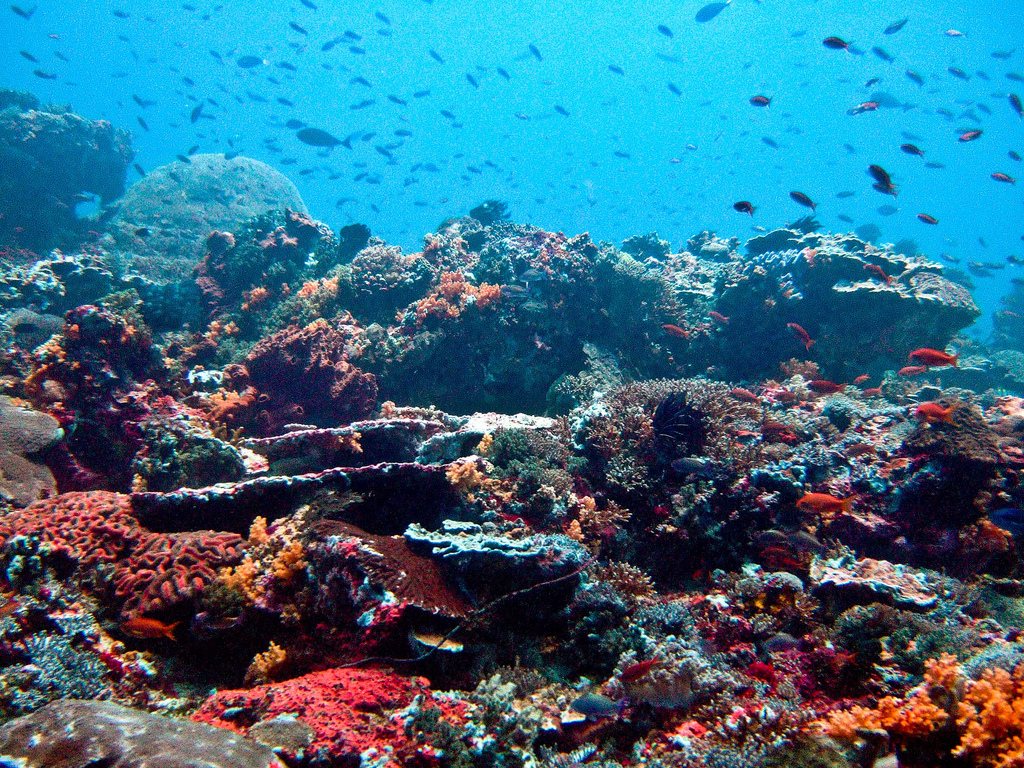
The new study extends that record tenfold. Researchers analyzed coral skeletons from the Galápagos Islands, which preserve chemical traces of sea surface temperature as they grow. Corals build their hard skeletons from seawater, and the ratio of certain elements, such as strontium to calcium, changes with water temperature. By sampling growth bands in the coral, much like tree rings, the team reconstructed temperature conditions in the eastern Pacific year by year for a full millennium.
The resulting time series shows that El Niño events in recent decades have become more intense than at any other point in the past 1,000 years. The authors attribute this trend to the background warming of the Pacific, which amplifies the temperature anomalies that define El Niño. Warmer oceans provide more energy and moisture to the atmosphere, so even a natural fluctuation can produce a stronger response when it rides on top of a warmer baseline.
The findings align with climate model projections, which have consistently suggested that greenhouse warming would intensify El Niño variability. However, models have disagreed on the details, and observational records were too short to confirm the trend. The coral archive offers a long-term benchmark against which those models can be tested, giving scientists greater confidence in their forecasts of future El Niño behavior.
The implications extend beyond the Pacific. Stronger El Niños are associated with more extreme weather worldwide, including heat waves, wildfires, and disruptions to monsoon systems. The study's authors warn that if emissions continue to rise, the region could see more frequent and more damaging events, with consequences for food security, water supplies, and public health in vulnerable countries.
The Galápagos corals are particularly well suited for this work because the islands sit in the heart of the region where El Niño's temperature signal is strongest. The site also lies near the equator, where the seasonal cycle is small, making the climate signal easier to isolate. The researchers combined data from multiple coral colonies to build a continuous record, cross-checking their results against modern instrumental measurements to ensure the reconstruction is reliable.
While the study focuses on the past, its message is forward-looking. The authors note that the current trajectory of emissions points to continued warming of the tropical Pacific, which would keep pushing El Niño events toward the upper end of their natural range. That would mean more years like the record-breaking 2015–2016 and 2023–2024 events, which brought devastating coral bleaching, floods, and droughts to different parts of the globe.
The research adds to a growing body of evidence that climate change is not just raising average temperatures but also intensifying the natural cycles that drive much of the world's weather variability. For scientists, the coral record provides a rare glimpse of how the climate system behaves on timescales that matter for planning and adaptation.
90