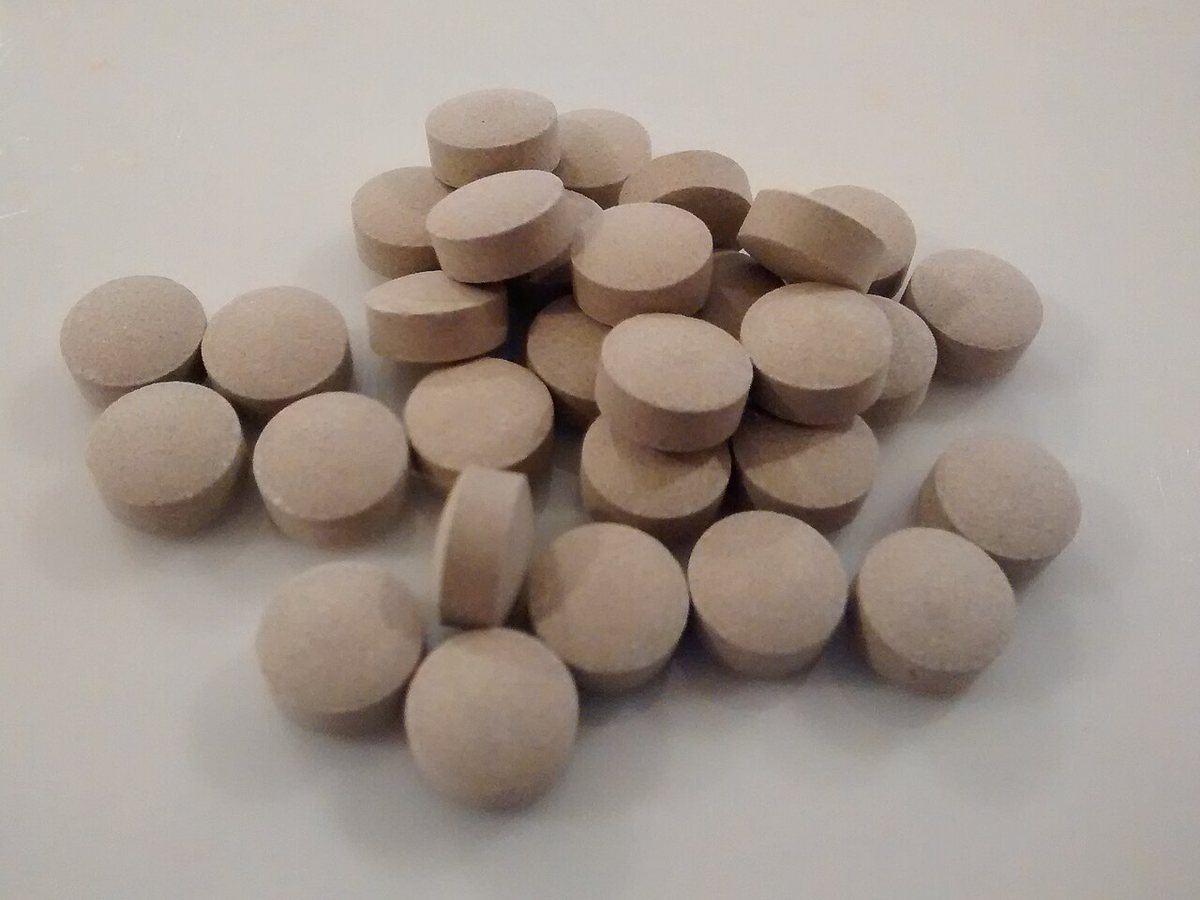
Creatine has become one of the most widely used supplements for people looking to boost their fitness and build muscle, and its popularity has now extended beyond the gym. Influencers and social media personalities are touting its potential cognitive benefits, raising questions about whether the science supports the claims. A new video from Science Official explores the evidence behind creatine, featuring insights from science editor Ian Sample and Dr Justin Roberts, professor of nutritional physiology at Anglia Ruskin University.
The video addresses the growing interest in creatine as a supplement that may not only enhance physical performance but also support brain function. While creatine is naturally found in small amounts in foods like red meat and fish, and is produced by the body, supplementation has become common among athletes and fitness enthusiasts. The discussion with Dr Roberts focuses on what the research actually shows about creatine’s effectiveness, its safety, and whether the hype is justified.
Creatine is one of the most studied supplements in sports science, with a substantial body of evidence supporting its role in improving high-intensity exercise performance and increasing muscle mass when combined with resistance training. However, the video also examines the more recent claims about cognitive benefits, which have gained traction online. Dr Roberts and Ian Sample discuss the current state of research on this topic, noting that while some studies suggest potential effects on memory and mental performance, the evidence is less robust than for physical performance.
The video also touches on the importance of understanding how creatine works in the body. It is stored in muscles as phosphocreatine, which helps regenerate ATP, the primary energy carrier in cells. This mechanism explains why creatine is particularly effective for short bursts of intense activity, such as sprinting or weightlifting. The experts caution that while creatine is generally considered safe for healthy individuals, it is not a magic solution, and its benefits depend on factors like dosage, training regimen, and individual response.
As the supplement industry continues to grow, with creatine products widely available in various forms, the video aims to provide a balanced perspective. It encourages viewers to look beyond marketing claims and consider the scientific evidence. The discussion also highlights the need for more research, particularly on long-term effects and potential benefits for different populations, including older adults and those with certain health conditions.
The video is part of Science Official’s ongoing coverage of health and wellness trends, offering readers and viewers a clear, evidence-based look at popular topics. By bringing together expert opinions and current research, it seeks to help people make informed decisions about supplements like creatine, separating fact from fiction in an increasingly crowded wellness market.
158