The conflict between the United States and Iran has entered its seventh consecutive night of exchanges, with both sides intensifying their military operations. The latest wave of strikes has targeted critical infrastructure, marking a significant escalation in the ongoing confrontation that has drawn global attention. The situation remains fluid, with reports emerging of widespread damage and a mounting humanitarian toll.
According to reports from the ground, the latest US military operations have focused on strategic assets within Iran, including energy facilities and military installations. The strikes are part of a broader campaign that has seen the US military launch multiple waves of attacks over the past week. Fox News has reported that the US military has targeted Iran with its latest wave of strikes, while Al Jazeera has documented at least 50 killed and 500 wounded in US attacks this month alone. These figures underscore the severity of the conflict, which has rapidly escalated since the initial exchanges began.
The conflict has not been limited to military targets. Reports indicate that critical infrastructure, including power grids and communication networks, has been affected, leading to disruptions in daily life for millions of Iranians. The New York Times has reported that the fighting has intensified with strikes on critical infrastructure, suggesting a deliberate strategy to degrade Iran's ability to sustain its military operations. This approach has raised concerns among international observers about the potential for a prolonged conflict and its impact on regional stability.
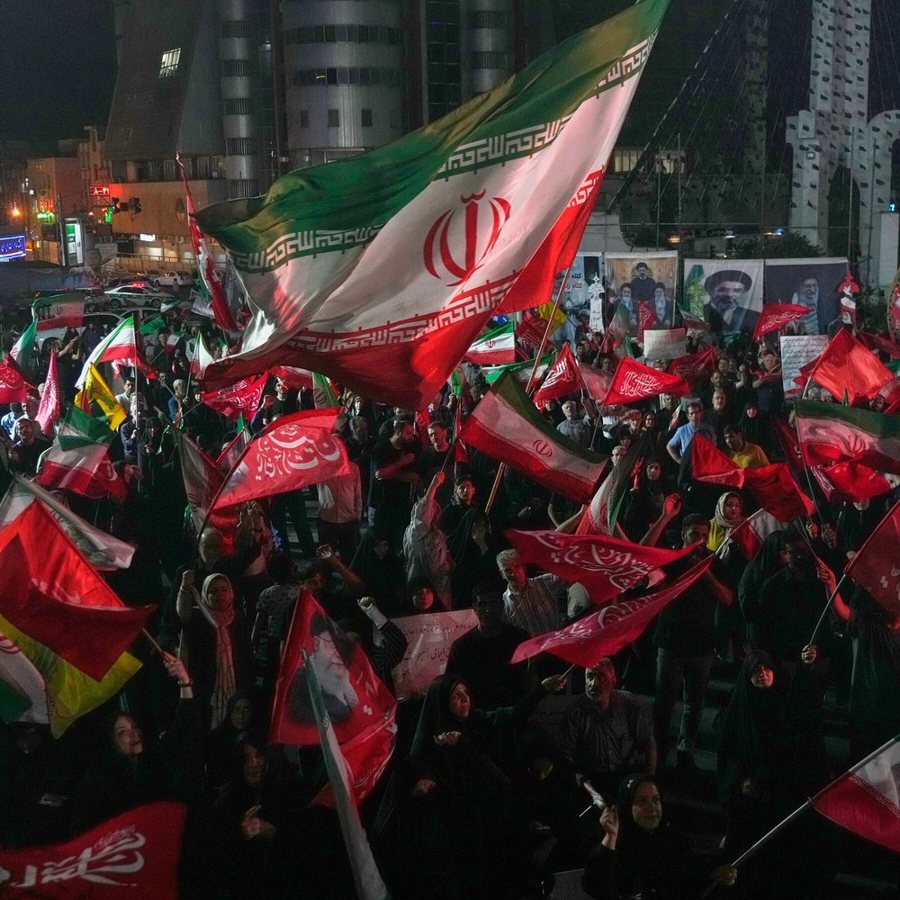
In Tehran, pro-government demonstrators gathered at a key square on Friday, signaling continued domestic support for the Iranian government amid the escalating crisis. The demonstrations, which drew significant crowds, reflect the deep divisions within Iranian society as the country faces external pressure. The gatherings also serve as a reminder of the political dimensions of the conflict, which has become a rallying point for nationalist sentiment within Iran.
The international community has reacted with alarm to the escalating violence. The United Nations has called for an immediate ceasefire, while several European nations have urged restraint on both sides. The conflict has also had significant economic repercussions, particularly in global energy markets. The Strait of Hormuz, a critical chokepoint for oil shipments, has become a focal point of the fighting, with both sides vying for control of the strategic waterway. The disruption to oil flows has sent shockwaves through global markets, with oil prices surging in response to the instability.
The humanitarian situation in Iran is deteriorating rapidly. Hospitals are struggling to cope with the influx of casualties, and there are reports of shortages of medical supplies and equipment. The 500 wounded reported by Al Jazeera represent only a fraction of the total, as many injuries go unreported due to the chaos of the conflict. International aid organizations have expressed deep concern about the ability of Iran's healthcare system to handle the crisis, particularly given the existing sanctions that have limited the country's access to medical resources.
The conflict has also had a significant impact on the broader Middle East region. Neighboring countries have been forced to contend with the fallout, including the influx of refugees and the disruption of trade routes. The fighting has also raised fears of a wider regional war, with Iran's allies in the region, including Hezbollah and various militia groups, threatening to join the conflict. The United States has responded by reinforcing its military presence in the region, including the deployment of additional naval assets to the Persian Gulf.
The origins of the current conflict can be traced back to the breakdown of diplomatic relations between the US and Iran over the past year. Tensions have been building for months, with both sides engaging in a series of provocations and retaliatory actions. The current escalation represents a significant departure from previous confrontations, which had largely been conducted through proxies and cyberattacks. The direct military engagement between the two countries marks a new and dangerous phase in their long-standing rivalry.
As the fighting continues, the prospects for a diplomatic resolution appear increasingly remote. Both sides have signaled their determination to continue the conflict until their objectives are met. The United States has stated that its goal is to degrade Iran's military capabilities and prevent it from threatening regional stability. Iran, for its part, has vowed to defend its sovereignty and retaliate against any further attacks. The international community remains divided on how to respond, with some nations calling for a negotiated settlement while others have offered support to one side or the other.
The situation on the ground remains highly volatile, with reports of continued exchanges of fire and the potential for further escalation. The coming days will be critical in determining the trajectory of the conflict and its impact on the region and the world. The humanitarian crisis is likely to worsen as the fighting continues, and the economic consequences of the disruption to global energy markets are already being felt. The world watches with bated breath as the conflict between the United States and Iran enters its second week.
93