Prime Minister Narendra Modi inaugurated the Emerging Science, Technology and Innovation Conclave 2026 at Bharat Mandapam in New Delhi, urging India to move beyond adopting foreign innovations and toward creating original technologies that set global directions. He spoke after an earlier interaction with startup founders, praising the scale of ambition among the country's young people and the confidence with which they are pursuing it.
Modi contrasted past decades, when India often caught up by adopting or modifying foreign innovations years later, with what he described as the mindset of 21st-century India. He pointed to the development of indigenous COVID-19 vaccines, which were used to inoculate the country's population and supplied to other nations, as well as India's first-attempt mission to Mars and a landing near the lunar South Pole. "India must embrace the technologies of the future, innovate boldly, and lead the world in creating them," he said.
The Prime Minister framed the vision within India's long scientific heritage, citing the invention of zero and the number system and advances in astronomy. He said the country is building on that legacy with modern technology and renewed confidence, and that several milestones over the past year demonstrate it. The speech came in the lead-up to the birth anniversary of Dr. Homi Jehangir Bhabha on October 30, and Modi opened his review of recent breakthroughs with the nuclear sector.
On nuclear energy, Modi said building a developed India requires massive generating capacity, and that reliance on imported nuclear fuel poses a challenge to energy security. He said the country is rapidly advancing its Fast Breeder Reactor technology and noted that the indigenous 500-megawatt Prototype Fast Breeder Reactor recently achieved first criticality. "This has been a major step in the direction of strengthening our long-term strengths in the field of nuclear energy," he said.
Modi also highlighted space-sector achievements this year, including an Indian space startup placing a satellite into orbit on its maiden attempt using a Made-in-India rocket, and the country mastering satellite docking capability. He said numerous domestic startups are introducing new space science solutions, with growing participation from young scientists and entrepreneurs. "Our goal is also to expand our power in critical technologies," he said.
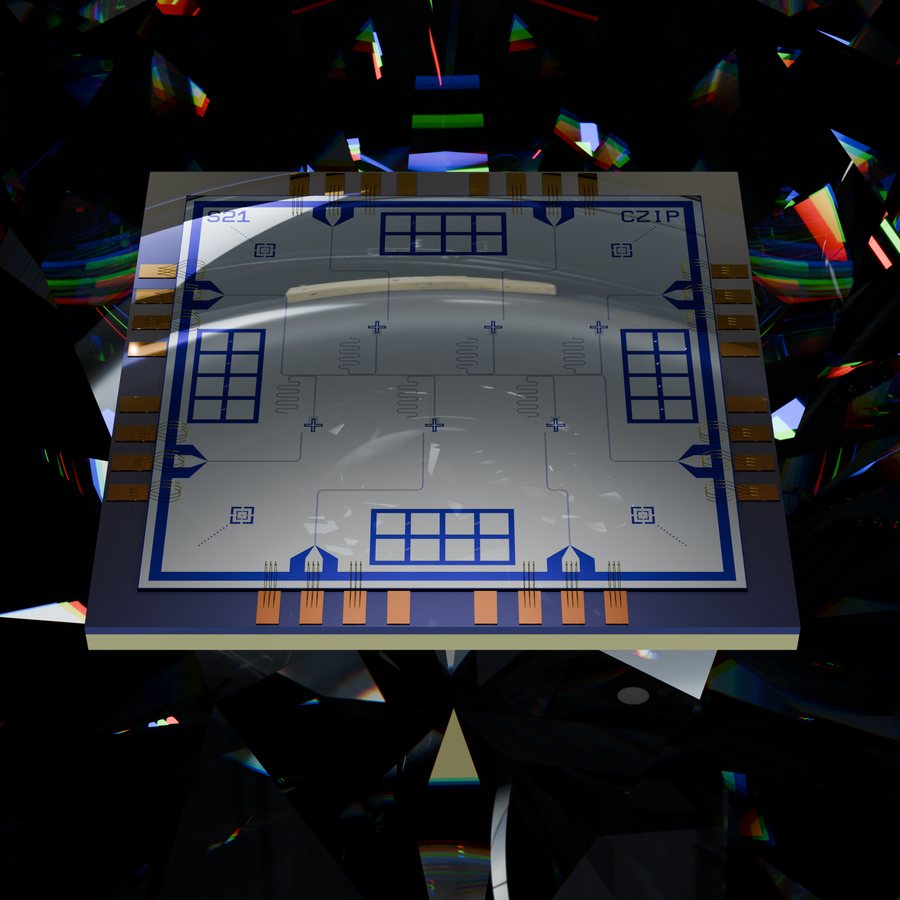
Describing the breadth of India's multi-sector progress as unprecedented, the Prime Minister noted that the country hosted the AI Impact Summit this year, launched its own AI model, and began shipping India-made semiconductor chips abroad. He also said the nation is building battery storage capacity based entirely on domestically available raw materials. Modi argued that these distinct sectors collectively signal rising strength in emerging technologies, and he spoke of India's capacity to deliver "Solution at Scale" so that domestic breakthroughs can address global problems.
Pointing to the Digital Stack and indigenous 5G technology, he emphasized the ongoing push to build secure platforms that can reach people at population scale. He also set out a philosophy that contrasts with the historical tendency to treat science and technology as weapons, saying India uses them to serve humanity. In his view, the real success of science lies in leaving the laboratory to improve ordinary lives in healthcare, agriculture, education, employment and disaster resilience.
Modi cited startups and domestic firms working on wearable EEG technology to understand brain activity, indigenous wireless and satellite communications, specialized nutritional products, new semiconductor technologies, and ways to use industrial waste such as steel slag. "The real success of science occurs when it steps out of the lab and makes the life of the common citizen better," he said. He also recalled inaugurating a modern Brain Centre at IIT Madras in Chennai, which has created a brain imaging platform for producing high-resolution digital 3D images of the human brain. He concluded that "Science for Society" and "Technology for Transformation" should serve as the benchmark for scientific progress, and he closed by linking national technological self-reliance to robust research, invoking his slogan Jai Vigyan, Jai Anusandhan.
14