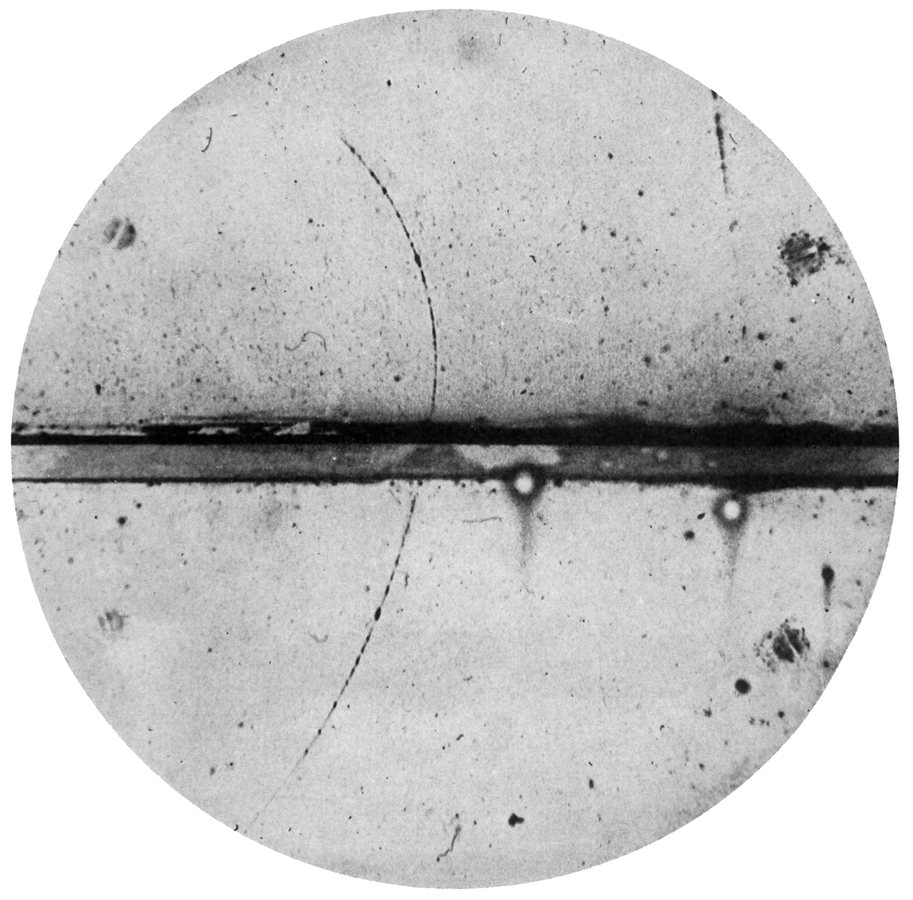
Physicists have held a single positron, the antimatter twin of the electron, in a trap isolated from ordinary matter. The positron was cooled to temperatures close to absolute zero before being confined, a feat that lets scientists study antimatter with a precision that was previously out of reach.
The goal of the work is to make the most exact comparison yet between matter and antimatter. Researchers want to look for any difference between the electron and the positron. Such a difference, if it exists and is measurable, could point to gaps in the Standard Model, the framework that describes the known particles and forces.
The stakes are large. The Big Bang should have produced equal amounts of matter and antimatter, which would have annihilated one another, leaving little behind. Yet the universe is built from matter, and a small asymmetry between the two is one of the leading candidate explanations for why matter survived. A measurable electron-positron difference could be a clue to that imbalance.
It is not yet known whether the experiment will find any difference at all. The trap and cooling techniques are a necessary first step, and the measurements that follow will determine whether the comparison produces a result. The report comes from a physics research team describing its experiment, and the outcome remains open.
Credit. Based on reporting for ScienceDaily. Is this your work? Write to us.
10