Scientists have developed a new quantum sensor that uses DNA nanotechnology, a concept that could eventually allow researchers to observe biological activity deep inside the body with greater precision. The work, reported by the science magazine Physics World, points to a possible new tool for bioimaging.
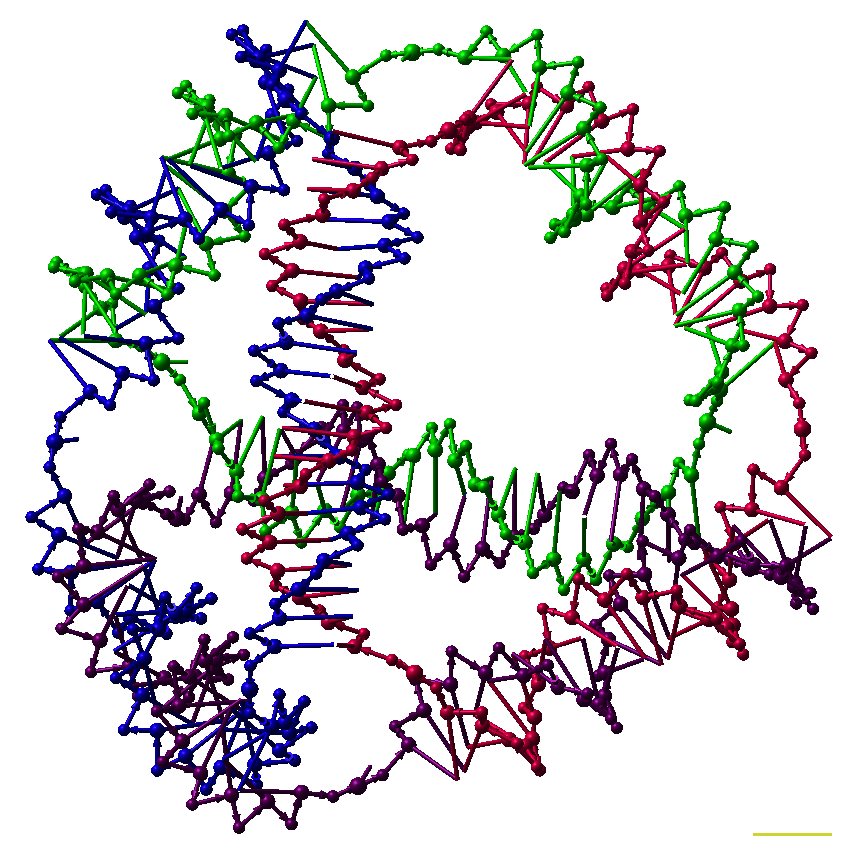
The device relies on DNA structures as its scaffold. Rather than using conventional materials to hold the sensing elements, the design takes advantage of the way DNA molecules can be engineered to assemble into precise shapes. That structural control is central to the sensor's concept, since it allows the quantum components to be positioned with a high degree of accuracy within a tiny framework.
According to the reporting, the sensor could be used to image biological processes inside organs and tissues. Such imaging would give scientists a closer view of how cells and tissues behave in real time, an area where existing methods often face limits in resolution or sensitivity. The report also suggests the technology may go further, potentially enabling researchers not only to observe these processes but to influence them.
It is important to note the limits of what is currently known. The coverage available is a brief overview, and the full technical details, including performance measurements and testing, were not provided. The claims about how well the sensor works and how mature it is therefore remain unverified. Any move from a promising design to a practical medical or research tool would require further experiments and independent confirmation.
For now, the development stands as an early example of how nanotechnology and quantum sensing might be combined to address questions in biology and medicine. Researchers and readers alike will be watching for the detailed findings that would show whether the approach can deliver on its potential.
Credit. Based on reporting by Sharon Ann Holgate for Physics World. Is this your work? Write to us.
24