France has become one of the clearest national examples of the learning decline captured by PISA 2025. Fifteen-year-old students scored 458 points in mathematics and 456 in reading, the country’s lowest results in those two subjects since the Programme for International Student Assessment began in 2000. Science held up better at 483 points.
The finding comes from the largest PISA round yet. More than 760,000 students in 91 countries and economies took part in the 2025 assessment, which is designed to test how well 15-year-olds can apply knowledge in science, mathematics and reading to unfamiliar or real-world problems. France’s sample included 6,501 students from 289 schools and represented roughly 768,200 students of that age.
The scale matters because PISA is not a simple league table. It is a comparative measurement exercise using standardized tasks, sampling procedures and proficiency levels to describe what populations of students can do. The French results therefore provide evidence of a system-level change, but they do not by themselves identify a single cause.
The proficiency distribution is particularly important. In France, 64% of students reached at least Level 2 in mathematics and 67% did so in reading. At Level 2, students are expected to handle basic applications of knowledge rather than only recall isolated facts. Just 5% of French students were top performers in mathematics, and 5% were top performers in reading. That combination points to pressure both around minimum competence and at the high-performing end.
France is not declining in isolation. OECD-average performance in the core subjects reached record lows in PISA 2025, and roughly one in five students across OECD countries were low performers in all three domains. This wider pattern is scientifically useful: it reduces the likelihood that France’s fall can be explained solely by a country-specific curriculum change and encourages researchers to examine broader shifts in how adolescents learn, read, attend school and use digital tools.
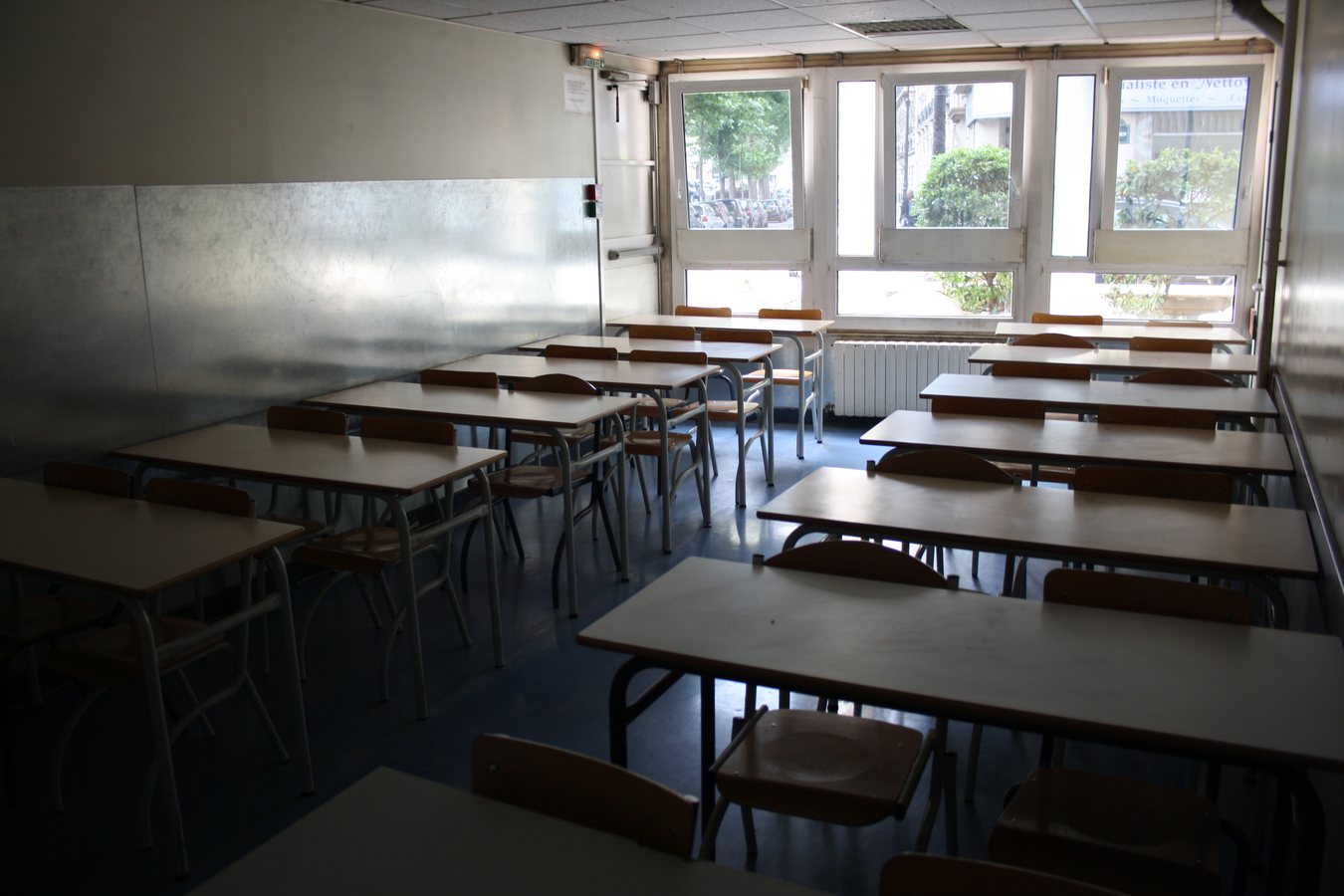
The French country note adds several environmental indicators. Forty-seven percent of students reported noise and disorder in most or every science lesson, compared with an OECD average of 31%. Thirty-seven percent said classmates do not listen to what the teacher says, versus 29% across the OECD. Parent-reported support also appears to have weakened from the student perspective: 63% of French students said parents asked at least weekly what they had done at school, down from 74% in 2022.
These variables are associations, not proof of causation. A noisy classroom can make learning harder, but students who are disengaged may also perceive the classroom differently. Reduced parental check-ins may reflect changing family routines, increasing adolescent autonomy or other pressures. PISA is strongest when it identifies patterns that can be investigated further, rather than when its correlations are turned into simple explanations.
French Education Minister Édouard Geffray has responded by arguing that the country needs to reconsider the collège stage of schooling and by setting out a longer-term strategy to raise attainment. That policy response will create a natural experiment of sorts over the coming years: changes in curriculum, school organization, classroom climate and learning support can be compared with future national and international assessments.
The next scientific question is not merely whether France climbs a ranking. It is whether the distribution shifts: fewer students below basic proficiency, more students capable of advanced reasoning, and a classroom environment that supports sustained attention. PISA 2025 has established the baseline. The harder work is determining which interventions can change it without mistaking correlation for cause.
250