Researchers have discovered a way to turn notoriously difficult-to-recycle PVC plastic into a key ingredient used in high-performance lubricants such as engine oil. The technique could give mountains of plastic waste a valuable second life while making lubricant production more sustainable.
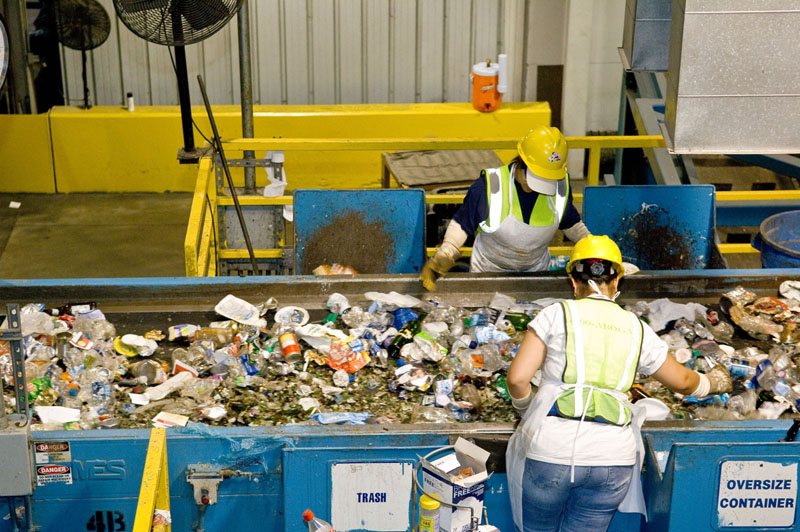
Polyvinyl chloride, commonly known as PVC, is one of the most widely used plastics in the world, found in pipes, window frames, flooring, and countless other products. Yet it is also one of the hardest plastics to recycle due to its high chlorine content and the release of harmful chemicals when heated. Most PVC waste ends up in landfills or incinerators, contributing to environmental pollution.
The new process, developed by a team of scientists, converts PVC into a chemical compound that serves as a base for high-performance lubricants. These lubricants are essential for reducing friction and wear in engines and machinery, improving efficiency and extending equipment life. The resulting product is said to match or even exceed the performance of conventional lubricants derived from petroleum.
The breakthrough addresses two pressing challenges at once: reducing plastic waste and reducing reliance on fossil fuels for lubricant production. By turning a problematic waste stream into a valuable resource, the method aligns with circular economy principles, where materials are reused and repurposed rather than discarded.
The researchers note that the process is scalable and could be adopted by the recycling industry. While further development is needed to optimize the technique for industrial scale, the potential is significant. If successful, it could divert substantial amounts of PVC from landfills and create a new revenue stream for recyclers.
The study highlights the importance of innovative chemistry in solving environmental problems. By finding new uses for materials that are currently difficult to manage, scientists are opening doors to more sustainable industrial practices. The work also underscores the role of research in developing alternatives to petroleum-based products, which is crucial for reducing greenhouse gas emissions and mitigating climate change.
While the immediate application is in lubricants, the underlying approach could potentially be adapted to other types of plastic waste, offering a broader solution to the global plastic pollution crisis. The researchers are optimistic about the future, but caution that more work is needed to fully realize the potential of this technology.
This development comes at a time when plastic waste is a growing concern worldwide. According to recent estimates, only a small fraction of plastic waste is recycled, with the rest ending up in landfills or the environment. Innovations like this one are essential for creating a more sustainable future.
The findings were published in a scientific journal and have been met with interest from both the academic community and industry. The next steps involve scaling up the process and conducting further tests to ensure the lubricant meets industry standards.
In the meantime, the research serves as a reminder that what we often see as waste can be a valuable resource if we have the right tools and knowledge to unlock its potential.
72