Two separate claimed proofs of the Riemann hypothesis, one of the most famous unsolved problems in mathematics, have prompted intense interest among researchers. One of the proofs was reportedly produced with the help of artificial intelligence, while the other was written entirely by human mathematicians.
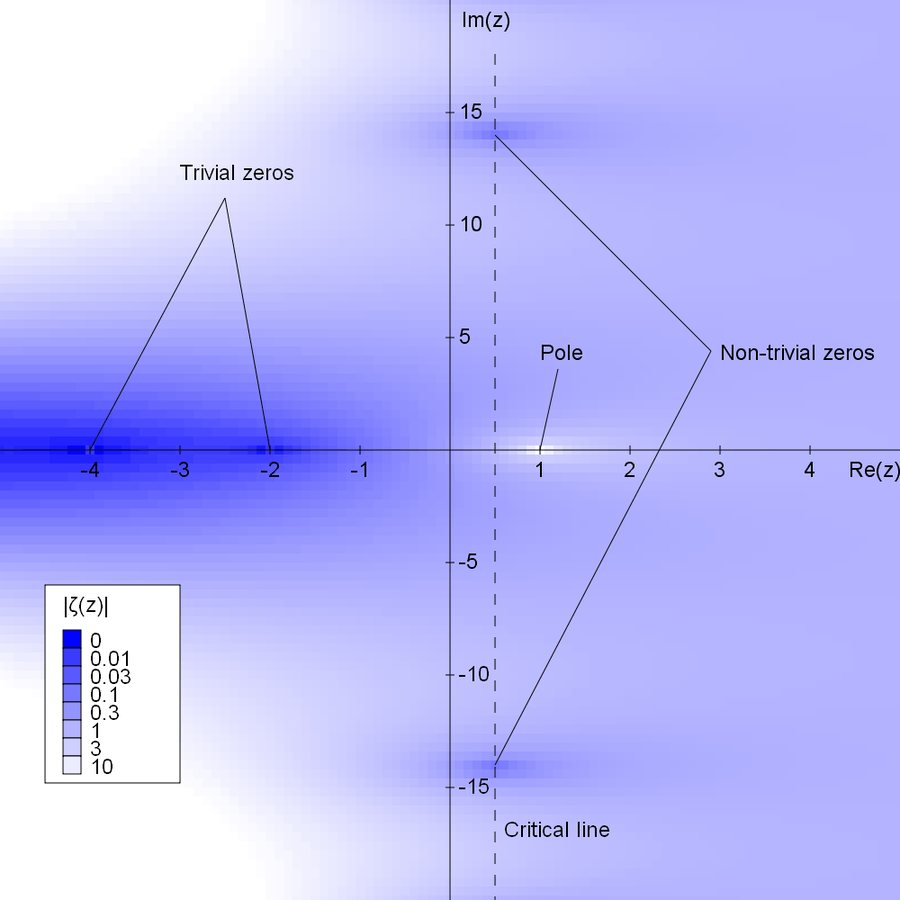
The Riemann hypothesis, first proposed in 1859, concerns the distribution of prime numbers and the zeros of the Riemann zeta function. It is one of the Millennium Prize Problems, and a correct proof carries a prize of one million dollars from the Clay Mathematics Institute. Because so many results in number theory and related fields depend on it, a valid proof would have wide consequences across mathematics.
Nature, which reported the claims in a news item published on 25 November 2026, stresses that the proofs remain unconfirmed. Experts quoted in the reporting say both submissions will need careful checking before the mathematical community can accept them. At the time of publication, the verification status of neither proof had been established.
The reporting also notes that the story arrived amid other news from the COP31 climate conference, a reminder that the scientific agenda often competes for attention with global policy debates. For now, the key question is whether either argument will survive the scrutiny that every claim on this problem has faced for more than a century and a half.
Credit. Based on reporting by Nick Petrić Howe and Maren Hunsberger for Nature. Is this your work? Write to us.
24