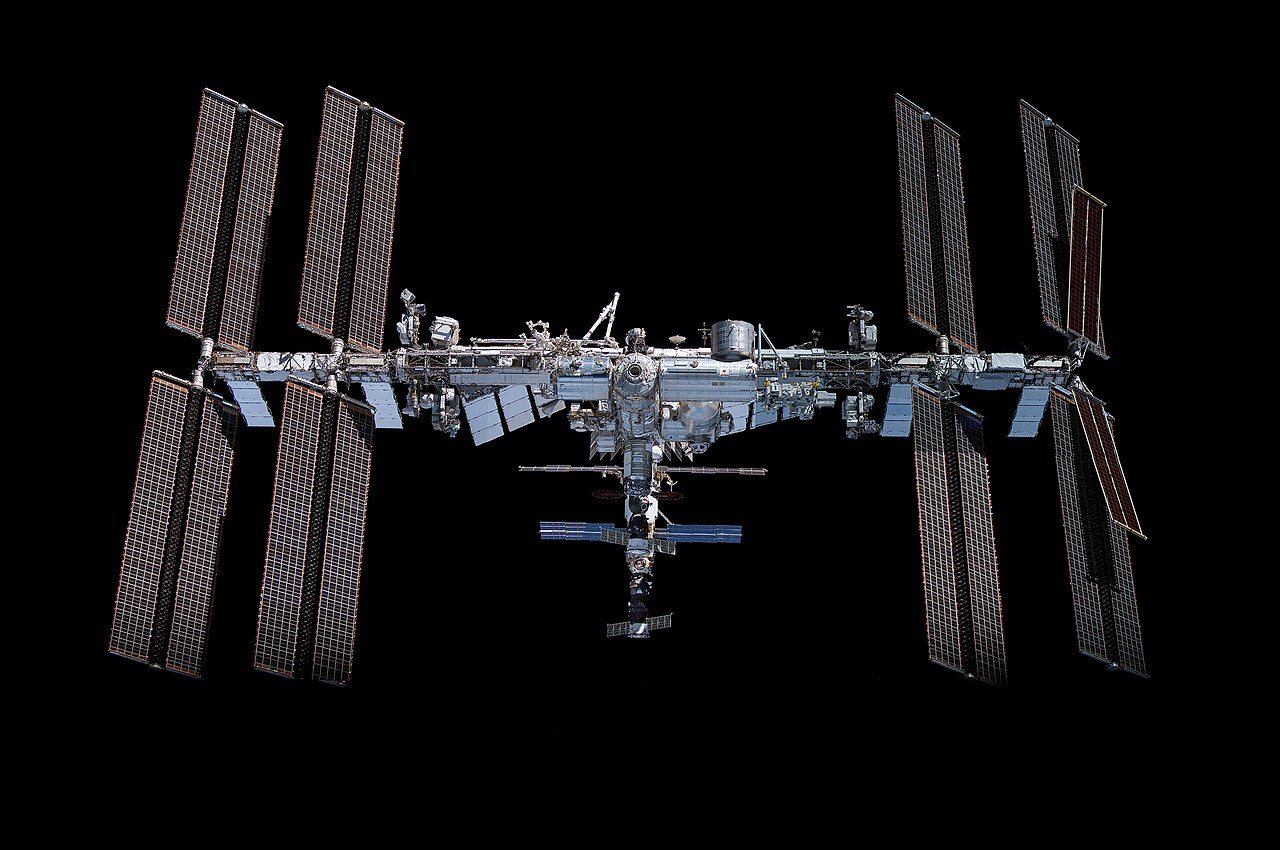
University of Florida researchers are using the International Space Station to examine how a plant disease behaves once it leaves Earth. Their experiment, known as MVP-Plant-02, deliberately infects plants with a fungus while they are in orbit, allowing the team to observe the infection under conditions that cannot be reproduced on the ground.
The central question is whether the fungus becomes more aggressive in microgravity. Plant diseases can cause serious losses for farmers and food systems, so understanding how an infection develops in an unusual environment is a practical concern as well as a scientific one. If a pathogen spreads faster or more destructively without gravity, that knowledge could eventually inform how crops are protected during long-duration spaceflight, and possibly how agricultural threats are understood on Earth.
The experiment is part of a broader effort to study living systems in space, where researchers can separate the effects of gravity from other variables that normally shape plant health. Microgravity is one of the few conditions that can change the balance between a host plant and a pathogen, which makes it a useful setting for basic research on disease.
The available information describes the experiment's premise but does not yet report results, sample sizes, or a timeline for conclusions. The fungal species and the plant host have not been identified in the material released so far. Researchers will need to analyze the samples after they return to Earth before any firm findings on the fungus's behavior can be drawn.
Credit. Based on reporting for Space Botany. Is this your work? Write to us.
41