Researchers at Virginia Tech have developed a method that turns discarded polyvinyl chloride, or PVC, into an ingredient for high-performance engine oil. The work, reported by the university, offers a new way to put one of the most stubbornly unrecyclable plastics to productive use.
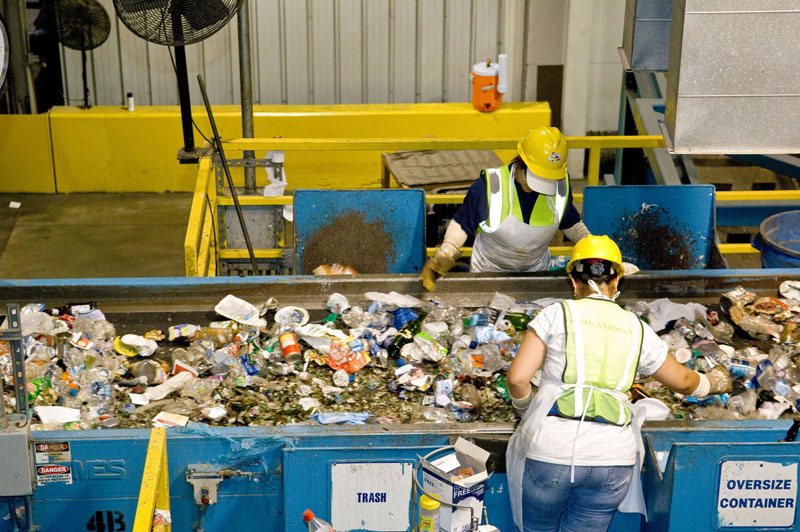
PVC is widely used in pipes, cables, flooring and packaging, yet it is among the hardest plastics to recycle. Much of it ends up in landfills or in the environment, where it adds to the growing problem of plastic pollution. Turning that material into a useful industrial product would give waste a second life rather than letting it accumulate.
According to the reporting, the process takes discarded PVC as its raw material and converts it into a lubricant component in about three hours. The resulting output is described as a high-performance engine oil ingredient, which means it is aimed at a demanding commercial application rather than a low-value byproduct.
The approach could also make lubricant production more sustainable, since it relies on waste feedstock instead of entirely new petroleum-based inputs. That shift matters for an industry that consumes large volumes of oil-derived materials every year.
Important questions remain unanswered. The reporting does not describe how the method would perform at commercial scale, nor does it provide figures on production costs or yields. Those factors will determine whether the process can move from the laboratory into routine industrial use.
Credit. Based on reporting for ScienceDaily. Is this your work? Write to us.
49