Europe's commercial launch sector is accelerating after a September run of advances, led by Isar Aerospace reaching orbit on its second Spectrum flight from Andøya Spaceport in Norway on Sept. 5. The mission delivered commercial and educational CubeSats and marked the first successful orbital launch by a private European commercial company from continental Europe.
The flight also set a propulsion precedent: Spectrum became the first rocket anywhere to reach orbit using a propane and liquid oxygen mix. Isar said the mission, named «Onward and Upward,» achieved MaxQ, stage separation, second-stage engine ignition, fairing separation, orbit insertion, and transfer orbit injection. The success cleared a mandatory milestone in the European Space Agency's European Launcher Challenge, which requires participants to reach orbit by 2027.
The UK government published a new Space Strategy with headline funding of £7.8 billion, about $10.6 billion, through 2030. The package emphasizes spaceport infrastructure rather than a sovereign UK rocket, including £148 million, roughly $200 million, for European rocket programs through ESA. It looks to German companies Rocket Factory Augsburg and HyImpulse to provide the UK with «assured access to space,» a shift from last year's talk of British rockets carrying British satellites from British soil.
Since then, UK launch hopeful Orbex collapsed, leaving four companies in the Launcher Challenge. Scotland's Skyrora continues development but is not in the challenge, and its first orbital attempt remains some way off. For now, Britain's path to orbit runs through Germany.
SaxaVord Spaceport, on Unst in the Shetland Islands, will receive two additional launch pads and a second hangar under a £30 million investment from the strategy, matched by the same amount from private investors. The site is intended to host Rocket Factory Augsburg's RFA ONE on the UK's first vertical orbital launch. Timing is less certain after a successful week of pad testing in July was followed by a vehicle issue serious enough for RFA to destack the rocket. No launch date has been set.
Spanish launch provider PLD Space announced Miura 9, another vehicle in development under the European Launcher Challenge. The company said the rocket will introduce reusable technology in Europe to support a higher launch cadence and lower operating costs. Miura 9 is an evolution of Miura 5 in its Block 1.2 configuration, first unveiled in October 2024, and is designed to lift 1,500 kilograms to Sun-synchronous orbit from the spaceport in French Guiana.
The first stage will fly nine TEPREL engines. The vehicle will stand 42 meters tall and measure three meters in diameter, making it larger than other small-lift challengers such as RFA One, Spectrum, and PLD's own Miura 5. The partially reusable design includes a recoverable first stage with grid fins and landing legs for a propulsive landing. Experience from Miura 9 is expected to feed into the larger Miura Next family, which ranges from a single-stick variant to a super-heavy configuration with four reusable boosters around a reusable center core. Miura Next is also planned to carry PLD's Lince crew and cargo capsule.
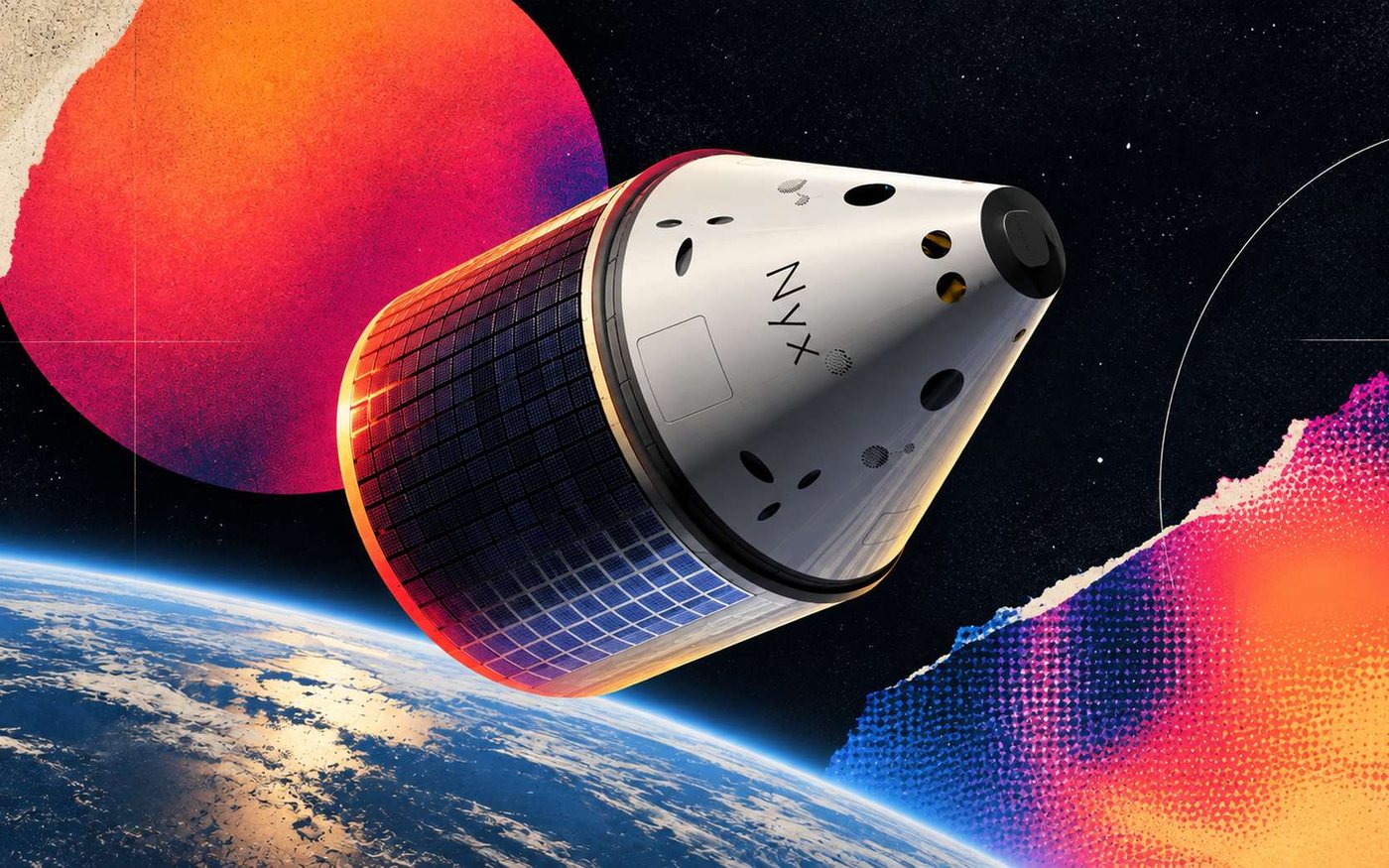
The Exploration Company closed a $450 million Series C round, reported as the largest Series C ever raised by a European space company. The funding is intended to take Nyx, the company's reusable cargo capsule, to a first demonstration flight in 2028 and to develop Storm, a reusable full-flow staged combustion engine burning biomethane and liquid oxygen. Storm is aimed at a future European super-heavy launcher. The company briefly showed images of a Yrene vehicle with nine Storm engines on its website before removing them. The Exploration Company said it now holds more than $2 billion in contracts and commitments. The firm was founded five years ago.
One day after the raise, ESA awarded the company a €760 million contract, about $884 million, under ALADDIN, Autonomous LEO Accelerated Demo Docking to ISS Node, beating Thales Alenia. The program is ESA's effort to give Europe its own cargo-return capability to the International Space Station. Of that total, €310 million covers a demonstration mission launching on Ariane 6, with Nyx targeting an ISS docking attempt as early as 2029, close to the station's planned retirement. The remaining €450 million is optional.