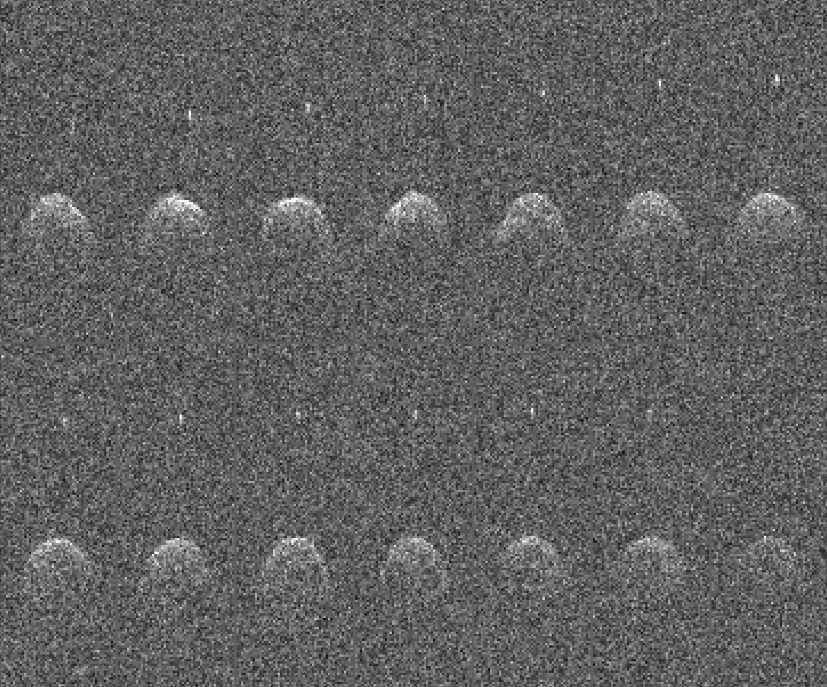
The European Space Agency's Hera spacecraft has photographed a crater roughly the size of a sports stadium on Dimorphos, the small asteroid that NASA deliberately struck in 2022. The find offers the first close look at the physical scar left by humanity's first planetary defence experiment, which tested whether a spacecraft could nudge an asteroid off course.
Hera, which has now reached the asteroid's vicinity, is surveying the damage to measure how the collision reshaped the surface of the rock. Mission scientists are using the spacecraft's instruments to understand how much the impact changed Dimorphos as a whole. Hera was reported to be about 25 kilometres from the asteroid at the time of the latest reports, positioning it for detailed observations.
The DART mission slammed into Dimorphos four years ago at high speed, in a test designed to show whether kinetic impact could alter the path of a potentially hazardous space object. Researchers have long said that the outcome would be valuable knowledge for protecting Earth should a dangerous asteroid ever be found on a collision course. The crater observed by Hera is a direct physical record of that encounter, transforming a landscape that was previously known only from distant images.
Significant questions remain. Details of the crater's exact depth and dimensions have not yet been released, and it is still uncertain how much the impact altered Dimorphos's orbit around its larger companion asteroid. Full results from the Hera survey are still to come, and they are expected to refine scientists' understanding of how effective the technique could be in a real emergency.
Credit. Based on reporting for ESA Top News. Is this your work? Write to us.
20