The James Webb Space Telescope has completed a sweeping survey of 72 stars in a nearby star-forming region, providing astronomers with the clearest view yet of how quickly planets take shape. The observations show that planet formation is a race against time, with disks of gas and dust around young stars evolving far more rapidly than earlier models suggested.
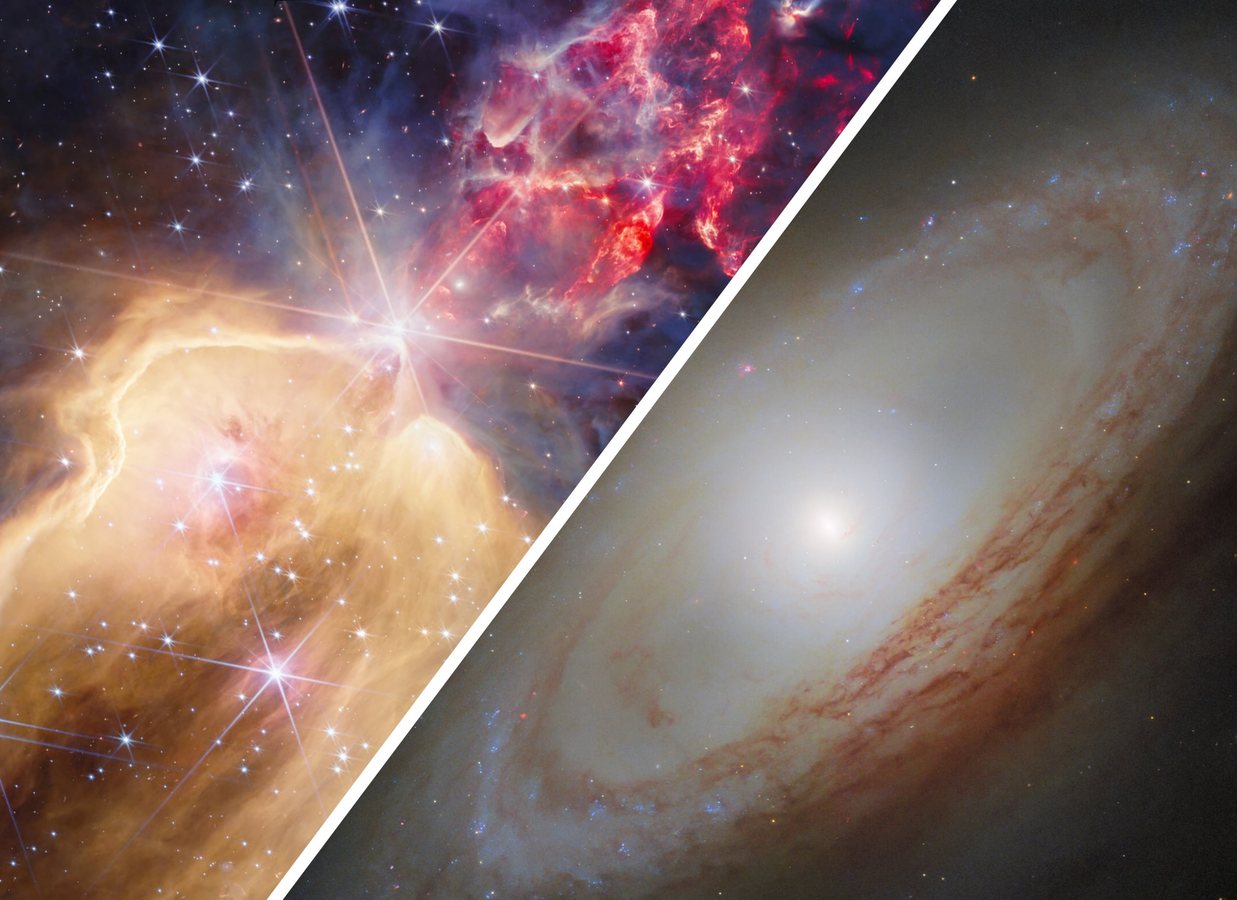
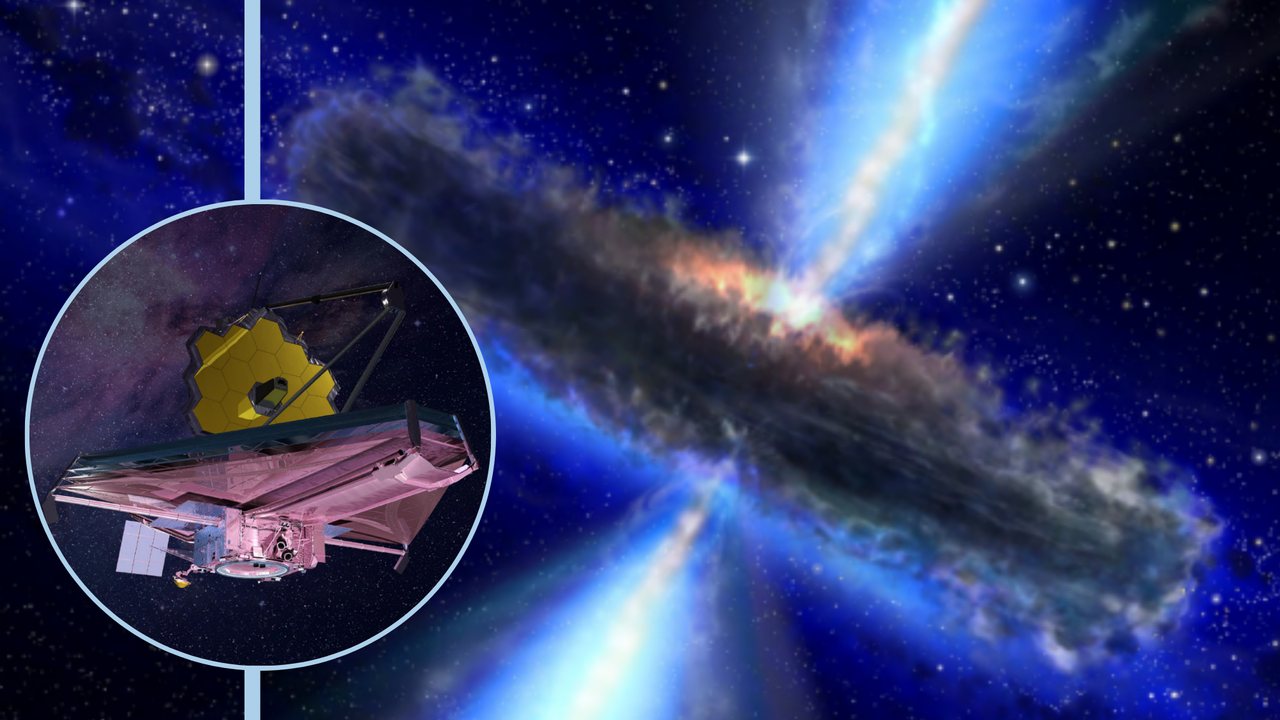
Using the telescope’s infrared instruments, researchers examined the disks surrounding these stars, which are located in a stellar nursery known for its dense concentration of newborn suns. The survey captured a wide range of disk structures, from thick, massive disks still rich in material to thin, depleted ones already nearing the end of their planet-building phase. This spread of conditions allowed the team to reconstruct the timeline of disk evolution and, by extension, the pace at which planets can form.
The findings indicate that the process of planet formation is not a slow, steady accumulation over millions of years. Instead, the disks appear to lose their building blocks quickly, with significant changes occurring within a few million years of a star’s birth. This compressed timeline means that planets must assemble early, while the disk still contains enough gas and dust to feed their growth. The results challenge existing theories that assumed a more leisurely pace for planetary assembly.
One of the most striking aspects of the survey is the diversity among the 72 disks. Some stars show clear signs of gaps and rings, structures often interpreted as the footprints of planets already carving their paths through the disk. Others display smooth, featureless disks, suggesting that planet formation has not yet begun or has already concluded. By comparing these different stages, the researchers were able to piece together a sequence of events that leads from a pristine disk to a fully formed planetary system.
The observations also shed light on the role of the surrounding environment. The star-forming region itself is crowded, with massive stars emitting intense radiation that can erode nearby disks. This external pressure may accelerate the dispersal of disk material, adding to the urgency of planet formation. The team noted that disks closest to the most massive stars appear more depleted, hinting that environmental factors play a significant role in determining whether planets can form at all.
These results have broader implications for understanding the origins of planetary systems, including our own. If planet formation is as rapid as the new data suggest, then the architecture of a system is largely set within the first few million years of its existence. Later events, such as collisions or gravitational interactions, may reshape the system, but the fundamental building blocks are established early on.
The research team plans to follow up with more detailed observations of individual disks, aiming to identify the specific mechanisms that drive the rapid evolution. They also hope to expand the survey to other star-forming regions, testing whether the pace of planet formation varies depending on local conditions. The James Webb Space Telescope, with its ability to peer through dusty veils and capture infrared light, is expected to remain at the forefront of this investigation for years to come.
For now, the message from the 72 stars is clear: planets do not dawdle. They form in a hurry, racing against the inevitable dissipation of the very material that gives them life. The new findings, published in a leading astronomical journal, mark a significant step forward in the quest to understand how planetary systems come into being and why they look the way they do.
94