A Philadelphia-based entrepreneur has won $300,000 in NASA's Deep Space Food Challenge for designing a food production system intended to sustain astronauts on future missions to Mars. The award recognizes innovations that could allow crews to grow fresh food in the confined, resource-limited environment of a spacecraft during years-long journeys.
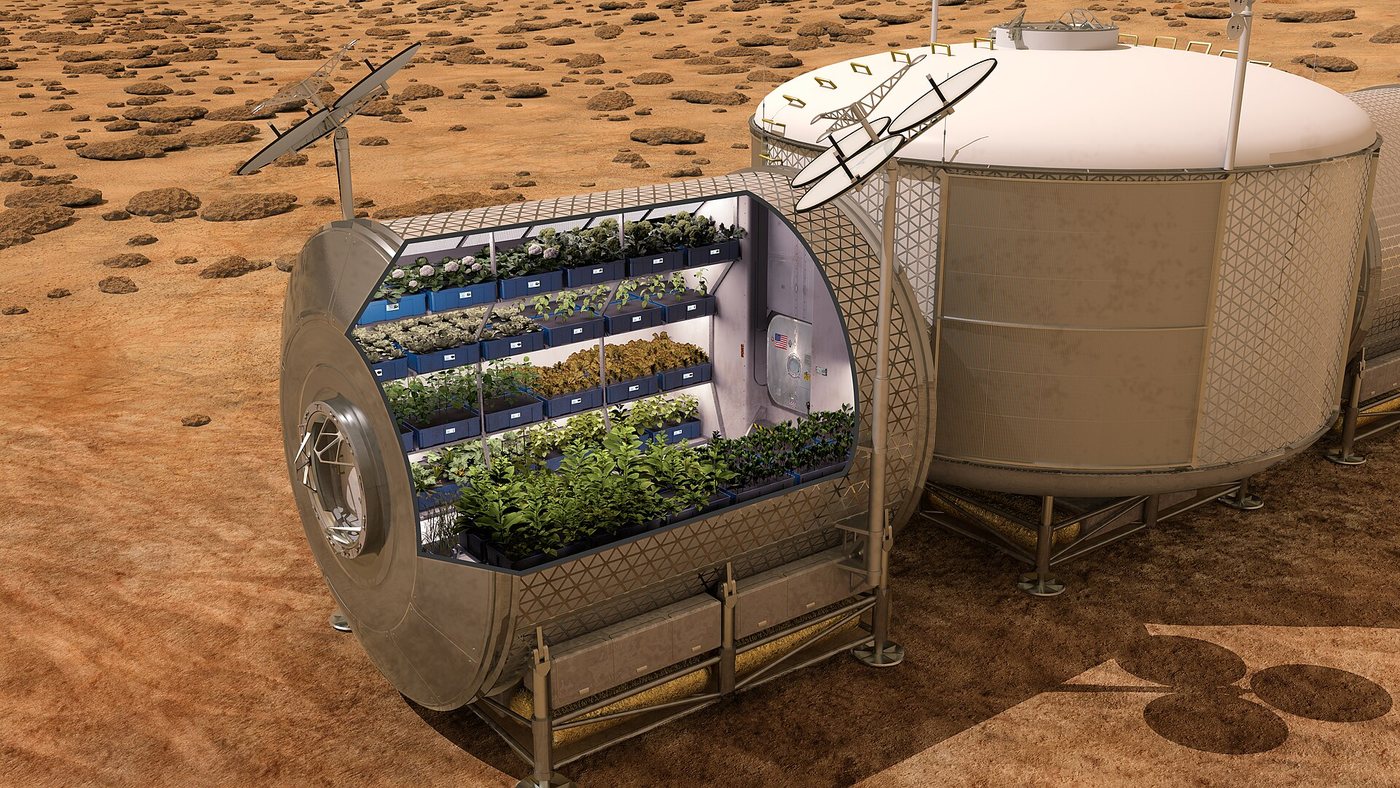
The competition, a collaboration between NASA and the Canadian Space Agency, asked teams to develop technologies that produce safe, nutritious, and palatable food for long-duration spaceflight with minimal inputs and waste. The winning concept from Philadelphia focuses on a compact, closed-loop system that could operate aboard a transit vehicle or a Martian habitat, reducing reliance on resupply missions from Earth.
Current food systems for the International Space Station depend on regular cargo deliveries, but a mission to Mars would not have that luxury. Astronauts would need to produce at least some of their own food to supplement packaged supplies, which degrade in quality over time and take up significant mass and volume. The challenge sought solutions that use limited resources efficiently, recycle water and nutrients, and require minimal crew time.
The Philadelphia winner's design reportedly addresses these constraints by integrating plant growth with resource recovery, though specific technical details have not been fully disclosed. The $300,000 prize is part of a larger prize purse distributed across multiple phases of the competition, which has drawn entries from teams around the world.
NASA has emphasized that the technologies developed for space could also have applications on Earth, particularly in extreme environments or areas with limited access to fresh produce. The agency has a history of spinning off space innovations into commercial products, from memory foam to water filtration systems.
The Deep Space Food Challenge is one of several NASA initiatives aimed at solving the logistical challenges of deep space exploration. As the agency works toward returning humans to the Moon and eventually sending crews to Mars, ensuring a reliable and sustainable food supply remains a critical hurdle. The Philadelphia entrepreneur's success highlights the role of private innovation in addressing those challenges.
Further details about the winning system and the entrepreneur's background were not immediately available. NASA is expected to continue supporting the development of promising food technologies as it plans for longer missions beyond low Earth orbit.
11