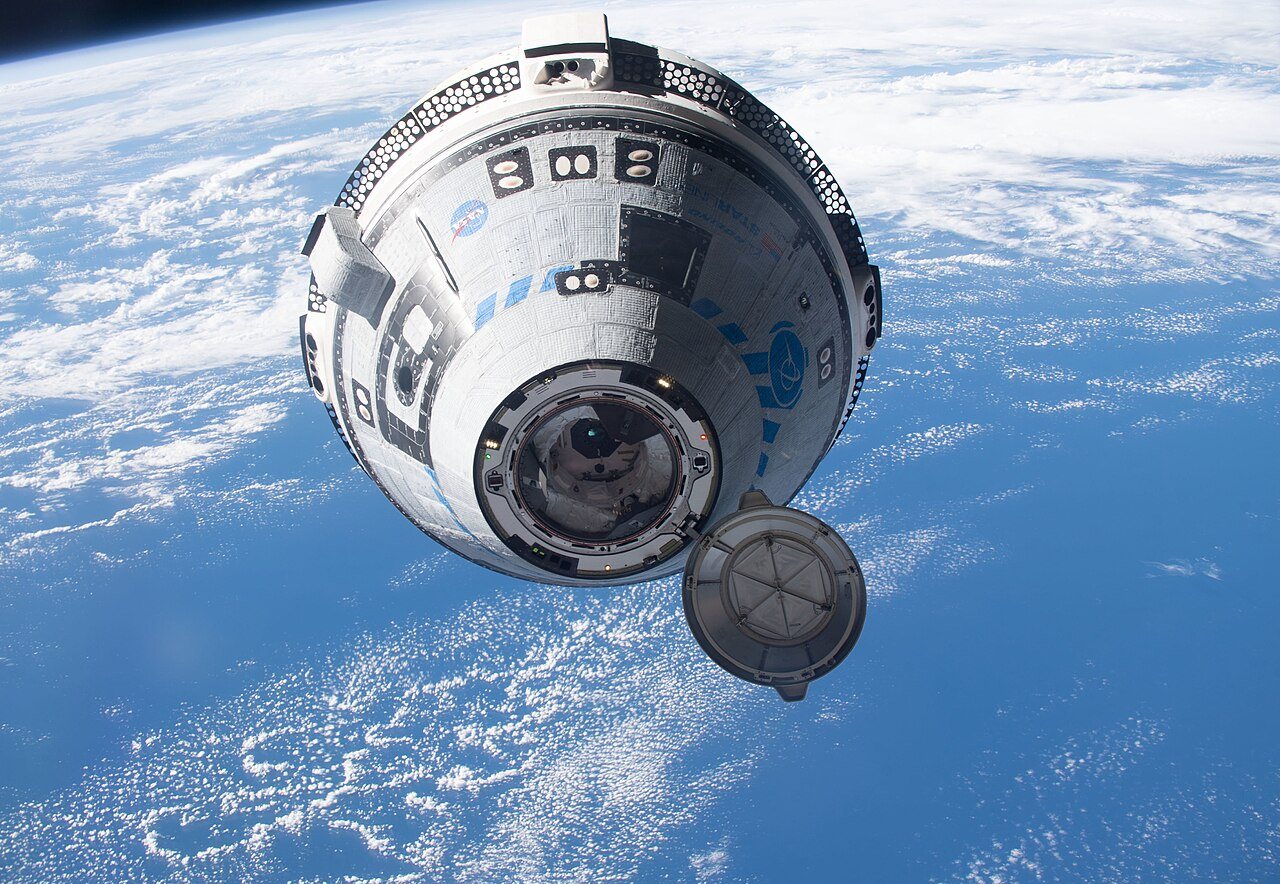
NASA is planning new missions using Boeing's Starliner spacecraft and will pay the company $359 million to help get the vehicle flying again, the agency announced Monday. The agreement also covers two additional Starliner flights to the International Space Station, marking the first new assignments for the capsule since a troubled test flight left two astronauts stranded aboard the orbiting laboratory for months.
The plan was presented at a news conference Monday and detailed in a NASA statement. Under the arrangement, NASA wants astronauts flying on Starliner again by 2028. The agency did not specify exact launch dates for the two newly purchased missions, but the funding and flight orders signal a long-term commitment to the spacecraft despite its recent setbacks.
Starliner's path to operational status has been difficult. During its first crewed test flight, technical problems prevented the vehicle from returning safely with its crew, leaving the two astronauts at the space station far longer than planned. That mission, intended as a final demonstration before regular service, instead raised questions about the capsule's propulsion system and overall reliability.
The $359 million payment is intended to support Boeing's work to resolve those issues and prepare Starliner for future crew rotations. NASA has not released a detailed schedule for the fixes, but the agency's goal of returning astronauts to Starliner by 2028 sets a clear deadline for the company's engineering teams.
NASA relies on commercial partners to transport crews to and from the space station. Boeing's Starliner was developed under the same program that produced SpaceX's Crew Dragon, which has flown regular missions for several years. Having a second operational vehicle is important for redundancy, giving the agency backup options if one spacecraft is grounded.
The two additional flights would add to Boeing's existing contract with NASA. The agency has not said how many crew members each mission would carry or which astronauts would be assigned. Those details are typically announced closer to launch.
Boeing has faced scrutiny over Starliner's development, including delays and cost overruns. The new NASA funding is meant to help the company complete the work needed to certify the spacecraft for routine missions. Boeing has not publicly outlined how much of its own money it will invest alongside the NASA payment.
The announcement comes as NASA continues to manage crew transportation for the space station, where international partners rely on a steady rotation of astronauts. A functioning Starliner would give the station two independent US crew vehicles, reducing dependence on a single provider.
For now, the agency's focus is on getting Starliner back to flight safely. The 2028 target for returning astronauts gives Boeing several years to address the technical problems that disrupted the test flight. NASA said it will provide updates as the work progresses.
15