The idea of visiting the International Space Station (ISS) might seem reserved for professional astronauts, but a growing number of non-astronauts are now getting remarkably close to that experience — or at least a convincing version of it. Through a combination of virtual reality simulations, full-scale mock-ups, and analog habitat missions, civilians and researchers alike can step inside the station's modules, practice daily tasks, and even participate in experiments that mirror those conducted in orbit.
One recent account highlights this trend. A participant, far from being a career astronaut, described touring a detailed replica of the ISS at a NASA facility. The experience included walking through modules, handling tools, and understanding the constraints of microgravity living — all while firmly grounded on Earth. Such tours are often part of educational programs or public outreach events, and they offer a rare behind-the-scenes look at the most expensive structure ever built.
Analog missions, such as those run by NASA's Human Exploration Research Analog (HERA) or the Hawaii Space Exploration Analog and Simulation (HI-SEAS), take the immersion further. Crews spend weeks or months in confined habitats designed to replicate the isolation, limited resources, and work schedules of a real space station. These missions help scientists study how humans adapt to long-duration spaceflight, from psychological stress to team dynamics. Volunteers come from various backgrounds — engineers, doctors, journalists — proving that a space career is not a prerequisite for contributing to exploration.
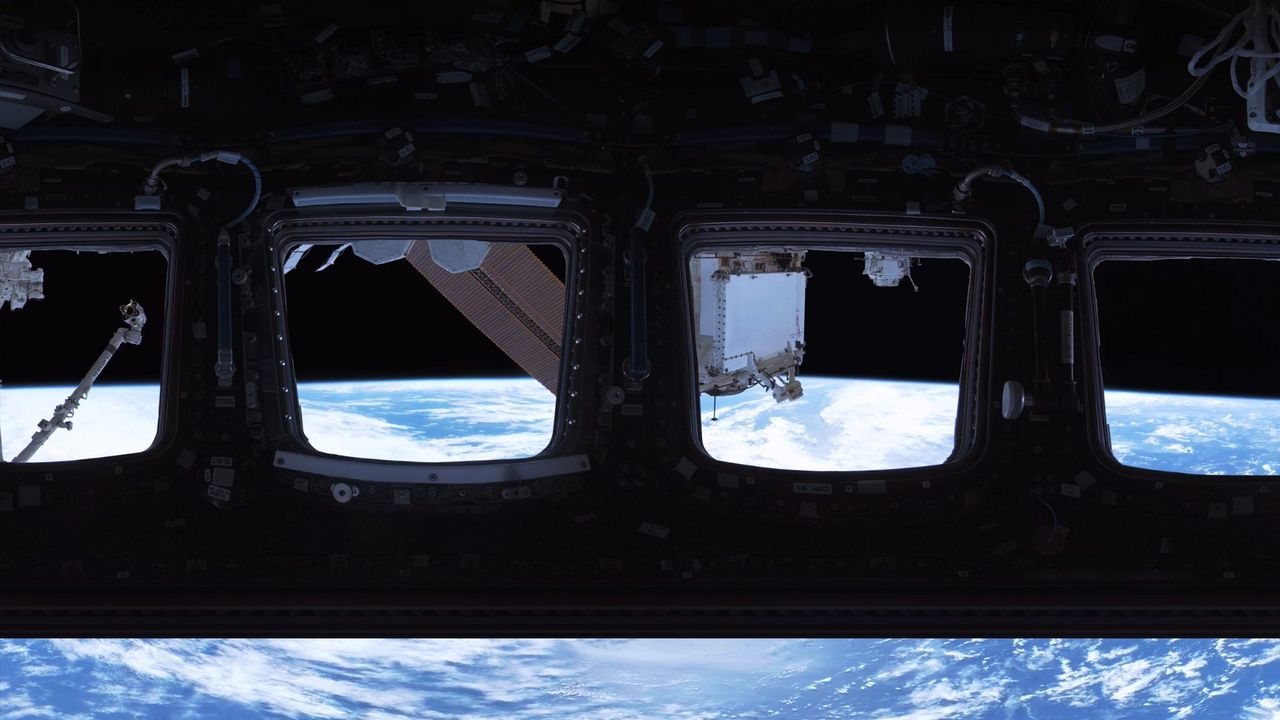
Virtual reality (VR) has also lowered the barrier. Programs from space agencies and private companies now allow anyone with a headset to walk through the ISS, perform simulated tasks like replacing a filter or conducting an experiment, and even look out the cupola window at Earth. Some VR experiences are so detailed that they are used for actual astronaut training, giving non-astronauts a level of access once limited to a select few.
These experiences serve multiple purposes. They demystify the station and make space exploration more relatable. They also inspire young people to pursue science and engineering fields. For researchers, analog missions provide cost-effective testbeds for new technologies and procedures before they are deployed in orbit. The growing involvement of private companies, such as those offering commercial astronaut flights, further blurs the line between professional and civilian space travelers.
While no simulation can fully replicate the sensation of weightlessness or the view from orbit, the gap between Earth and space is narrowing. For those who cannot afford a $50 million seat on a SpaceX Crew Dragon, a day at a space center or a VR experience offers a meaningful substitute. As space becomes more accessible, the number of people who can say they have «visited» the ISS — even if only in a simulator — is set to rise.