SpaceX's Starship megarocket soared into space during its 13th test flight, delivering a performance that the company described as a major step forward in the rocket's development. The launch, which took place from SpaceX's Starbase facility in South Texas, showcased the vehicle's ability to reach orbital velocities and execute critical maneuvers. The test flight was closely watched by space enthusiasts and industry observers alike, as each successive Starship launch provides valuable data for refining the largest rocket ever built.
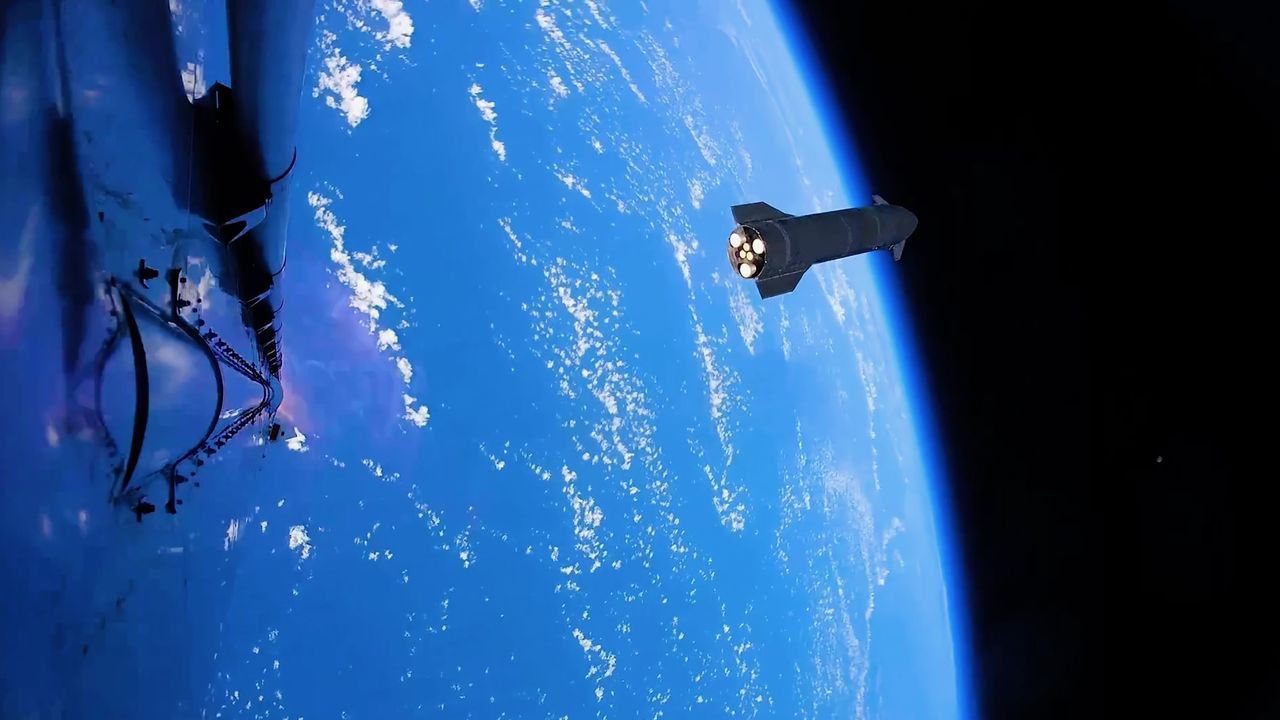
Highlights from the flight included a successful ascent through the atmosphere, stage separation between the Super Heavy booster and the Starship upper stage, and the upper stage's achievement of space. Video footage released by SpaceX captured the dramatic moments of the launch, including the booster's descent back toward the Gulf of Mexico and the upper stage's engine burn that pushed it into space. The test flight also included a planned attempt to demonstrate a controlled reentry and splashdown of the upper stage, though full details of the landing outcome were not immediately confirmed.
Flight 13 continues SpaceX's iterative approach to testing, where each mission builds on lessons learned from previous flights. Earlier Starship tests have experienced both successes and failures, ranging from booster explosions to the loss of vehicle control. With each attempt, the company has improved hardware and software, moving closer to a fully reusable system capable of carrying heavy payloads and crew to the Moon, Mars, and beyond. The Starship system is central to NASA's Artemis program, which aims to return astronauts to the lunar surface, as well as to SpaceX's long-term vision of making life multiplanetary.
The Super Heavy booster, equipped with 33 Raptor engines, produced more than 16 million pounds of thrust at liftoff, making it the most powerful rocket ever flown. During Flight 13, the booster's engines performed nominally through staging, after which it executed a boostback burn and began its descent. SpaceX had planned to catch the booster with the launch tower's mechanical arms, known as chopsticks, but as with previous flights, the company appeared to opt for a controlled splashdown in the ocean to gather data. The Starship upper stage, powered by six Raptor engines, continued its trajectory after separation, reaching speeds sufficient for orbital insertion before beginning its descent.
The broader significance of Flight 13 extends beyond the technical milestones. With each test, SpaceX demonstrates the reliability of its rapid prototyping and testing philosophy, which has shortened development timelines compared with traditional aerospace programs. The company has already begun stacking hardware for future flights, and NASA officials have expressed confidence that Starship will be ready for the Artemis III lunar landing mission, currently scheduled for later this decade. Additionally, the success of Starship is critical for SpaceX's Starlink satellite deployment plans, as the rocket's immense payload capacity could dramatically accelerate the expansion of the internet constellation.
The test flight also highlights the growing role of commercial spaceflight in national and international space ambitions. As the United States seeks to maintain leadership in space, the Starship program represents a public-private partnership that leverages private investment and innovation to achieve government goals. SpaceX's ability to rapidly iterate on hardware and conduct frequent test flights has set a new pace for rocket development, challenging established players like Boeing and Lockheed Martin. The data from Flight 13 will inform modifications for subsequent vehicles, including upgrades to the thermal protection system, engine performance, and avionics.
SpaceX CEO Elon Musk has noted that Starship is designed to be fully and rapidly reusable, a capability that could drastically reduce the cost of access to space. While the company has not released a specific date for the next test flight, the cadence of launches has accelerated in recent months, and additional flights are expected later this year. Each test brings the world closer to a future where routine interplanetary travel becomes a reality, with Starship serving as the backbone of that endeavor. For now, Flight 13 stands as a testament to the relentless pursuit of innovation that defines SpaceX's approach to space exploration.