The Thirty Meter Telescope International Organization has rejected Spain's €1bn offer to build the instrument at the Roque de los Muchachos Observatory on La Palma, leaving Hawaii's Mauna Kea as the only possible site for the long-delayed project.
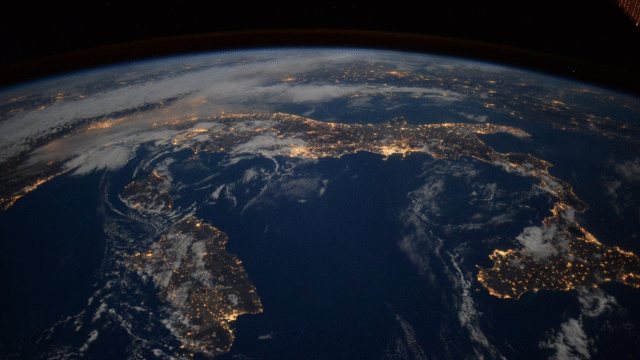
The decision was confirmed by the Astrophysics Institute of the Canaries (IAC), which operates the La Palma observatory. According to the IAC, TMT members were «unable to reach the consensus required to accept the financial offer» put forward in July. That package combined €400m pledged by Spain in 2025 with an additional €600m in loans from the European Investment Bank and Spain's Official Credit Institute.
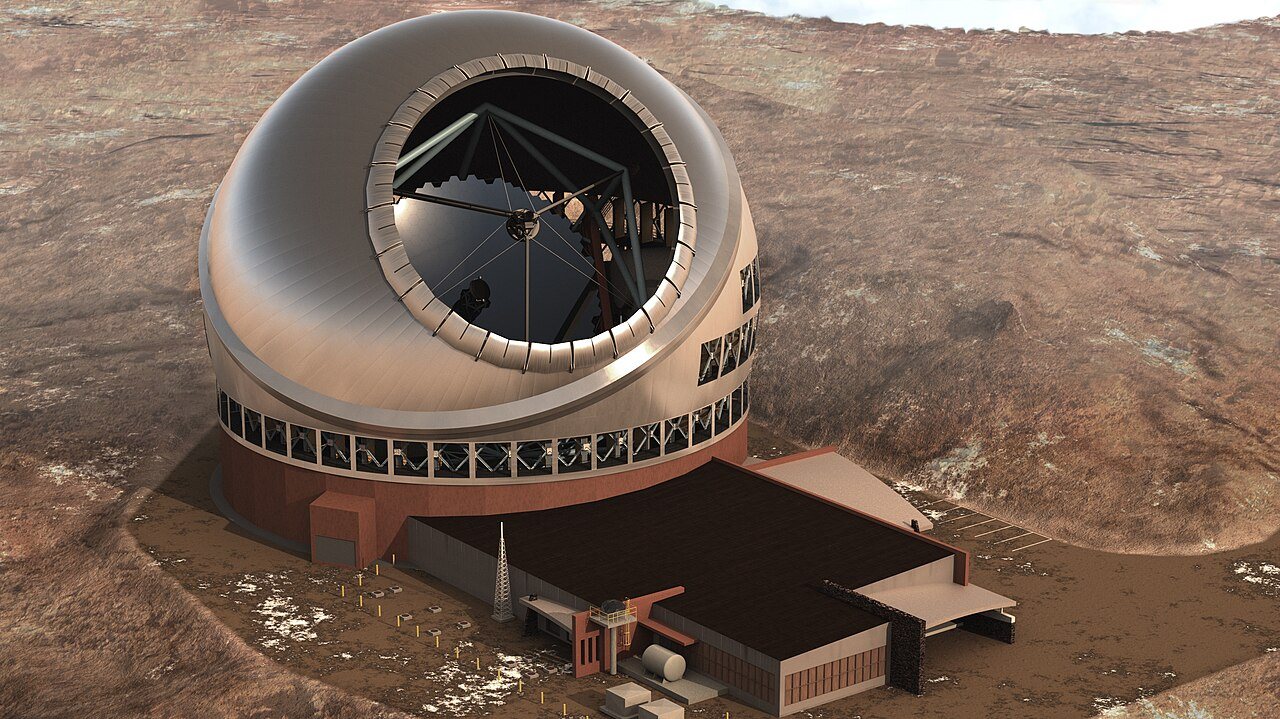
The rejection marks the latest setback for a telescope that has been mired in controversy for more than a decade. The TMT, if built, would use a segmented primary mirror consisting of 492 elements of zero-expansion glass, forming a 30-meter-diameter surface that would allow astronomers to resolve the faintest and oldest galaxies in the universe. Its members include the University of California, the California Institute of Technology, Canada, India, and Japan.
Officials have not released a final construction cost, but it is expected to be at least $3bn, of which $2bn has already been committed. In 2009, the organization selected Mauna Kea as its preferred location. Protests by indigenous Hawaiians, who regard the summit as sacred, delayed the start of construction beginning in 2015. The impasse forced officials to consider alternative sites, and La Palma was proposed as the preferred backup in 2016.
Some astronomers had expressed concern about the potential move, noting that La Palma's warmer climate and lower elevation compared with Mauna Kea could limit the telescope's scientific potential, particularly for mid-infrared observations that require dry, cool conditions.
Further complications emerged in 2024 when the US National Science Foundation announced it would support the construction of only one of two rival giant telescopes — the Giant Magellan Telescope or the TMT — but not both. A year later, the NSF chose to pursue the GMT, which uses seven primary and seven secondary mirrors to achieve an optical surface of 25.4 meters. Construction of the GMT is already under way at Chile's Las Campanas peak, with officials working toward a final design review.
Despite the rejection, the IAC said it «remains fully committed to the scientific and technological development» of the Roque de los Muchachos Observatory. The institute added that it will continue to promote the installation of new infrastructure at the site, including the Cherenkov Telescope Array Observatory and the European Solar Telescope.
The TMT's path forward now appears to rest entirely on Mauna Kea, where the project still faces unresolved opposition from Native Hawaiian communities and the logistical challenges that have stalled construction for years. With the NSF backing the GMT instead, the TMT's international partners must decide whether to proceed alone at the Hawaii site or reassess a project whose cost and timeline remain uncertain.
13