Astronomers using the James Webb Space Telescope and the Hubble Space Telescope have discovered 27 previously unknown objects orbiting the sun far beyond Neptune, a finding that expands the known population of the solar system's distant reaches and raises new questions about how such bodies formed and where they reside.
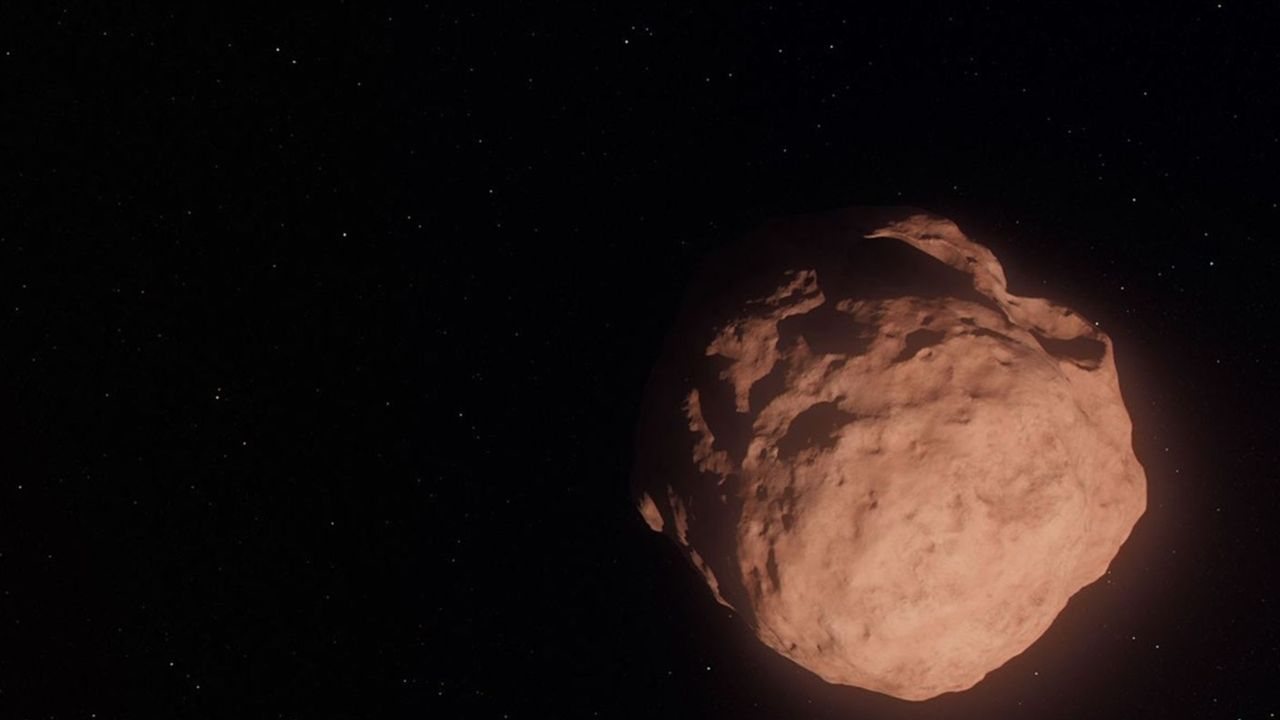
The objects were identified in a region of the outer solar system that extends well past the orbit of Neptune, the eighth and farthest known planet from the sun. This zone has long been a target of astronomical surveys because it preserves material left over from the solar system's earliest days, offering clues about the processes that shaped the planets and the smaller bodies that circle the sun today.
Both telescopes contributed to the detection. The James Webb Space Telescope, which observes primarily in infrared light, is particularly suited to studying faint, cold objects that emit little visible radiation. Hubble, which has operated for more than three decades, provided complementary observations. Together, the two observatories allowed researchers to confirm the presence of the 27 objects and begin characterizing them.
The discovery adds to a growing catalog of distant solar system bodies. Over the past several decades, surveys have revealed thousands of objects beyond Neptune, including Pluto and other dwarf planets, as well as comets and icy remnants. Each new detection helps astronomers refine models of the outer solar system's structure and dynamics.
Scientists describe the new objects as puzzling, a signal that their properties or orbits do not fit neatly into existing expectations. The outer solar system is not a uniform field of debris; it contains distinct populations, including the Kuiper Belt and more distant regions, each with its own orbital characteristics. Objects that fall outside those patterns can point to past gravitational interactions, migration of the giant planets, or even the influence of a yet-undetected body.
The finding also underscores the value of combining space telescopes with different capabilities. Webb's sensitivity in the infrared enables it to detect heat from objects that are extremely cold by terrestrial standards, while Hubble's long baseline of observations helps track motion and verify candidates over time. Such synergy has become a cornerstone of modern astronomy, particularly for studies of faint, slow-moving targets.
For now, the 27 objects remain under study. Their exact sizes, compositions, and orbital paths are still being analyzed, and further observations are expected to clarify whether they belong to known groups or represent something new. The results will feed into broader efforts to map the solar system's outer frontier and understand its history.
The discovery is the latest in a series of advances made possible by the current generation of space observatories. As Webb continues its mission and Hubble remains in operation, astronomers anticipate more detections of distant bodies, each adding a piece to the picture of how the solar system came to be and what lies at its edges.