The Trump administration has proposed a new rule that would eliminate the requirement for datacenters to publicly report their air pollution, a move that public health advocates say could allow emission permits to be issued behind closed doors. The proposal, first reported by The Guardian, targets the current notification process that requires facilities to disclose pollutants such as nitrogen oxide, carbon monoxide, and heavy metals.
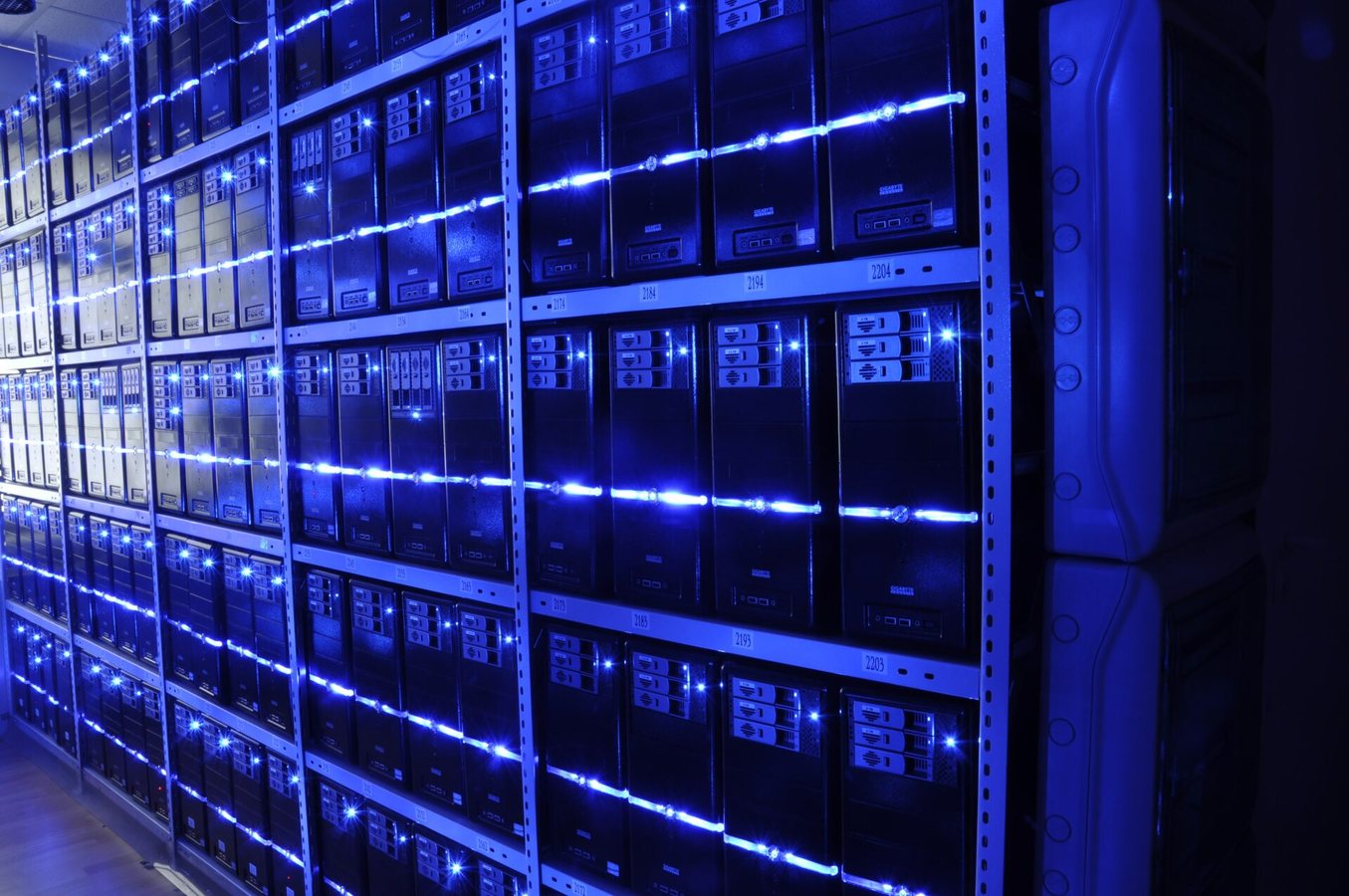
Datacenters, which house the servers that power cloud computing, artificial intelligence, and digital services, have become a growing source of industrial air emissions. Nitrogen oxide, a key ingredient in the formation of ground-level ozone, can aggravate respiratory conditions, while carbon monoxide and heavy metals pose additional health risks to nearby communities. Under the proposed rule, datacenters would no longer need to publicly disclose these emissions, and permits could be granted without the usual public comment period.
Advocates argue that the change would strip local residents of their right to know about pollution sources in their neighborhoods. The rule would effectively dismantle a transparency mechanism that has been in place for decades, making it harder for communities to assess environmental risks and hold operators accountable. The proposal is part of a broader effort by the administration to ease regulatory burdens on the technology sector, which has faced increasing scrutiny over its environmental footprint.
The datacenter industry has expanded rapidly in recent years, driven by the growth of cloud services and artificial intelligence. This expansion has led to concerns about energy consumption, water use, and air quality in regions where large facilities are concentrated. The proposed rule would apply to both new and existing datacenters, potentially affecting dozens of facilities across the country.
Environmental groups and public health organizations have vowed to fight the proposal, arguing that it undermines the Clean Air Act and the public's right to participate in environmental decision-making. They note that the notification process is a critical tool for identifying pollution hotspots and ensuring that industrial development does not come at the expense of community health.
The EPA has not yet released the full text of the proposed rule, but advocates say the agency is moving quickly to finalize it. If enacted, the rule would mark a significant shift in how the federal government regulates air pollution from the technology sector. It would also set a precedent for other industries seeking to avoid public oversight.
The proposal comes at a time when the Biden administration had been pushing for stricter environmental standards, but the Trump administration has reversed course on many of those policies. The datacenter rule is the latest in a series of regulatory rollbacks affecting energy, transportation, and manufacturing sectors.
For now, the rule is in the proposal stage, and the EPA is expected to take public comments before issuing a final decision. However, advocates warn that the administration may try to expedite the process, limiting opportunities for public input. They are urging residents in affected areas to voice their concerns and demand that the EPA maintain transparency in permitting decisions.
The outcome of this rule will have significant implications for the future of datacenter development and the health of communities where these facilities are located. As the demand for digital services continues to grow, the balance between technological progress and environmental protection will remain a contentious issue.
116