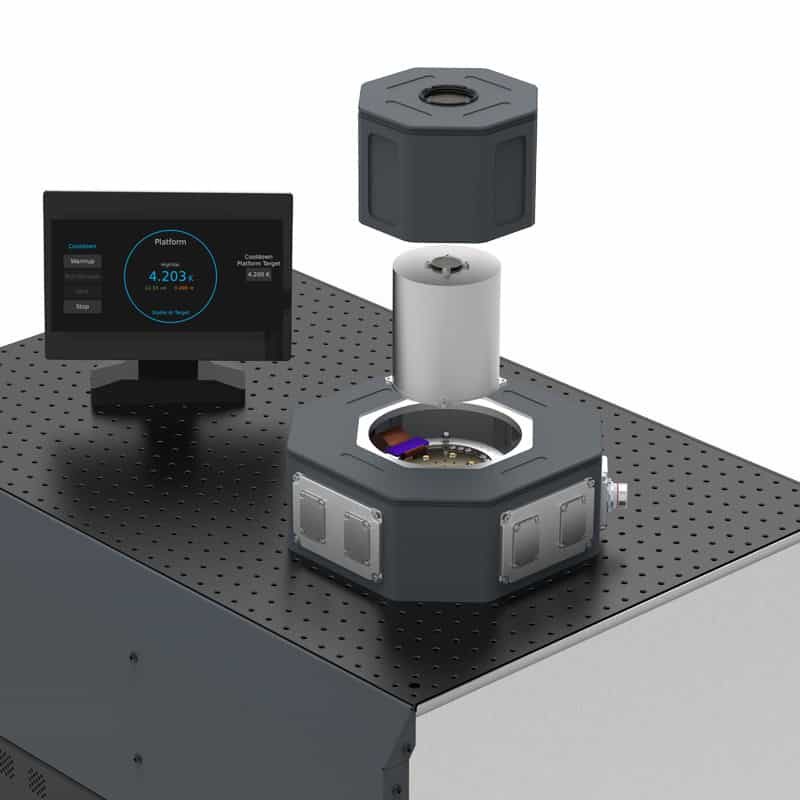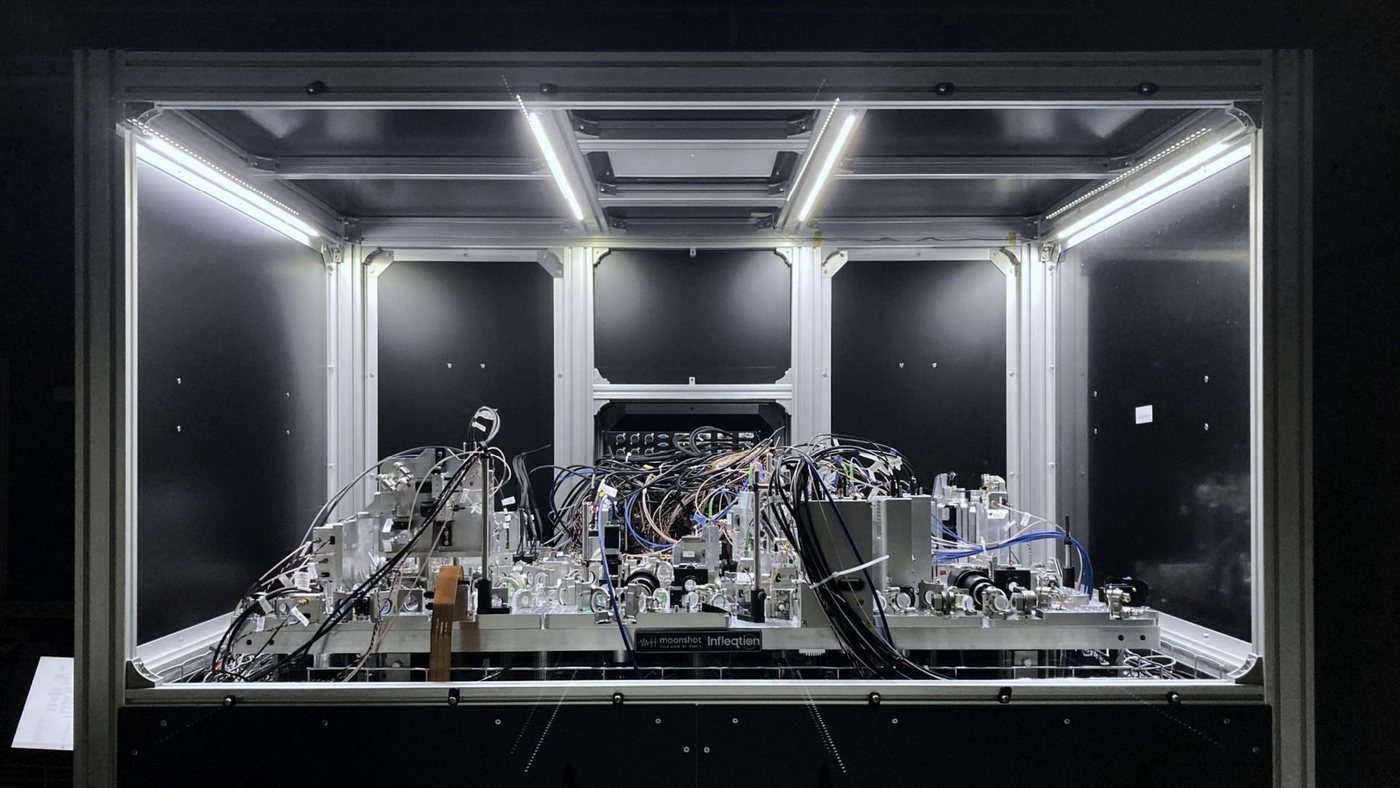
Japan has activated its first full-stack room-temperature quantum computer, a system its developers say can be scaled to 10,000 qubits without the ultra-cold cooling infrastructure that constrains most quantum hardware. The machine is the first in the country to combine the quantum processing core, control electronics, and software stack into a single operational platform that runs at ambient temperatures.
Most leading quantum computers rely on superconducting circuits that must be chilled to near absolute zero, requiring large dilution refrigerators and specialized cryogenic engineering. The Japanese system takes a different route, operating at room temperature and integrating the full stack from qubits to control layer in one design. That architecture is what makes the planned expansion to 10,000 qubits feasible, according to the team behind the project.
The milestone places Japan among a small group of countries pursuing full-stack quantum systems, where hardware and software are developed together rather than assembled from separate vendors. Full-stack control matters because scaling qubit counts demands tight coordination between the quantum processor, the electronics that drive it, and the error-correction and compilation software that turns algorithms into physical operations.
Room-temperature operation, if it holds at larger scales, would remove a major practical barrier to deploying quantum computers outside specialized laboratory environments. Cryogenic systems are expensive to build and maintain, and their cooling capacity limits how many qubits can be packed into a single machine. A design that avoids extreme cooling could simplify installation, reduce operating costs, and make quantum processors easier to network with conventional data-center hardware.
The stated goal of reaching 10,000 qubits is ambitious. Current commercial and research machines typically operate with tens to a few hundred physical qubits, and error rates remain high enough that useful computation requires many physical qubits to form a single reliable logical qubit. Scaling to 10,000 qubits would represent a substantial jump, though the practical value of such a system depends on gate fidelity, connectivity, and coherence times as much as raw qubit count.
Japan's push fits a broader pattern of national investment in quantum technology. Governments and companies in the United States, China, and Europe have committed billions to quantum research, viewing the field as strategically important for computing, cryptography, materials science, and drug discovery. A working full-stack system that operates at room temperature would give Japan a distinctive position in that race, particularly if the platform proves manufacturable and reliable.
The immediate significance is that the machine is switched on and running as an integrated system rather than as a laboratory prototype. That means researchers can begin testing algorithms and control software on the actual hardware, generating performance data that will inform the next stages of scaling. The path to 10,000 qubits will depend on whether the room-temperature approach maintains coherence and control accuracy as the processor grows.
For now, the activation marks a first step. The developers plan to scale the system up, and the coming years will show whether room-temperature full-stack quantum computing can compete with established cryogenic architectures at the qubit counts needed for practical advantage.
12