A UK-based materials technology company has developed a porous three-dimensional carbon nanomaterial that it says delivers many of the electronic, structural, and chemical advantages of graphene while avoiding the manufacturing and integration difficulties that have limited the two-dimensional material's practical use.
The company, iGii, calls the material Gii and describes it as a 3D version of graphene. Marco Caffio, co-founder of iGii, said the nanomaterial retains useful properties associated with graphene — including its electronic behavior and chemical reactivity — but can be produced and customized more readily for real-world applications.
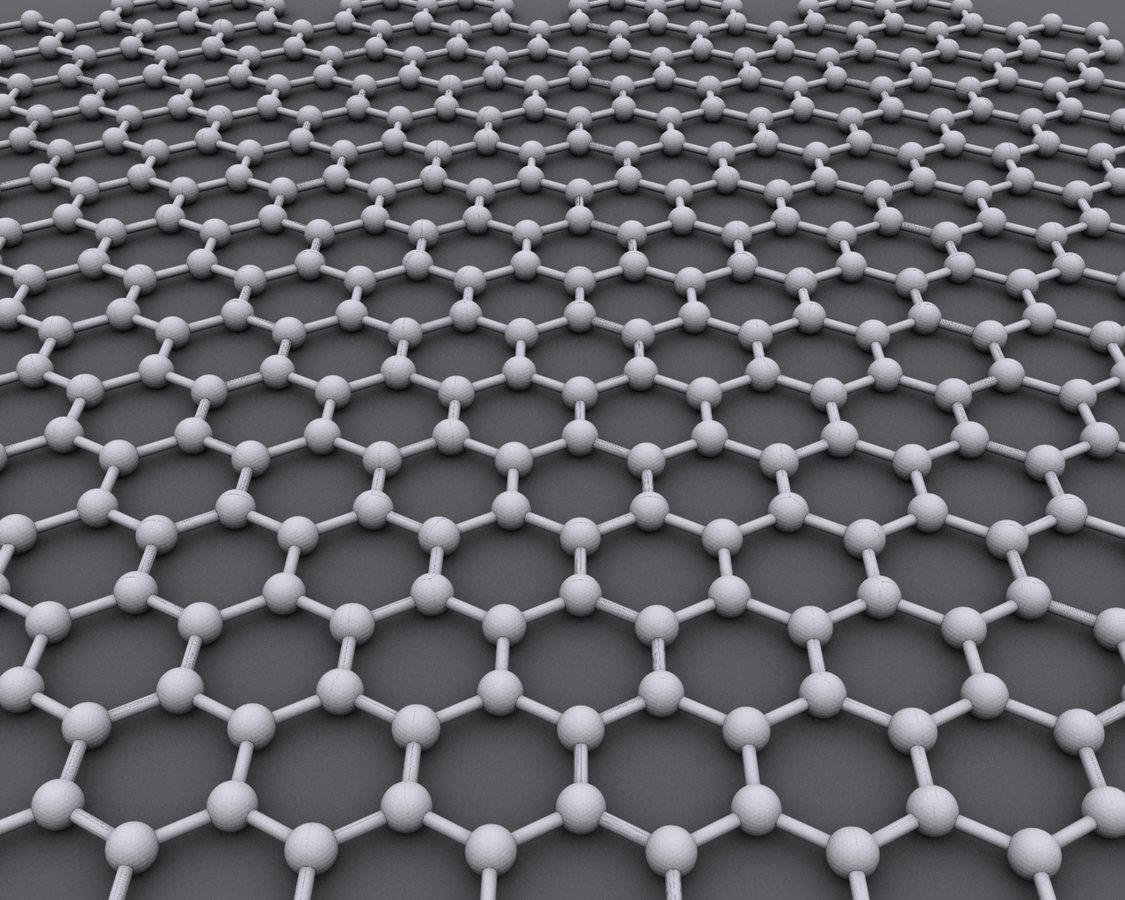
Graphene, a single layer of carbon atoms arranged in a hexagonal lattice, has attracted intense research interest for its strength, conductivity, and surface area. Yet integrating it into commercial devices has proven challenging because it can be difficult to manufacture at scale and to incorporate into existing manufacturing processes. Gii is designed to address those barriers by offering a porous, three-dimensional carbon structure that is easier to handle and adapt.
According to Caffio, the material can be tailored for use in a range of technologies, including chemical sensors, batteries, and heaters. That versatility could make it attractive to manufacturers seeking advanced carbon materials without the complications that often accompany graphene.
The development reflects a broader trend in materials science, where researchers and companies are looking beyond the discovery of novel materials to the engineering challenges of producing them reliably and integrating them into products. A material that performs well in the laboratory is of limited value if it cannot be manufactured consistently or combined with other components in a device.
iGii manufactures Gii for a range of customers and applications, suggesting the company is already engaging with commercial partners rather than pursuing purely academic research. The company is based in the United Kingdom, placing it within a materials-technology sector that has grown around advanced carbon research.
Caffio also discussed the origins of the company and offered career advice for physicists interested in working in the materials-technology sector. His comments highlight a pathway from fundamental physics research into industrial innovation, where understanding material properties at the nanoscale can translate into products with practical functions.
The porous nature of Gii is central to its identity as a 3D material. Porosity increases surface area, which can be advantageous in applications such as sensing and energy storage, where interactions between a material and its environment are important. At the same time, a three-dimensional carbon framework may offer structural benefits that a single atomic layer cannot provide.
While graphene remains a subject of active research, the emergence of engineered 3D carbon materials like Gii suggests that the field is maturing. Instead of treating graphene's properties as an endpoint, companies are exploring how to capture those benefits in formats that fit existing industrial needs.
For sectors such as battery manufacturing and chemical sensing, a material that is easier to process could reduce costs and accelerate adoption. Heaters represent another application where a conductive carbon material with a large surface area could be useful.
The company's work also underscores the importance of customization. Rather than offering a single universal material, iGii appears to position Gii as a platform that can be adjusted for different customers and use cases. That approach is common in advanced materials, where performance requirements vary widely from one application to another.
As manufacturers continue to seek alternatives to conventional materials, porous 3D carbon nanomaterials may find niches where their combination of electronic, chemical, and structural properties offers an advantage. iGii's Gii is one example of how the legacy of graphene research is being translated into engineered products designed for practical use.
106