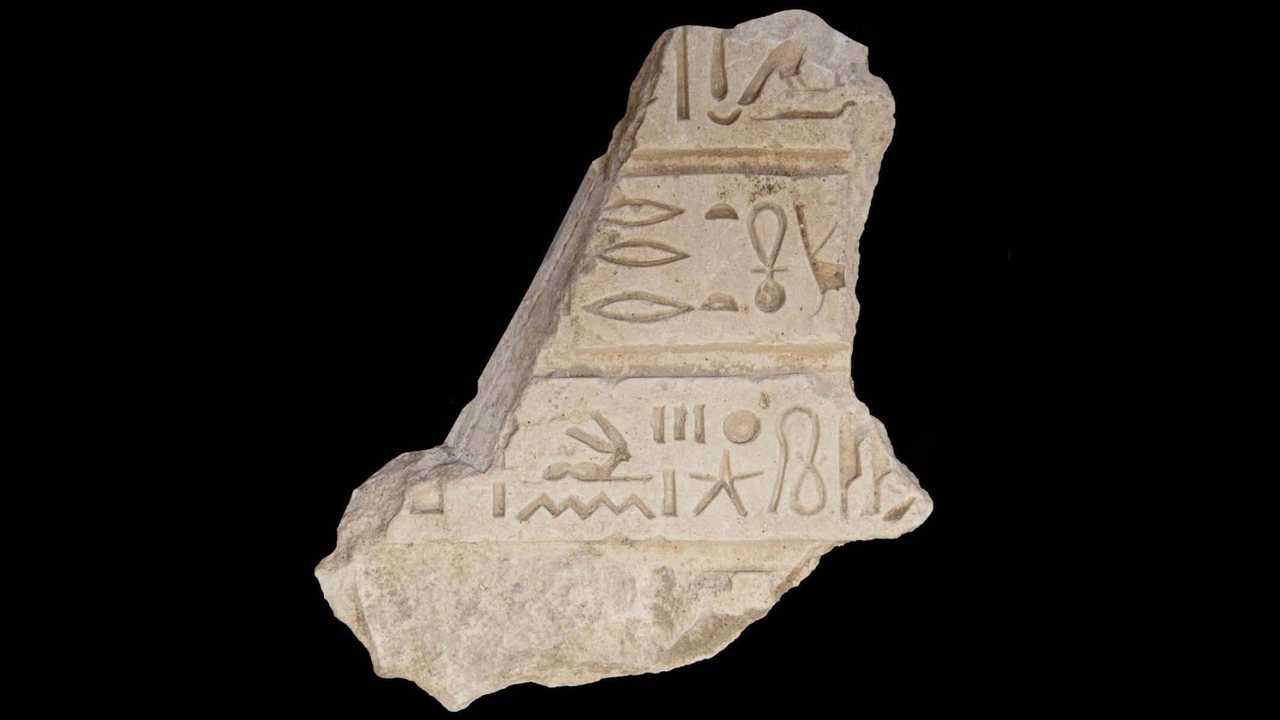
A 3,200-year-old inscription may hold the key to locating a long-lost ancient Egyptian city from the era of Ramesses II, one of the most powerful pharaohs of the New Kingdom. The carved text, which has drawn the attention of archaeologists, could reshape the known map of settlement sites tied to that dynasty.
The inscription, engraved on a block of stone, appears to name a city that has not yet been identified in the archaeological record. Researchers studying the text believe it refers to a settlement that was active during the reign of Ramesses II, who ruled Egypt for roughly six decades in the 13th century BCE. If the reading is correct, the city would add a new location to the administrative and economic geography of the period.
Details about the exact find spot and the condition of the inscription remain limited, but the potential significance is clear. Ramesses II, also known as Ramesses the Great, is associated with monumental building projects, military campaigns, and a vast network of cities and temples stretching from the Nile Delta into Nubia. A previously unknown urban center from his reign would provide scholars with fresh material for understanding how the state managed its territories.
The identification of ancient place names is a delicate task. Epigraphers must compare the signs carved in stone with known toponyms from other texts, such as temple lists, administrative papyri, and royal annals. Even a small difference in the shape of a hieroglyph can change the reading of a name, which is why the new inscription is being examined with caution. The team behind the study has not yet announced a proposed excavation site, but the text may offer clues about where the city once stood.
If the city is found, it could contain temples, storage facilities, workshops, and residential quarters typical of a Ramesside administrative center. Such sites often yield pottery, tools, seals, and documentary material that illuminate daily life, trade networks, and the relationship between local officials and the central government. The discovery would also allow archaeologists to test whether the city matched the scale and layout of other known settlements from the same period.
The research adds to a growing body of work on the landscape of ancient Egypt beyond the famous monuments of Giza, Luxor, and Abu Simbel. In recent years, surveys and excavations have revealed that the Nile Valley was dotted with towns and way stations that supported the state's military, religious, and economic activities. Each new site helps refine the picture of how the pharaohs projected power across their realm.
Scholars outside the research team have urged patience until the inscription is published in full and subjected to peer review. The dating of the text to the time of Ramesses II, the reading of the city name, and the proposed location all need to be verified. Still, the possibility of a new Ramesside city has generated interest among Egyptologists, who note that even well-studied regions can still hide significant settlements beneath the sand.
The inscription is the latest reminder that the archaeological record of ancient Egypt is far from complete. Surface surveys, satellite imagery, and targeted excavations continue to produce new finds, and textual evidence often points the way. Whether this particular city is ever uncovered, the inscription itself stands as a valuable document of how the Egyptians recorded their own urban landscape.
98