Archaeologists are uncovering new evidence of how ancient Rome extended its power across the eastern Mediterranean, from buried desert cities in Jordan to the sunken ruins of a temple off the Italian coast. The work, featured in a new mega-episode of National Geographic's «Lost Treasures of Rome», also examines the human cost of the empire's expansion, including the forgotten victims of Pompeii and the soldiers who defended Rome's distant borders.
The episode combines three full investigations. In the first, researchers excavate a buried city in Jordan and explore the famous rock-carved metropolis of Petra to understand how Rome conquered the east. The same segment includes a dive to a sunken temple in Italy, where underwater archaeologists are recovering artifacts that shed light on Roman religious life and trade networks. Together, the sites reveal how a distant empire absorbed local cultures while imposing its own administrative and military systems.
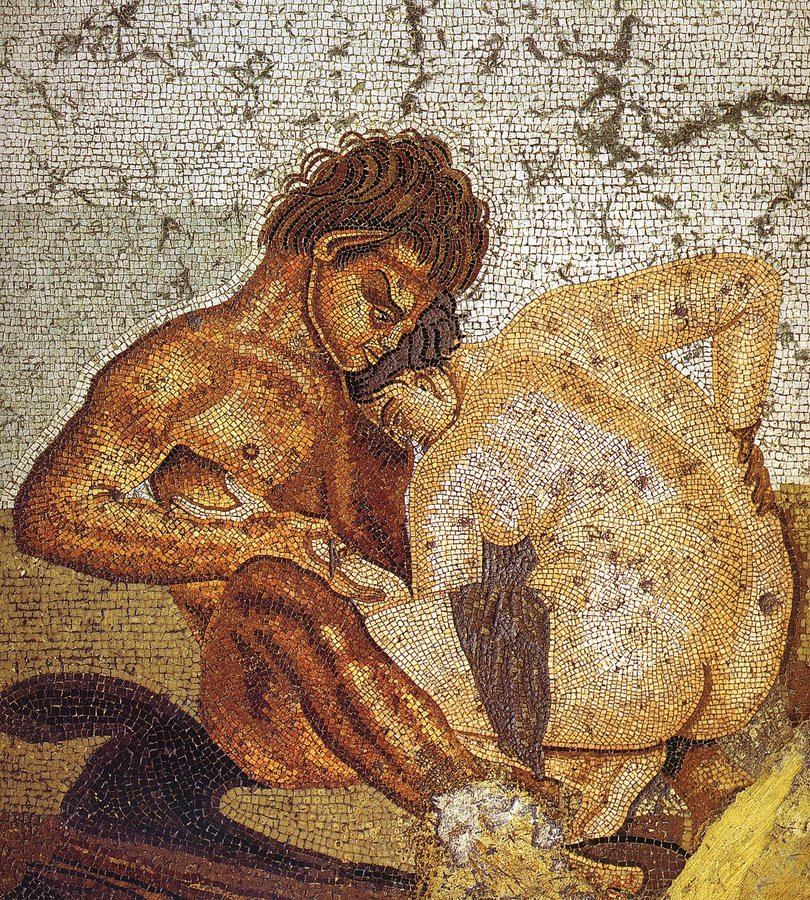
A second segment focuses on Pompeii, the town destroyed by the eruption of Mount Vesuvius in 79 AD. While the site has been studied for centuries, new excavations are bringing to light the darker side of the town, including the lives of enslaved people, the poor, and others who left little trace in the historical record. Archaeologists are analyzing skeletal remains and household objects to reconstruct who these people were, how they lived, and how they died in the catastrophe.
The third investigation turns to the frontier of the Roman Empire, where archaeologists are excavating fortifications and battle sites to understand how Rome defended its borders. The research is revealing the scale of the military effort required to hold the empire together, from the construction of walls and watchtowers to the daily lives of soldiers stationed far from home. The findings are reshaping views of the frontier as not merely a line on a map but a dynamic zone of contact, conflict, and exchange.
The discoveries come at a time when archaeologists are increasingly using new technology, including ground-penetrating radar, drone surveys, and ancient DNA analysis, to study sites that were previously inaccessible or poorly understood. In Jordan, for example, excavations are exposing entire neighborhoods of a city that was once a thriving hub on Rome's eastern trade routes. The layout of streets, houses, and public buildings is providing clues about how Roman urban planning was adapted to local conditions.
At Pompeii, the new work is part of a broader effort to study the town's full population, not just its wealthy elite. Recent excavations have uncovered rooms that served as workshops, taverns, and cramped living quarters, offering a more complete picture of daily life in a Roman town. The analysis of plaster casts of victims, made from voids left in the ash, continues to provide poignant evidence of the eruption's human toll.
The frontier research is equally revealing. Archaeologists have mapped long stretches of Rome's northern and eastern borders, documenting the remains of forts, roads, and supply depots. The scale of the infrastructure suggests that defending the empire was a massive logistical undertaking, requiring constant movement of troops, food, and equipment. The findings also highlight the interactions between Roman soldiers and local populations, including trade, intermarriage, and cultural exchange.
The mega-episode is part of the second season of «Lost Treasures of Rome», which follows teams of experts as they investigate some of the most significant sites of the Roman world. The series aims to show how modern archaeology is rewriting the history of one of the most influential civilizations in human history, using both traditional excavation and cutting-edge science.
Each of the three segments offers a different lens on the Roman Empire: its expansion into the east, its internal social divisions, and its military defenses. Taken together, they paint a portrait of a civilization that was both remarkably sophisticated and deeply unequal, capable of grand engineering and brutal conquest. The new discoveries are expected to fuel further research and debate among historians for years to come.
93