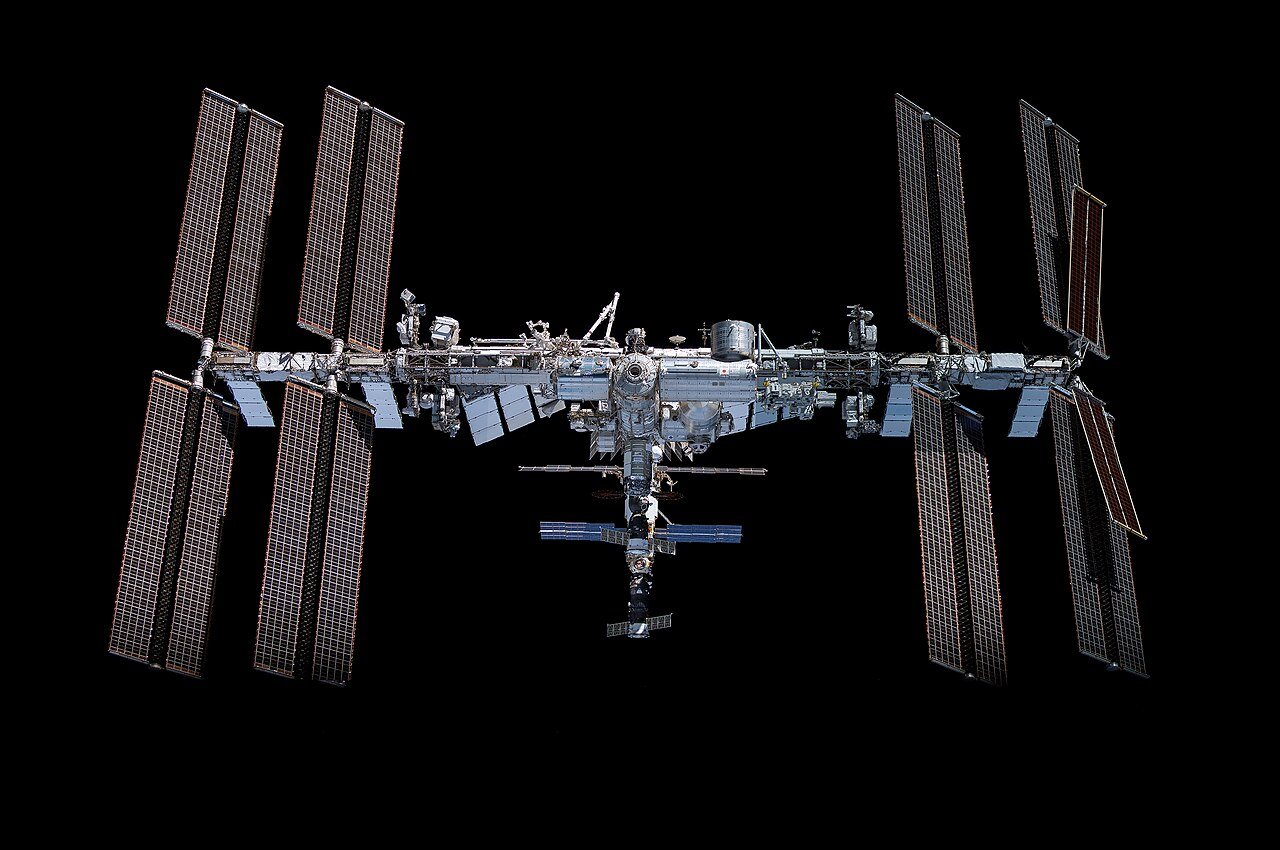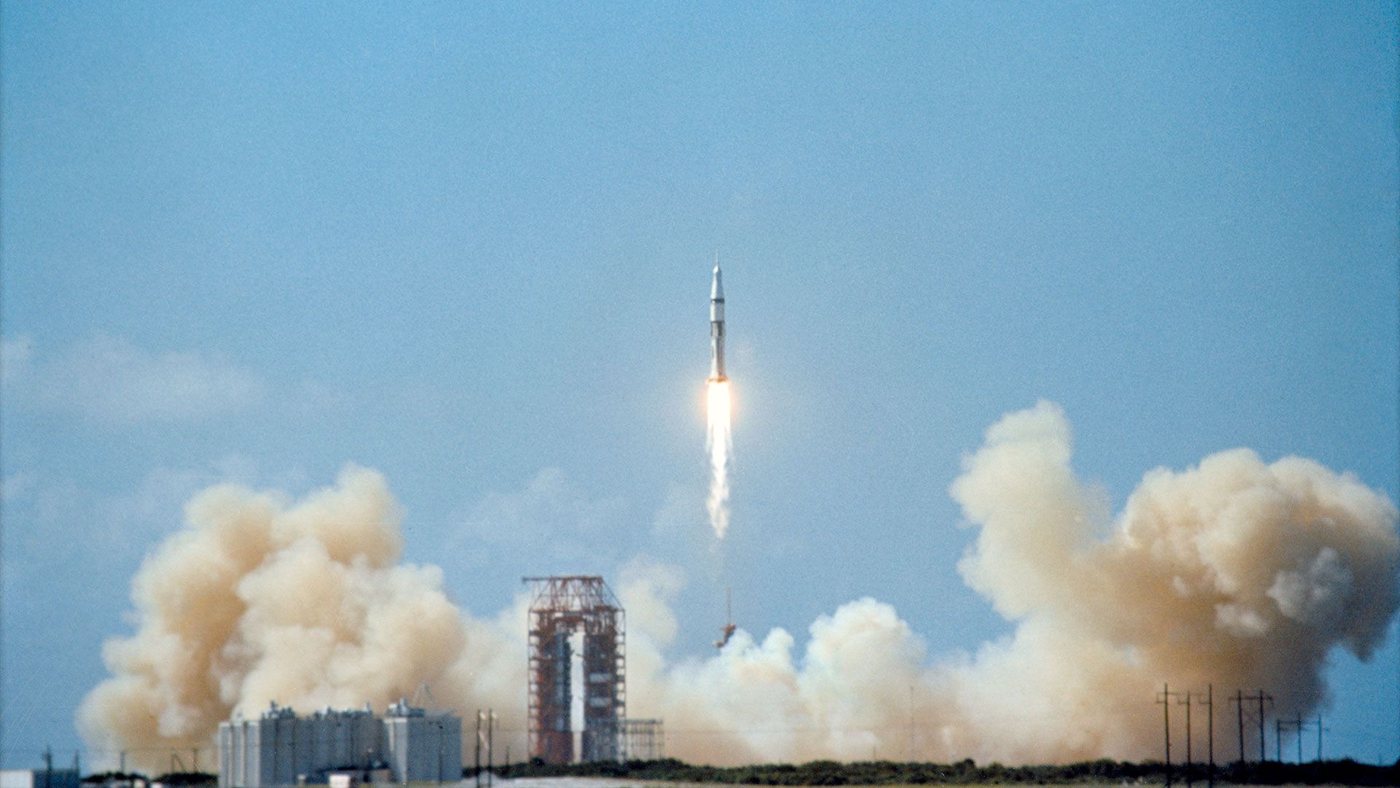
SpaceX and NASA are set to launch a robotic cargo mission to the International Space Station early Tuesday, carrying new solar arrays and thousands of pounds of supplies for the orbiting laboratory's crew. The flight, designated CRS-35, marks SpaceX's 35th commercial resupply services mission under its contract with the space agency.
A Cargo Dragon spacecraft stands ready at the launch pad, loaded with approximately 6,300 pounds of cargo. The manifest includes a pair of upgraded solar arrays that will augment the station's power generation capacity, along with scientific experiments, crew provisions, and equipment for the station's ongoing research programs. The pre-sunrise launch window is scheduled for Tuesday morning, though specific timing depends on final weather and technical checks.
The new solar arrays are part of a broader effort to maintain and modernize the station's electrical system as it enters its third decade of continuous human occupation. The existing arrays, some of which have been in orbit since the station's early construction, have degraded over time due to exposure to the harsh space environment. The replacement arrays are designed to be rolled out like carpets and installed during spacewalks, supplementing rather than replacing the original power modules.
Once the Cargo Dragon reaches orbit, it will begin a carefully choreographed rendezvous with the station. The spacecraft is expected to approach the complex autonomously before being captured by the station's robotic arm, operated by astronauts aboard the outpost. After capture, the Dragon will be berthed to a docking port, where the crew will begin unloading its cargo over the following days and weeks.
The mission also carries a range of scientific investigations. These include studies in biology, materials science, and Earth observation, all of which take advantage of the station's unique microgravity environment. Results from such experiments often feed into terrestrial research and technology development, from pharmaceutical design to agricultural improvements.
SpaceX's Cargo Dragon is a reusable spacecraft, capable of returning cargo and experiments to Earth after its stay at the station. Unlike the expendable cargo vehicles of earlier eras, the Dragon can bring back samples and hardware for analysis, a capability that has become increasingly important as the station's research portfolio has grown.
The launch comes as NASA continues to rely on commercial partners for both cargo and crew transportation to low Earth orbit. The agency has emphasized the importance of these partnerships in maintaining a continuous human presence in space while it works toward future missions beyond Earth orbit. The space station remains the primary destination for these commercial resupply flights, serving as a testbed for technologies and procedures that could support eventual journeys to the Moon and Mars.
Weather conditions for the pre-dawn launch are being monitored closely. A launch attempt before sunrise offers favorable conditions for observation, though it also presents unique operational considerations for range safety and tracking. Should the launch be postponed, backup opportunities are typically available in the following days.
For the crew currently aboard the station, the arrival of CRS-35 will bring not only supplies but also a welcome connection to Earth. Cargo missions often carry personal items and fresh food for the astronauts, alongside the more routine equipment and experiments. The delivery of new solar arrays, in particular, represents a long-term investment in the station's ability to support research and operations for years to come.
NASA and SpaceX will provide live coverage of the launch and the subsequent rendezvous and capture. The mission is expected to remain at the station for several weeks before returning to Earth with research samples and spent equipment.
16