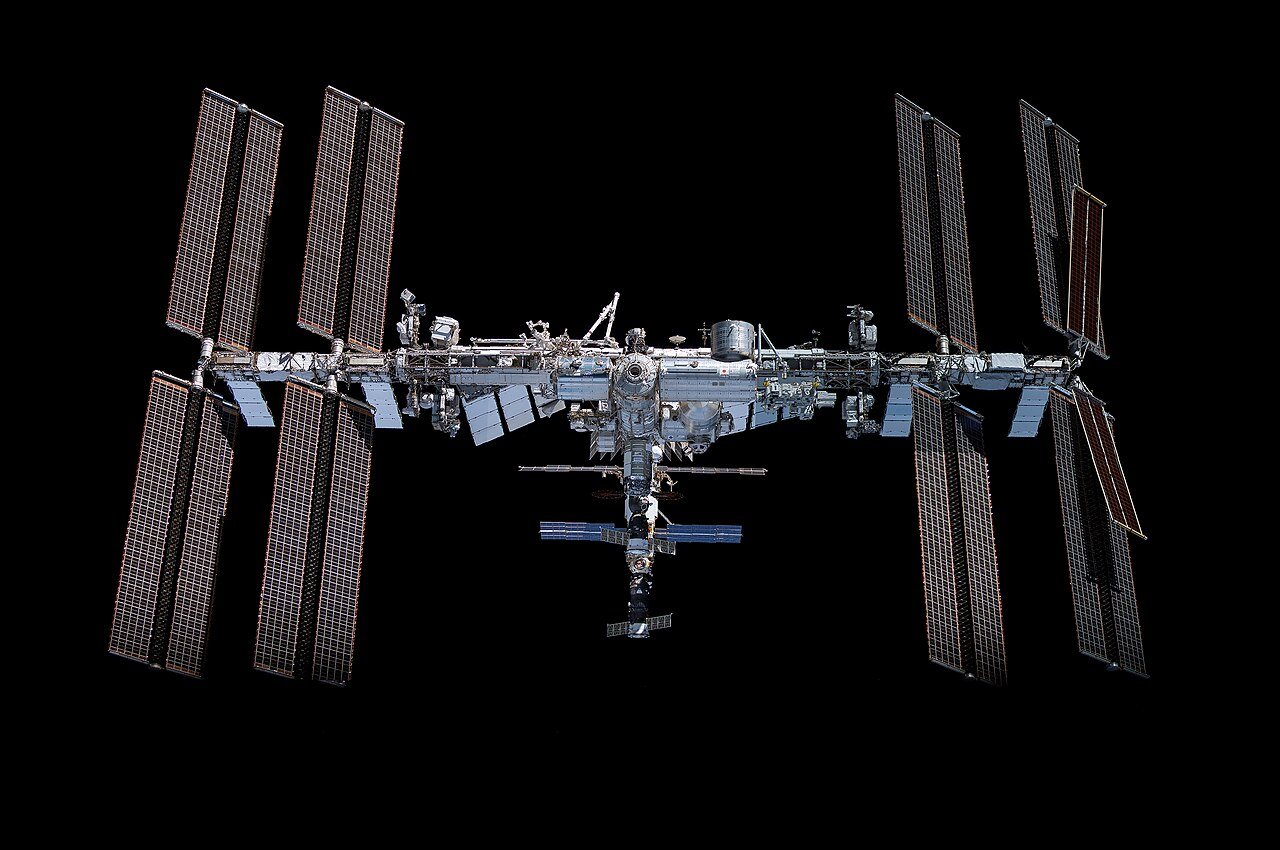
A new scientific mission is sending miniature human organs to the International Space Station to investigate why astronauts age faster in space, a question that has puzzled researchers since the earliest days of human spaceflight. The experiment, which involves tiny lab-grown versions of human tissues, is designed to pinpoint the biological mechanisms behind the accelerated aging observed in space travelers and to determine whether those changes can be slowed or reversed.
Astronauts who spend extended periods in orbit return to Earth with a range of symptoms that mirror the aging process: loss of bone density, muscle wasting, cardiovascular changes, immune system disruptions, and even shifts in gene expression. These effects appear to occur far more rapidly than they would on the ground, compressing years of typical aging into months. The microgravity environment, combined with increased radiation exposure and the psychological stress of isolation, is believed to play a role, but the precise causes have remained difficult to isolate in human subjects.
The mini organs, known as organoids, offer a new way to study these changes. Grown from human cells, they replicate key functions of real organs such as the heart, liver, or brain in a controlled, miniature format. By sending them to the ISS, researchers can observe how they respond to the space environment in real time, without the ethical and logistical challenges of conducting invasive studies on astronauts. The organoids are expected to reveal cellular and molecular changes that could explain the accelerated aging phenomenon.
Understanding why astronauts age faster is not only critical for the future of long-duration space missions, including planned journeys to Mars, but also holds potential for medicine on Earth. If scientists can identify the specific pathways that drive rapid aging in space, they may be able to develop interventions that slow aging in the general population or treat age-related diseases. The research could also inform countermeasures to protect astronauts on increasingly ambitious missions beyond low Earth orbit.
The experiment is part of a growing effort to use the ISS as a unique laboratory for human health research. As space agencies and private companies prepare for longer stays in space, the need to safeguard astronaut health has become more urgent. The mini organs represent a significant step toward understanding the biological toll of spaceflight and could ultimately help make extended space travel safer for the humans who undertake it.
12