Archaeologists working in northwestern Turkey have recovered charred figs from a cave in the Havran district that date to roughly 8,000 years ago, offering a rare glimpse into how early farming communities stored and used plant foods before the invention of pottery.
Derya Yalcikli of Canakkale Onsekiz Mart University said the figs were found concentrated in a single location inside Andik Cave, indicating they had been deliberately stored rather than simply discarded. The same level yielded barley and wheat, suggesting the cave served as a repository for a range of cultivated and gathered foods.
Andik Cave was first discovered in 1949, and decades of research have shown that the site was used for storage and ritual purposes across thousands of years. The newly reported fig deposit comes from phases that predate the use of pottery, a period when communities in the region were settling into more permanent ways of life and developing the agricultural practices that would reshape the ancient Near East.
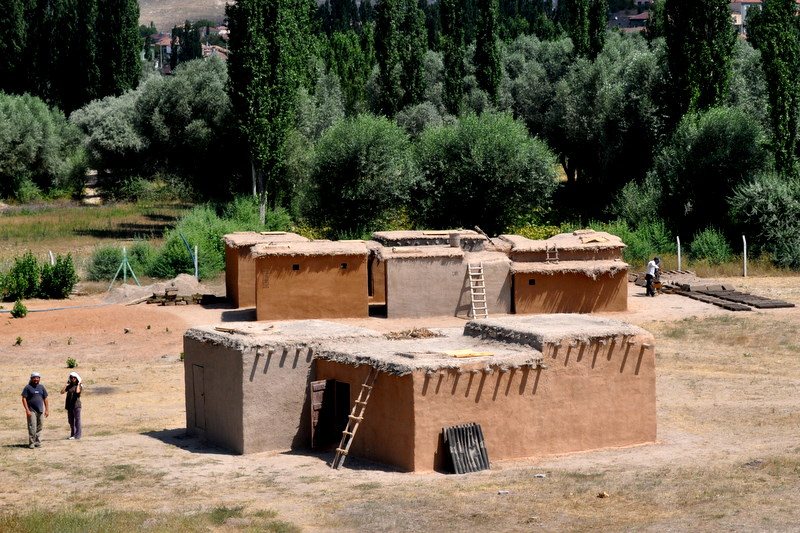
Yalcikli said the excavation team identified a floor arrangement inside the cave that resembles those constructed in houses. «We have identified inside the cave, in phases before pottery was used, a floor arrangement similar to those constructed in houses,» she said. The presence of such a structure deepens the picture of the cave as more than a simple larder, pointing to organized activity that echoed domestic life above ground.
The figs were charred, a condition that helped preserve them for millennia and allowed researchers to identify and date the remains. Their concentration in one spot within the pre-pottery level supports the interpretation that people intentionally gathered and stockpiled the fruit, possibly to dry and consume later. Figs are still an important crop in the region today, Yalcikli noted, a continuity that stretches from the Neolithic to the present.
The combination of figs, barley, and wheat in a single deposit adds to evidence about early diets and food management. Cereals such as barley and wheat are staples that can be stored for long periods, while figs provide a sweet, energy-rich food that can also be dried. Finding them together suggests that the cave's users were managing a varied supply of plant resources, not relying on a single crop.
Andik Cave's long history of use for storage and ritual makes it a valuable window into the transition from mobile hunting and gathering to settled farming. The pre-pottery phases are especially significant because they capture a time when communities were experimenting with architecture, food storage, and social practices that would become hallmarks of later Neolithic villages.
The discovery also highlights the role of caves in the Neolithic world. While much attention goes to open-air settlements, caves often preserve organic remains such as charred seeds and fruit that rarely survive in exposed sites. The Andik Cave figs join a small but growing body of evidence for fruit consumption and storage in early agricultural societies.
Researchers continue to study the site's layers to understand how the cave's functions changed over time. The floor arrangement and the stored foods together suggest that the boundary between domestic and ritual space may have been fluid, with the same location serving practical and symbolic needs.
For the communities that used Andik Cave, the fig harvest would have been a seasonal event tied to the rhythms of the landscape. Storing the fruit in a protected cave would have helped bridge lean seasons and may have played a role in gatherings or ceremonies. The new dating places that practice firmly in the Neolithic, thousands of years before the region's better-known ancient civilizations.
The findings add to the broader story of how humans in Anatolia and beyond learned to manage plants, store surplus, and build the foundations of settled life. As excavations at Andik Cave continue, each layer promises further detail about the daily choices of people who lived at the dawn of farming.